Veterans challenge arch planned near Arlington, say it would breach sacred sightlines
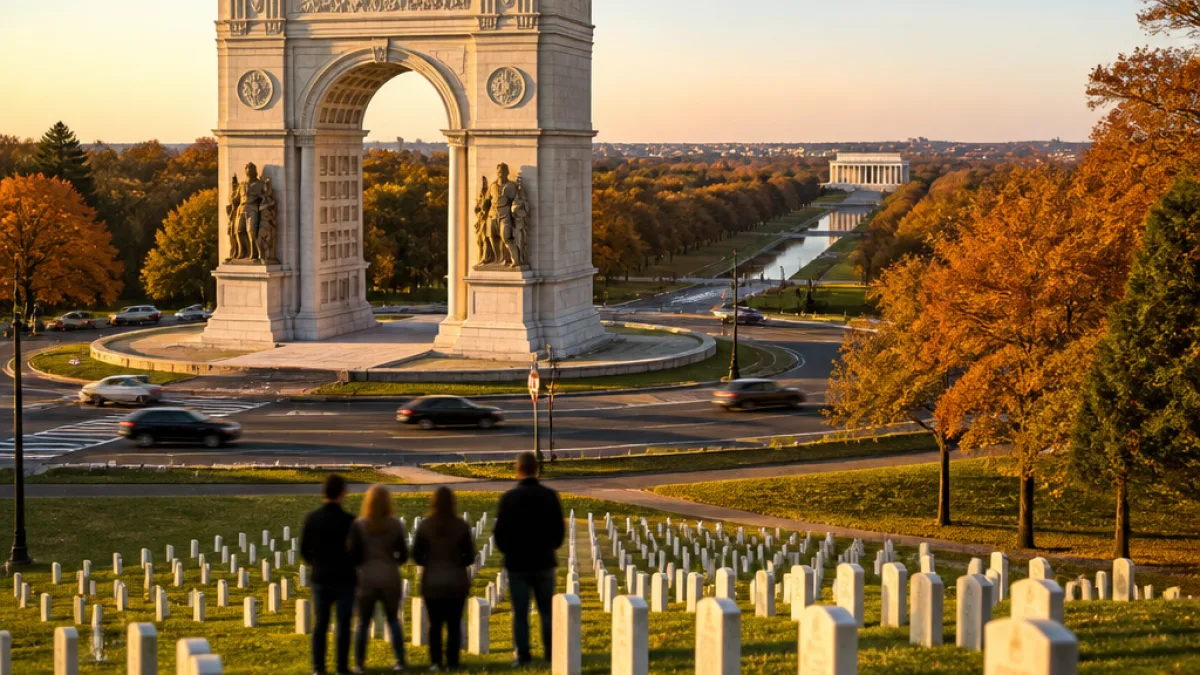
Three veterans have filed suit against the federal government over a proposal to build a 250-foot triumphal arch in the District's immediate vicinity — a structure that would sit at a traffic circle just across the Potomac River, near the entrance to Arlington National Cemetery. The lawsuit, driven in part by Vietnam veteran Shaun Byrnes, contends the monument would obstruct the historic visual connection between Arlington and the Lincoln Memorial.
Byrnes, one of the plaintiffs, said the proposed arch has prompted reconsideration among some families and veterans about being buried at Arlington. "
I'm entitled to be buried there, and so are my colleagues, but we're all reconsidering. It's gonna depend on whether this arch goes up,"he told reporters, calling the design "disrespectful." The complaint highlights the cemetery's role as a Civil War–era burial ground and the cultural importance of keeping sightlines that link it to memorials on the National Mall.
Part of a broader reshaping of federal grounds in Washington
The arch is not an isolated proposal. The administration has advanced a number of projects across the city it says will beautify the capital, including resurfacing the National Mall's reflecting pool, planning an overhaul of a public golf course along the Potomac, and proposing new commemorative gardens. Critics argue the cumulative effect alters both the historic landscape and public access.
- Arch height: 250 feet
- Arlington burials referenced: 400,000 veterans
- Location: traffic circle at the base of Arlington National Cemetery, across the Potomac
Advocates of the plan say the projects will make Washington "more beautiful," but opponents point to potential conflicts with preservation of viewsheds and the solemn character of nearby memorial sites. The lawsuit — one of multiple legal and public challenges already emerging — spotlights tensions between new federal initiatives and long-standing local and national preservation norms.
Local consequences and what to watch
For Washington residents, the dispute raises immediate questions about public space management and the stewardship of national memorials that draw millions of visitors. The litigation could affect timelines for construction, federal review processes, and how future projects near historic sites are evaluated. It also introduces a personal dimension: families and veterans weighing burial decisions at Arlington are now factoring in potential alterations to the cemetery's setting.
| Project | Reported detail |
|---|---|
| Triumphal arch | 250-foot proposed arch at traffic circle by Arlington |
| National Mall | Resurfacing of the reflecting pool |
| Potomac golf course | Plans to overhaul public golf course |
Legal filings and public hearings in the coming weeks will determine whether the arch advances. Preservationists, veterans' groups and neighborhood stakeholders in Washington are likely to press for rigorous environmental and historical reviews. For residents who visit the Mall, commute near the Potomac or have family interred at Arlington, the outcome will shape how familiar views and civic rituals endure.
The suit is indicative of a broader debate over how the capital should evolve and who gets to define what is appropriate on federally owned lands: elected officials and administrations seeking visible legacy projects, or preservation advocates who prioritize continuity of the capital's historic landscape. As the case progresses, Washingtonians will be watching both court dockets and planning decisions that will determine whether the proposed arch becomes a new feature of the city's skyline or a contested idea that is set aside.