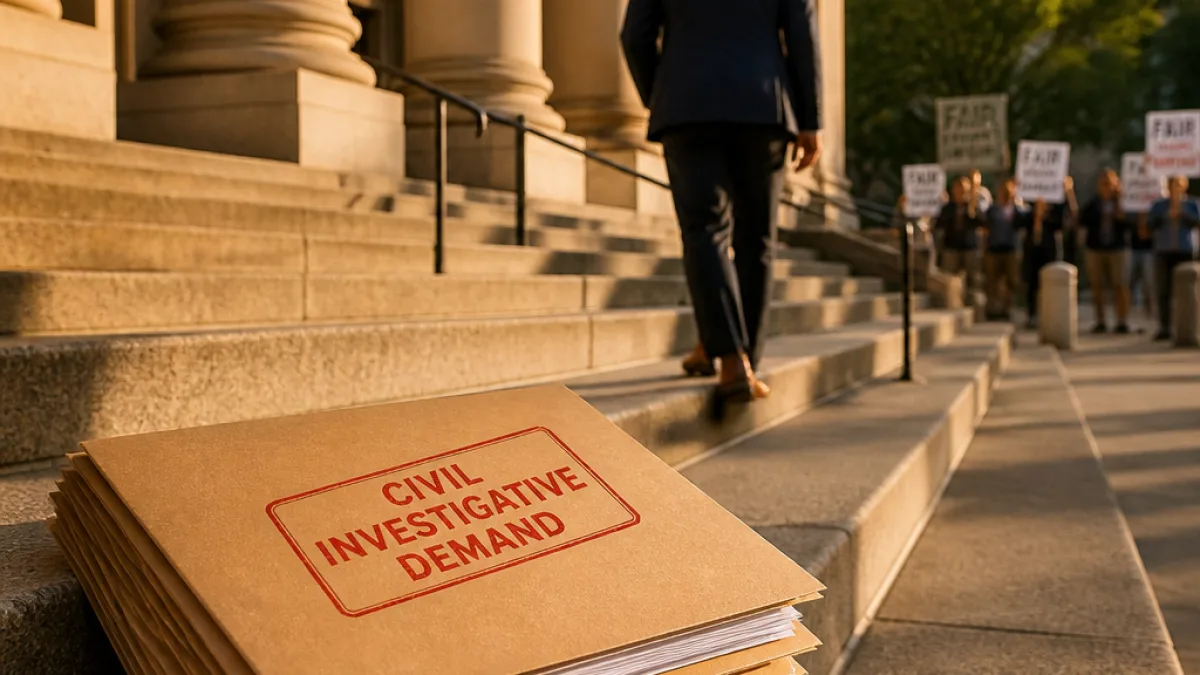
Oregon Attorney General Dan Rayfield has withdrawn a civil investigative demand and a motion asking a Multnomah County circuit judge to force Paramount to hand over records tied to its proposed acquisition of Warner Bros. Discovery, and to pause the transaction for 60 days while the documents were reviewed.
What happened
The demand sought correspondence and materials about Paramount’s lobbying of federal officials and its role in a Department of Justice statement reportedly supportive of the merger. Rayfield had also filed for a court order to delay the anticipated closing of the deal so the state could examine those records.
"Paramount made it clear that they weren’t going to comply with the investigative demand, and that they think they’re above the law. We’re not going to let them waste Oregonians’ resources on these games. We’ve withdrawn the motion to consider our next steps."
That statement was supplied by Jenny Hansson, communications director for the attorney general. Paramount’s public response called the withdrawal a welcome move and reiterated a defense of the transaction.
"We are pleased that the Oregon Attorney General has withdrawn its motion to delay this transaction. It was the right decision and avoids an unwarranted effort to delay a lawful, pro-competitive merger."
Broader context
The deal has attracted scrutiny from antitrust authorities globally and attention from other state attorneys general. California’s attorney general and other states are reported to be considering legal challenges, signaling that Oregon’s pullback does not end regulatory oversight at the state level.
- Action withdrawn: Rayfield dropped the civil investigative demand and the delay request.
- Reason given: Paramount refused to comply with the investigative demand, according to Rayfield’s office.
- Ongoing scrutiny: Other state attorneys general are reported to be reviewing or considering challenges to the merger.
Local and statewide implications
For Oregon, the move underscores how state attorneys general are engaging with large media mergers and the limits of their enforcement tools when parties resist information requests. The case also illustrates coordination — and in some cases disagreement — among states as they weigh the potential impact of corporate consolidations on competition, jobs and consumers.
| Item | Current status |
|---|---|
| Civil investigative demand (Paramount records) | Withdrawn by Oregon AG |
| Request to delay merger closing | Withdrawn |
| Multistate activity | Other AGs considering challenges |
A hearing had been scheduled in Multnomah County Circuit Court on Monday before Rayfield withdrew the motion. Rayfield’s office said it will evaluate next steps following Paramount’s refusal to hand over the requested materials.
The public back-and-forth reflects competing priorities: state officials pressing for transparency about lobbying and regulatory tactics, while a major media company argues the merger is lawful, pro-competitive and broadly cleared by regulators abroad.
As the corporate deal moves forward elsewhere, Oregon’s withdrawal narrows the immediate legal confrontation here but leaves open the prospect of further state-level actions. For now, Portland’s courtroom calendar will pause on this front while the broader review by other states and federal authorities continues.