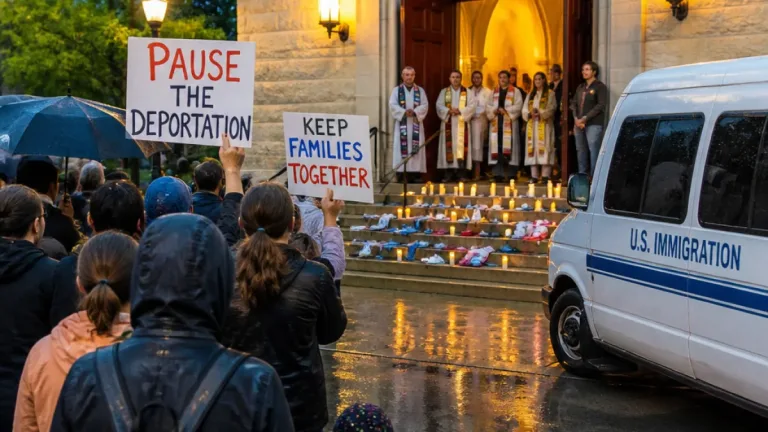
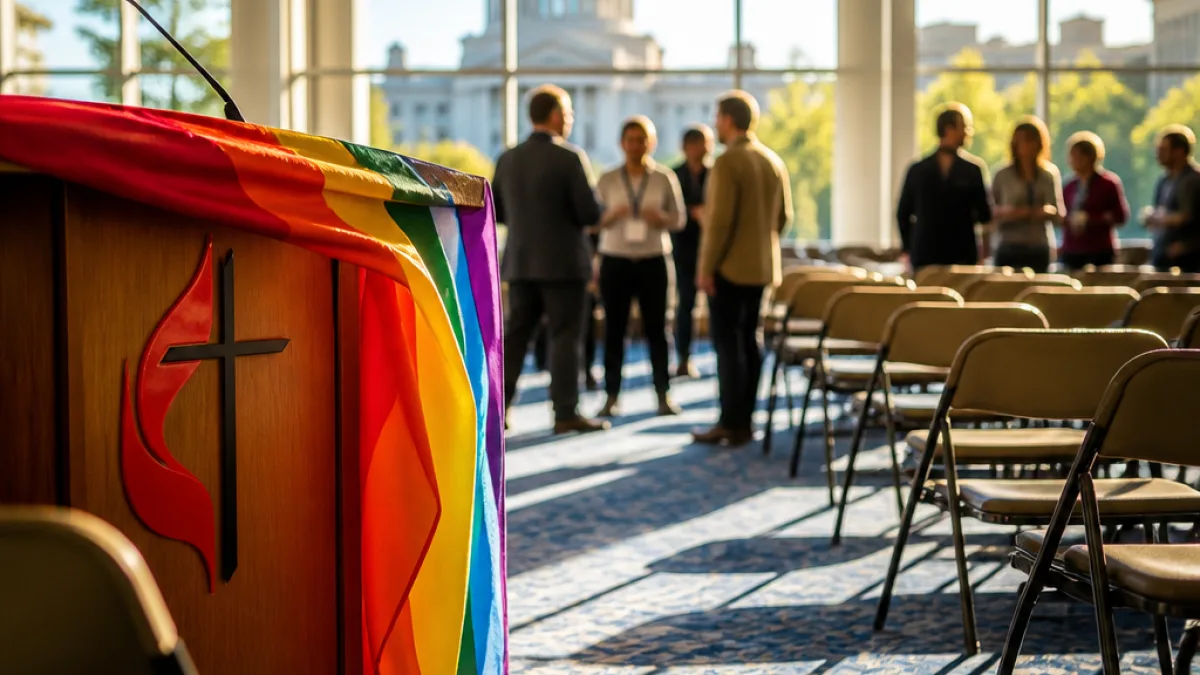
The Oregon-Idaho Conference of the United Methodist Church has voted to relocate next year’s annual gathering out of Idaho, citing concerns about the safety and well-being of LGBTQ+ and immigrant members if the event remained in the state.
Decision driven by legislative climate and a reported incident
The motion to change the 2027 site was introduced by the Rev. Heather Riggs of Montavilla United Methodist in Portland. Delegates — both clergy and lay members — debated the proposal during this year’s meeting, where public comment stretched across dozens of participants who argued for and against keeping the event in Idaho.
Supporters of the move pointed to recent Idaho legislative activity affecting marginalized groups. The ACLU of Idaho documented that in 2026 lawmakers introduced 11 anti-LGBTQ+ bills, with about half aimed specifically at transgender people. That legislative backdrop framed delegates’ concerns about whether Idaho would be a safe place for all attendees.
Delegates also pointed to a specific, reported incident that crystallized those worries: a nonbinary clergy member from Oregon experienced what was described as a microaggression while accompanying their spouse to a Boise hospital. That episode was cited during public comment as an example of how daily interactions in the state could be hostile for queer and trans visitors.
What the vote means and next steps
The final vote was close. Delegates decided the conference should either be moved to Oregon or, failing that, be held virtually. Organizers have not yet announced a new host site or dates.
The decision reflects a broader trend among institutions reconsidering meeting locations because of state law changes or perceived safety risks for marginalized communities. For the Oregon-Idaho Conference, the choice emphasizes attendee safety over tradition and convenience.
- Reason given: Safety concerns for LGBTQ+ and immigrant communities.
- Legislative context: ACLU of Idaho noted 11 anti-LGBTQ+ bills introduced in 2026; roughly half targeted transgender people.
- Triggering incident: Reported microaggression against a nonbinary clergy member at a Boise hospital.
| Item | Detail |
|---|---|
| Anti-LGBTQ+ bills in Idaho (2026) | 11 |
| Portion aimed at transgender people | About half |
The vote underscored the tension many faith communities now face as state policy and public sentiment shift around sexual orientation and gender identity. Delegates who supported remaining in Idaho argued for engagement and bridge-building; those in favor of relocation said the conference must prioritize the safety of vulnerable members.
Organizers will announce whether the 2027 gathering will be scheduled in Oregon or held online. For clergy and lay leaders who travel between the two states, the outcome will determine whether the conference returns to its long-standing practice of alternating in-person gatherings in the region or adopts a more cautious approach to venue selection in coming years.
As statehouses across the West debate policies affecting LGBTQ+ and immigrant communities, religious groups and other organizations are increasingly weighing venue decisions against the practical question of attendee safety. The Oregon-Idaho Conference’s move is one of the latest examples of that calculation playing out locally.