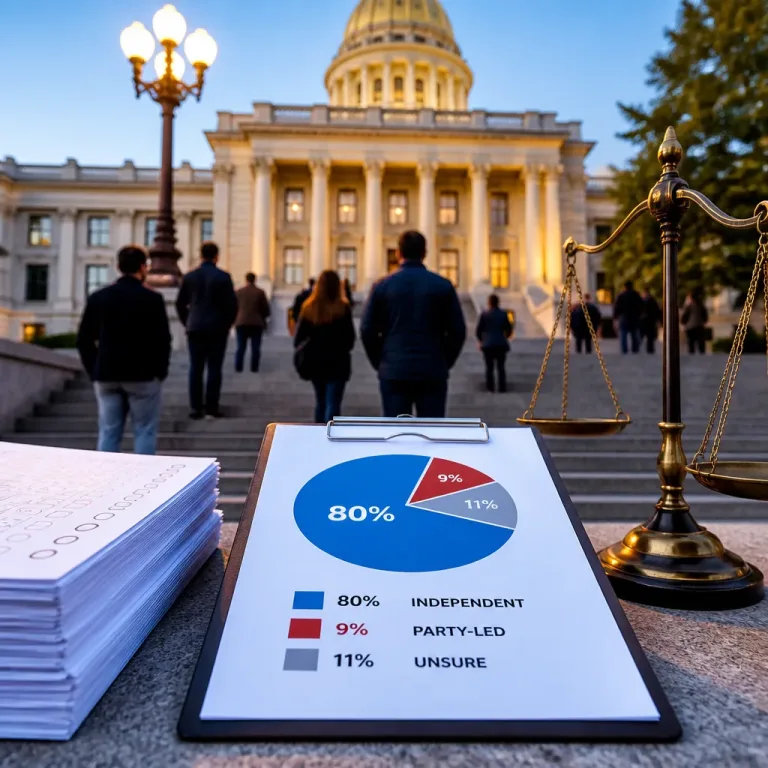

The retreat of aggressive federal antitrust scrutiny has nudged Oregon and other states into a more assertive role policing competition, legal experts and state officials say. That shift could bring more state-led challenges to mergers and potential impacts on how businesses operate and consumers pay for goods and services.
State action fills a federal void
National authorities that once pursued large-scale antitrust cases have eased enforcement in recent years, and that change is prompting state attorneys general to consider stepping up. Oregon’s office is among those watching developments closely, the commentary said, and could join multi-state efforts to block or reshape major corporate deals.
Antitrust laws exist to preserve competitive markets, the piece notes — encouraging efficient business practices, lower prices and better quality for consumers. Those laws have a long history in the U.S., dating back to the Sherman Act of 1890, and states have long had their own statutes and enforcement powers alongside federal agencies.
What state-led enforcement looks like
In recent years, attorneys general across the country have increasingly coordinated on large cases. The commentary points to examples where multiple states have combined forces to oppose mergers or to pursue litigation against dominant firms. Oregon has participated in these coalitions before and may do so again as federal regulators scale back.
- State statutes can mirror or supplement federal law, allowing states to pursue cases even when federal agencies do not.
- Coalitions of attorneys general provide greater resources and legal leverage in complex cases.
- Consumer impact is a central concern: state actions can influence prices, market access and business conduct locally.
While federal agencies still play a major role, the commentary underscores that state-level enforcement is a viable backstop. The Federal Trade Commission itself notes the importance of state efforts in competition matters.
“Most states have antitrust laws that are enforced by state attorneys general or private plaintiffs. Many of these statutes are based on the federal antitrust laws.”
Why this matters to Oregonians
For residents, stronger state enforcement could mean closer review of mergers that affect local media, healthcare providers, utilities and other industries with regional footprints. It could also translate into more lawsuits and longer timelines for major deals that would change local business landscapes.
| Stakeholder | Potential effect |
|---|---|
| Consumers | Possible protections against price hikes and reduced choices |
| Businesses | Greater scrutiny of mergers; longer approval processes |
| State government | Increased legal workload; need for interagency coordination |
Oregon’s move toward more active antitrust enforcement fits a broader national pattern: when federal priorities shift, states often fill gaps to protect local markets. How aggressively Oregon proceeds will depend on decisions by the attorney general’s office and on coordination with other states considering similar actions.
As these developments unfold, businesses operating in Oregon may encounter heightened regulatory attention, and consumers could see the effects in market competition and pricing. Observers say the trend toward state-led antitrust interventions is likely to continue so long as federal enforcement remains restrained.