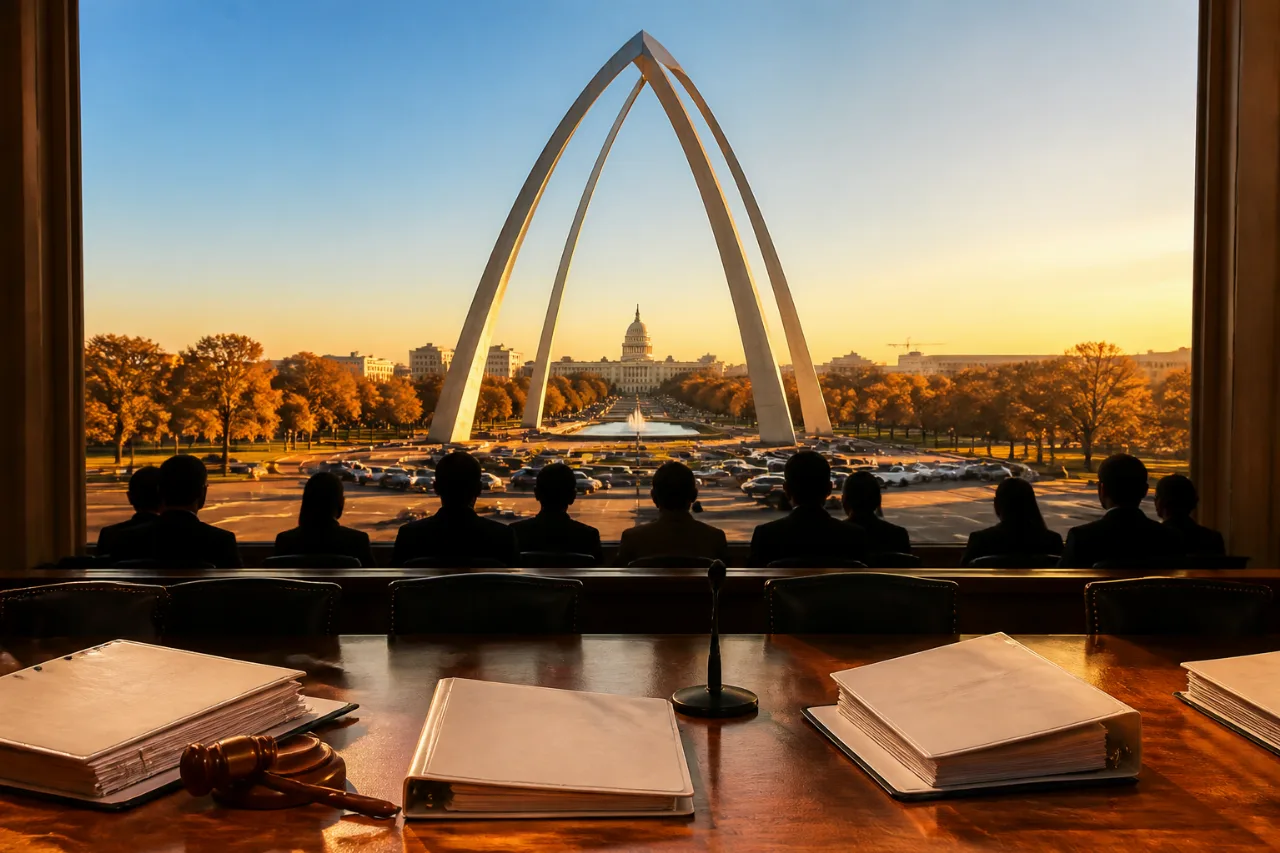
WASHINGTON — The National Capital Planning Commission on July 9 voted to clear a site plan for a proposed 250‑foot triumphal arch at Memorial Circle through preliminary review, while postponing a definitive determination on whether the 1910 Height of Buildings Act applies to federal property.
The action, taken by a commission composed largely of presidential appointees, follows revisions to the executive director’s report at the meeting. The report initially stated that the 1910 law, which generally limits building heights in the District to 130 feet, would govern the project. The commission’s chair, Will Scharf — who also serves as White House staff secretary — successfully moved to remove those passages and to note that the panel would consider the statute’s application to federal projects at its next session in September.
What commissioners and staff said
Commission staff and the agency’s general counsel, Meghan Hottel‑Cox, had prepared material underscoring the commission’s long‑standing position that the Height of Buildings Act has bound federal projects in the District for decades. In a memo included with the report, Hottel‑Cox warned that reversing that position could carry significant impacts on the city’s planning framework.
“If the [act] no longer applies to federal property in the District, it could fundamentally reshape the city’s architectural fabric, the balance of local vs. federal authority, and the visual character of the nation’s capital,” the memo said.
Speakers from the public at the meeting raised parallel concerns, including preservation groups who pointed to the act’s role in maintaining a low, horizontal skyline that emphasizes monuments and the U.S. Capitol.
Why this matters to Washington residents
The commission’s preliminary approval moves the proposal forward in the review process but leaves unresolved the key legal and planning question: whether federal projects must adhere to the citywide height limit. That question carries immediate and longer‑term consequences for the look and regulatory governance of the capital.
- Project height: 250 feet proposed for the arch at Memorial Circle.
- Existing cap: 130 feet under the 1910 Height of Buildings Act.
- Next steps: NCPC will revisit the statutory question during its September meeting.
Context and possible consequences
Staff lawyers noted the commission’s decades‑long approach treating the Height of Buildings Act as a limiting principle for federal development in the District. If the commission abandons that interpretation, it could alter planning precedent that has helped preserve the capital’s horizontal skyline for more than a century. Opponents warn such a change would affect historic sight lines and the relationship between federal and local planning authority.
| Item | Height |
|---|---|
| Proposed arch | 250 ft |
| Height of Buildings Act cap | 130 ft |
The NCPC’s action was narrowly procedural: it cleared the site plan through preliminary review while stripping language that tied the project explicitly to the 1910 law. That procedural move sets the stage for a substantive debate in September about how federal projects are regulated in the District. Residents, preservationists and city planners will be watching the commission’s next session for whether it affirms the long‑standing interpretation or signals a new approach to the capital’s skyline.
As the process unfolds, local stakeholders may seek opportunities to weigh in with the commission, particularly given the potential to reshape urban design principles that have guided Washington’s development for generations.