Hawaii’s postcard landscapes mask a harsh economic reality: most household goods arrive by sea across more than 2,000 miles, and that cost shows up at the checkout. During a recent visit, travelers and workers alike encountered sharply higher prices for staples that mainland shoppers take for granted.
Supply chain and daily life
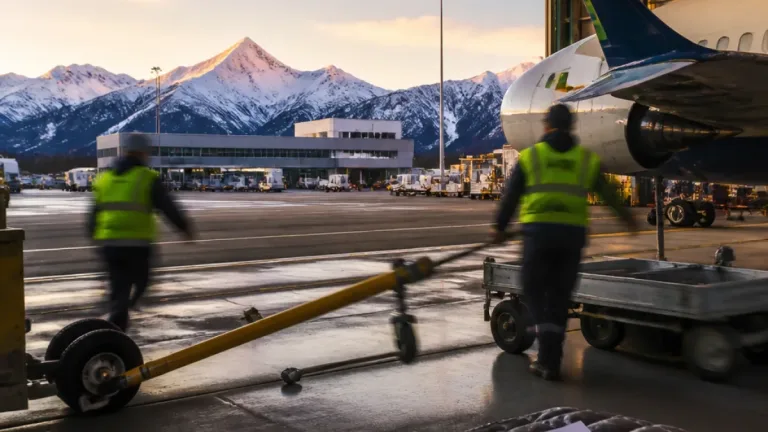
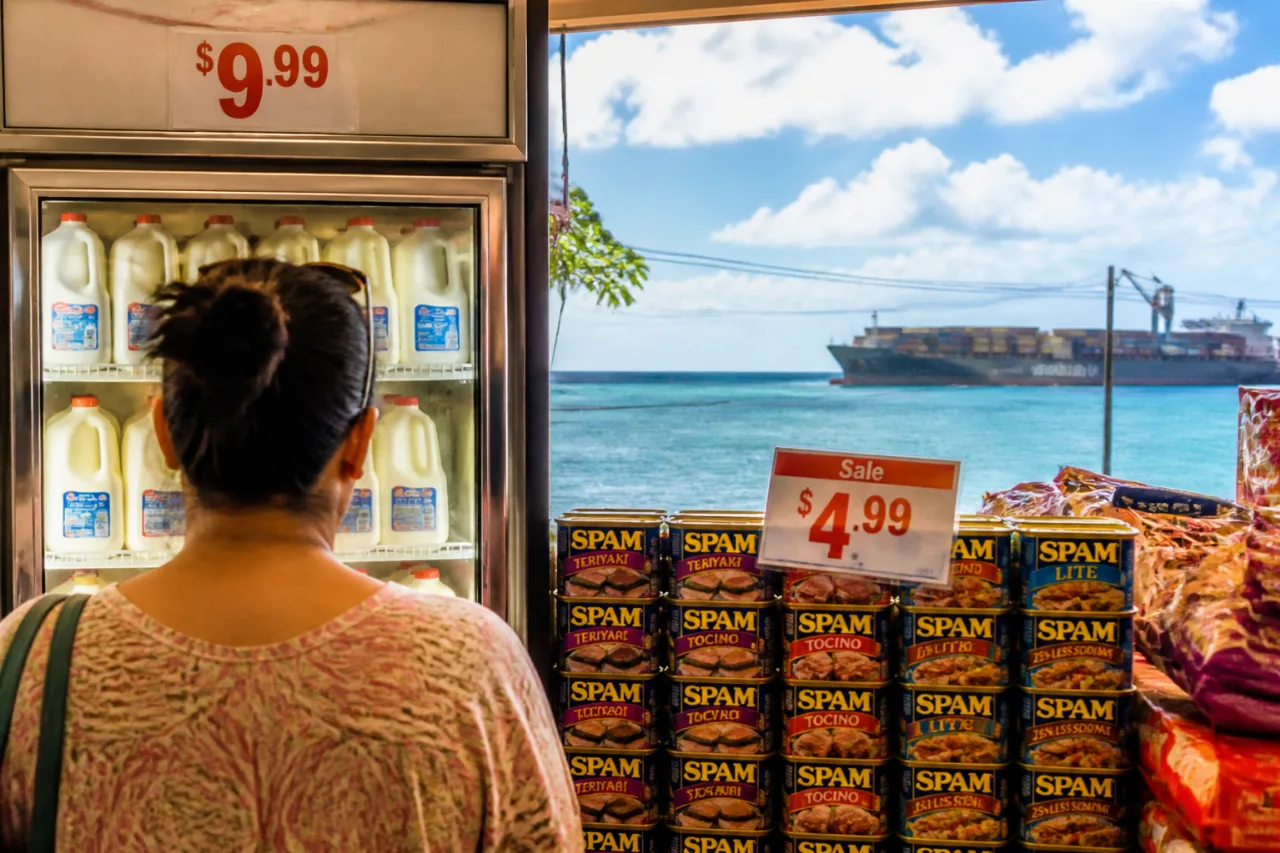
Local stores reflect a supply system that depends on long-distance transport. That reliance helps explain why an estimated 90% of items such as vehicles, clothing, food and construction materials must be shipped from western ports and why consumers see inflated retail prices.
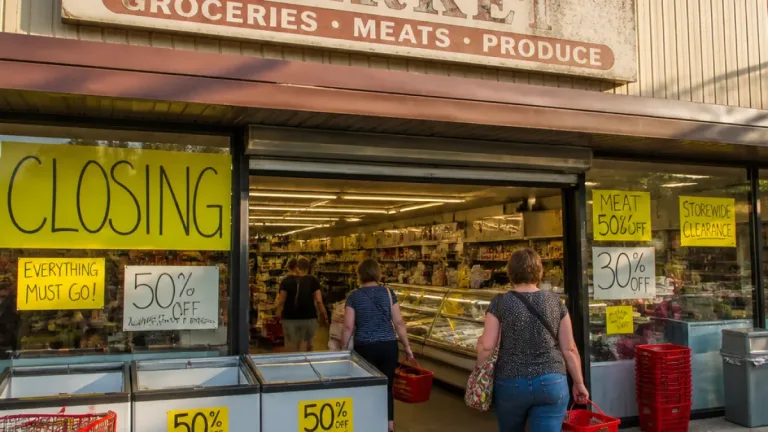
Examples observed in neighborhood markets during the visit included:
- Milk: roughly $10 per gallon
- Gasoline: about $5.93 per gallon
- Spam (canned): near $5 at sale pricing
| Item | Observed price |
|---|---|
| Milk (gallon) | $10.00 |
| Gasoline (per gallon) | $5.93 |
| Spam (canned, sale) | ~$5.00 |
Those figures illustrate why island residents sometimes liken living here to paying a premium for paradise. Shoppers acknowledged the prices with resigned shrugs more than public complaints, indicating a degree of acceptance among many who view the higher cost as part of everyday life.
People and choices
For workers without the flexibility to relocate, the higher cost of living is a persistent burden. On staff at a condo and cottage resort, one employee stood out as a portrait of those trapped by circumstance: a single mother and grandmother who relies on local employment and has no immediate plans to move to the mainland. Her situation underscores the choices many face — balancing family ties, employment and the practicalities of paying for basic needs.
Observers noted that visible lifestyles — cars, clothing and leisure activities — suggested many residents continue to maintain discretionary spending despite price pressures. Still, for households closer to the economic edge, elevated grocery, fuel and construction costs create difficult trade-offs.
What this means for counties and state policy
Hawaii’s dependence on shipped goods has implications for county officials and state leaders. Transportation costs affect retail pricing, housing construction expenses and the broader inflation picture within the islands. Long-term solutions commonly discussed by policy experts elsewhere — such as improving local production, streamlining port logistics or subsidizing key essentials — would require coordinated planning and funding at the county and state level.
For now, the immediate effect is clear: families, workers and small businesses must navigate daily life where staples cost significantly more than on the mainland, while visitors continue to encounter the state’s natural beauty that draws millions each year.
Reporting from the islands, this account aims to show how visible prosperity and everyday hardship coexist across communities that share the same shorelines.