State facility resumes on-site services after budget-driven closure
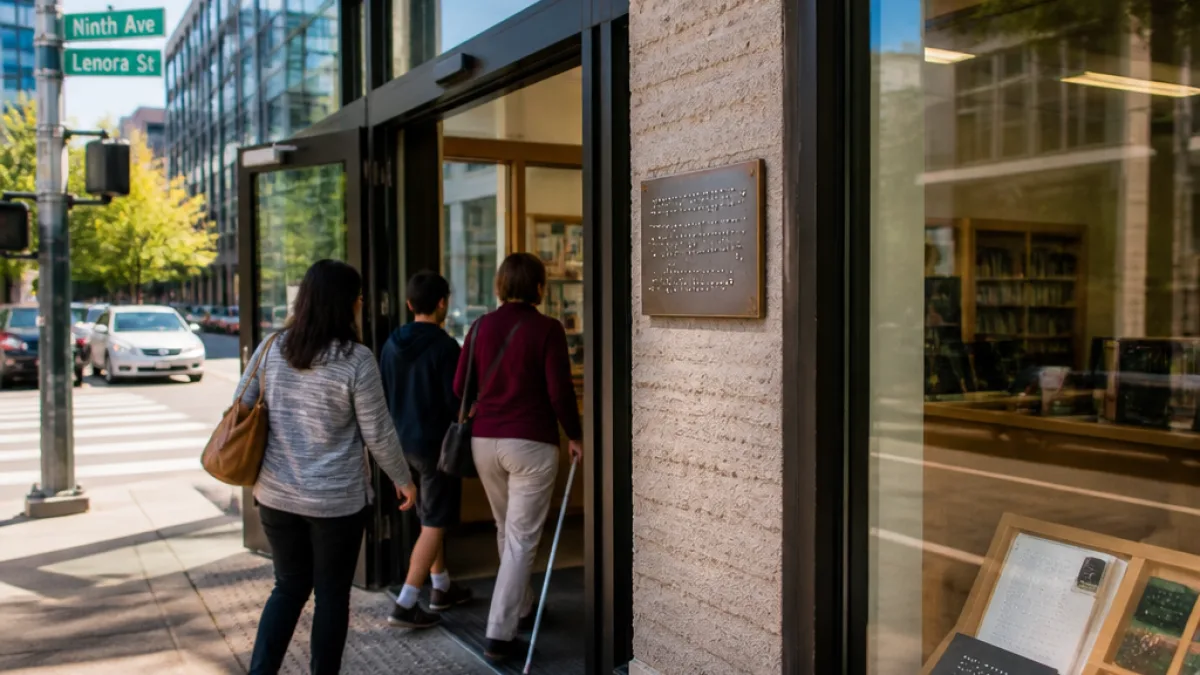
The Washington State Talking Book & Braille Library has reopened its doors for walk-in service at its South Lake Union location, nearly a year after the facility suspended in-person operations because of state budget cuts. The library, situated on the corner of Ninth Avenue and Lenora Street, serves about 7,800 patrons a year with audiobooks, braille books and braille e-readers.
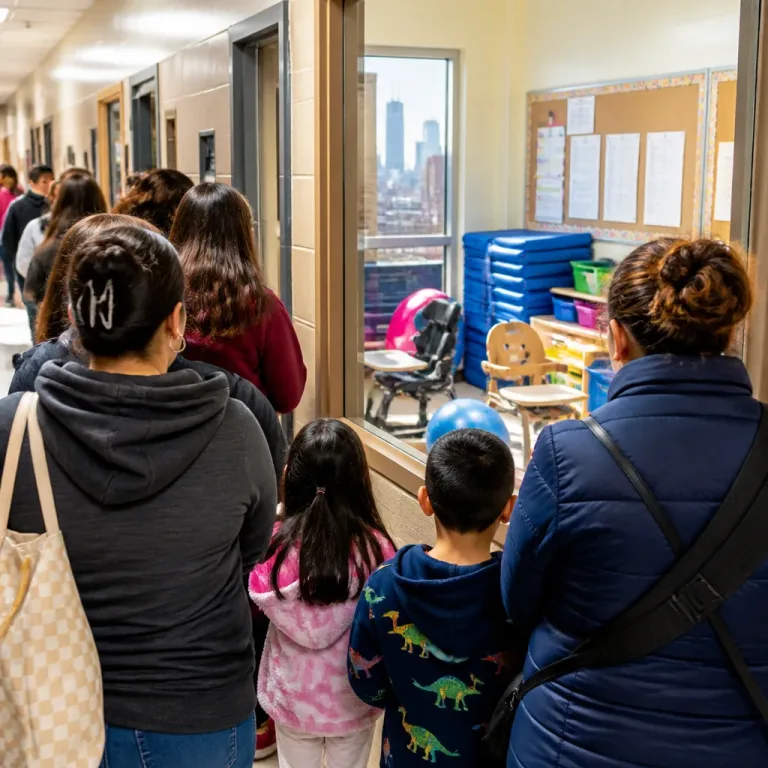
Advocates and library officials said the restoration of an on-site presence matters for more than borrowing materials: it brings back regular programming and accessible spaces that support early literacy and community connection. Among services resuming are "multisensory storytime" and distribution of early literacy kits aimed at young children who are blind or have other reading disabilities.
“The summer reading program and the storytimes: They make a huge difference,”
said Marci Carpenter, president of the National Federation of the Blind of Washington, noting that the library helped her learn to read as a child.
How funding disruptions closed the doors — and what changed
State support for the library is tied in part to fees from real estate transactions. A drop in those fees last year resulted in a budget shortfall that forced the library to close its physical space, lay off employees and reduce services to a voicemail-only model, according to Danielle Miller, the library's director. The facility was able to reopen when changes in the real estate market — including a decline in interest rates that spurred transactions — restored some of the fee revenue that helps fund the program, Washington State Deputy Secretary of State Randy Bolerjack said.
- Location: South Lake Union, corner of Ninth Avenue and Lenora Street
- Annual users: about 7,800
- Services resuming: walk-in lending, multisensory storytime, early literacy kits
Longstanding service with deep roots in Seattle
The facility traces its origins to braille services introduced by the Seattle Public Library in 1906. The program expanded in 1967 to assist others unable to read because of disability. Washington state began funding the program in 1975, with the city operating it under contract; the state took direct operation in 2008. Those dates underscore the library's long history as an accessible public resource for local residents.
| Year | Event |
|---|---|
| 1906 | Seattle Public Library introduces braille services |
| 1967 | Program expands to help more people with reading disabilities |
| 1975 | Washington state begins funding the program |
| 2008 | State begins directly operating the facility |
Disability advocates emphasized the practical and social impact of in-person services. Beyond providing materials for school and everyday reading, the library's programs create opportunities for children and adults to develop a sustained relationship with reading and learning in an environment tailored to their needs. Carpenter said while braille books can be obtained through schools, the library’s offerings and programs help "cultivate a real love of reading."
The library's reopening restores access for patrons who rely on tactile and audio formats and renews a community space in South Lake Union where families, students and individuals with disabilities can gather, learn and borrow materials in person. State officials and library staff said they hope to stabilize funding going forward, though the recent closure highlighted how closely the library's future is tied to swings in real estate fee revenue.
City and statewide partners will be watching usage and needs in the coming months as the library ramps back up, with the goal of making sure accessible services are reliably available to the tens of thousands of people across Washington who depend on talking books and braille resources.