When Oregon lawmakers set some of the nation’s first rules for public drone use in 2013, the devices were entirely absent from state and local operations. Thirteen years later, drones have become a routine tool for public safety, wildfire mitigation and infrastructure work across the state.
From prohibition to routine tool
The 2013 legislation prohibited armed drones and tightly restricted law enforcement surveillance — generally requiring a search warrant or a life-threatening emergency before officers could deploy an unmanned aircraft. In 2016 the Oregon Department of Aviation was tasked with maintaining a registry of public agency drones; that database now shows 1,172 drones registered and 690 remaining active.
Most of those entries come from cities and counties; state agencies account for roughly one-third of the total. Among state agencies, the Oregon State Police have the largest fleet, with 66 drones listed in the aviation department’s system as of late June.
How agencies use them
State police pilots say drones save time at crash scenes and can reduce the risk of secondary collisions by getting roadways cleared faster. They also provide a vantage point for special operations and help officers assess potential threats during standoffs.
“Every minute that we can save in documenting a scene and getting those roadways open, we save ourselves the probability that those secondary crashes occur,”
Sgt. William Bush, Oregon State Police’s first drone pilot in 2016, said drones have also helped in pursuits by revealing gaps in perimeters and by allowing crews to assess whether a suspect is armed without approaching on foot. The agency reported 660 flights so far this year as of early July.
Policy debates and limits
State lawmakers have continued to wrestle with how far public agencies should be allowed to go. A 2025 effort to expand law enforcement’s ability to use drones in broader emergencies without warrants failed in committee. The proposal’s defeat underscored continuing concerns among privacy advocates and some legislators over warrantless surveillance.
That tension — between operational benefits and civil-liberties protections — has shaped how cities, counties and state departments have integrated drone programs. The registry requirement gives state officials an inventory to track public use, while the statutory limits aim to prevent mission creep into routine surveillance without judicial oversight.
Where drones are being used beyond policing
Public agencies report using unmanned aircraft for a range of non-law-enforcement tasks as well, including:
- Search-and-rescue operations in rugged terrain;
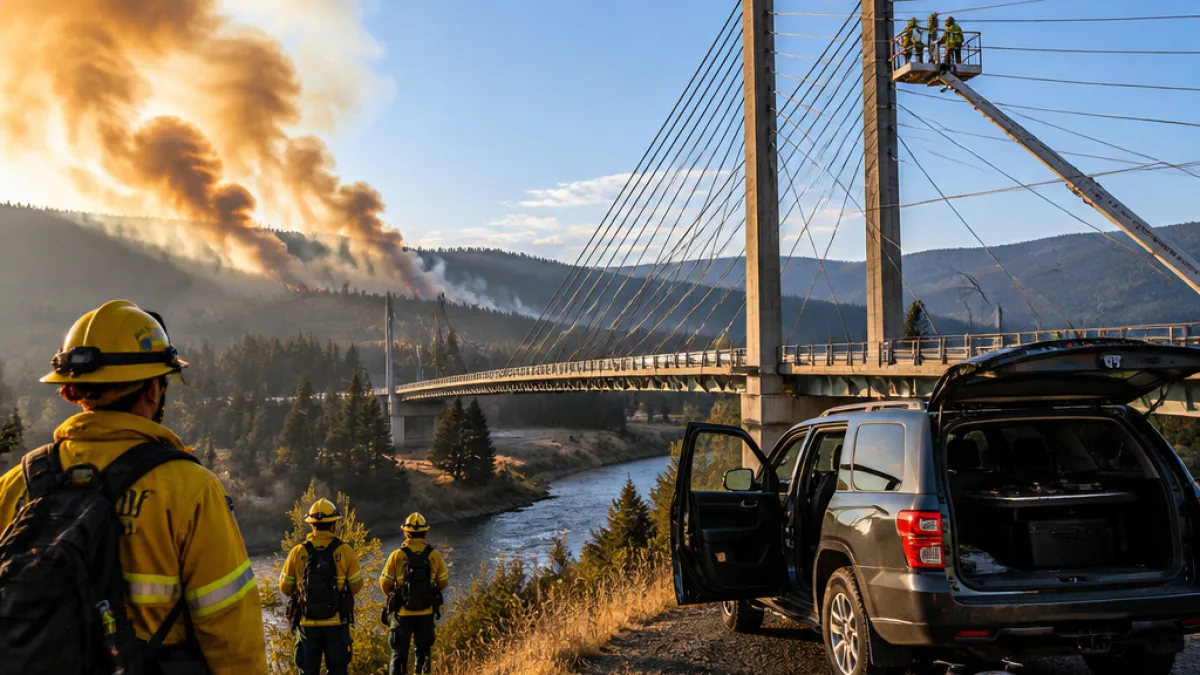
- Wildfire detection, mapping and mitigation support;
- Inspections of bridges, roads and other infrastructure after storms or damage;
- Documenting crash scenes for evidence and traffic-management purposes.
| Metric | Number |
|---|---|
| Registered public drones (total) | 1,172 |
| Active drones | 690 |
| Oregon State Police drones | 66 |
| Oregon State Police flights (year to early July) | 660 |
For local governments and agencies, drones offer cost-effective ways to survey damage after storms, monitor wildland-urban interface areas when wildfire risk is high, and document infrastructure needs without putting personnel in harm’s way. But the privacy questions and legal boundaries continue to shape training, deployment policies and transparency measures.
As Oregon’s public drone fleet grows, so do questions about oversight, data retention and the circumstances that should require judicial review. The state’s 2013 framework and the aviation department’s registry have provided a structure for measured adoption; how legislators, agencies and communities resolve the remaining policy debates will determine how those aircraft are used in the years ahead.