Statewide outbreak growing
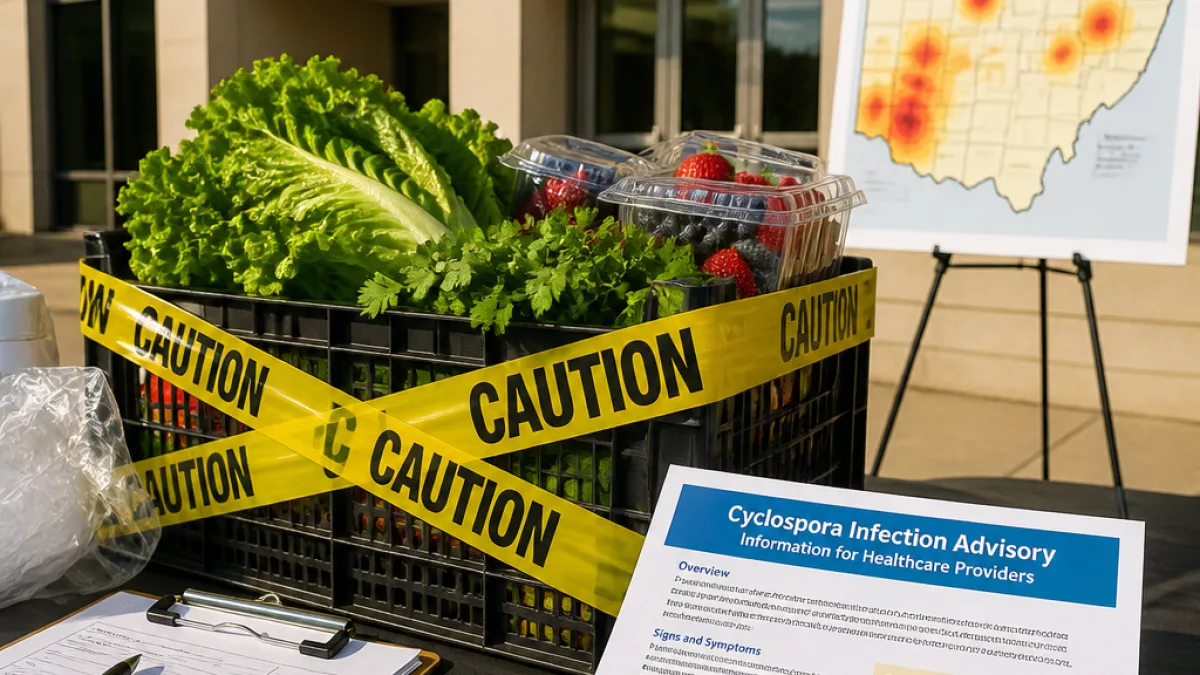
CLEVELAND — Ohio health officials are reporting a significant uptick in cyclosporiasis this season, with the Ohio Department of Health documenting nearly 400 cases so far. That places Ohio second in the nation for reported infections, behind Michigan, as investigators work to identify the contaminated food item or products responsible.
Symptoms, testing and treatment
Cyclospora is an intestinal illness caused by the microscopic parasite Cyclospora, most commonly transmitted through contaminated fresh produce. Symptoms usually begin about a week after exposure and often include:
- Watery diarrhea
- Abdominal cramping and bloating
- Loss of appetite, fatigue and nausea
State and hospital infectious disease specialists emphasize that many patients require antibiotics to fully clear the infection. As one pediatric infectious disease physician noted, without appropriate treatment people may not completely eliminate the parasite and can experience prolonged or relapsing symptoms.
“It can be really disruptive to your life if you don’t get the proper testing and treatment,” said Dr. Amy Edwards, a Pediatric Infectious Disease Specialist at University Hospitals Rainbow Babies & Children’s Hospital.
Where cases have been reported
Health officials say confirmed Ohio cases include several counties and numbers are expected to change as investigations continue.
| County | Confirmed cases |
|---|---|
| Cuyahoga | 11 |
| Lake | 6 |
| Lorain | 8 |
| Summit | 5 |
| Stark | 17 |
Investigation and public advice
Public health teams in Ohio are investigating suspected food sources but have not confirmed any particular product as the cause. Media and public speculation has focused on lettuce, but officials say that has not been verified.
Officials advise residents who develop persistent watery diarrhea or related symptoms to seek medical care and request testing for Cyclospora when appropriate. Early diagnosis allows clinicians to prescribe the recommended antibiotic treatment that is most effective in clearing the infection.
Regional context and what to watch
Between Ohio and neighboring Michigan, public health authorities have identified more than 3,000 cases this season, underscoring a broader regional outbreak. As the situation evolves, county health departments will update case counts and guidance. Residents should monitor advisories from the Ohio Department of Health and their local health departments for information about suspected food items, recalls or additional prevention steps.
For now, clinicians and public health officials stress timely testing and treatment to reduce complications and interrupt ongoing transmission.