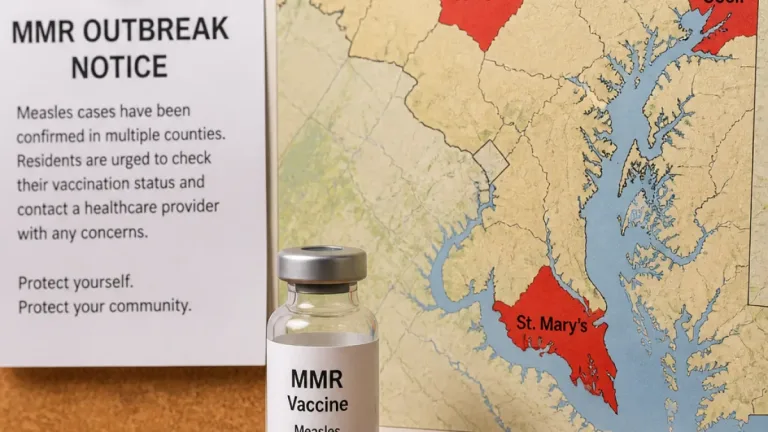
State health officials and clinicians are warning residents to be alert after an uptick in measles activity in Pennsylvania against the backdrop of a nationwide resurgence. Health experts say vaccination is the primary defense, particularly for young children and people who have not completed the recommended two-dose series of the MMR vaccine.
Why the alert matters
Measles is a highly contagious viral illness that can lead to serious complications, including pneumonia and encephalitis, particularly in infants and people with weakened immune systems. Local doctors are advising parents and caregivers to review immunization records and to contact their primary care provider or local health department if they or their children may have been exposed.
"Parents should get their children vaccinated against measles," said Robert F. Kennedy Jr. in a recent interview discussing the national rise in cases.
Nationally, U.S. measles cases have risen to levels not seen in decades, a development public-health officials say increases the risk of localized outbreaks when pockets of under-vaccinated people exist. Pennsylvania health departments are monitoring cases and working with clinicians to identify exposures and provide guidance.
What parents and residents should know
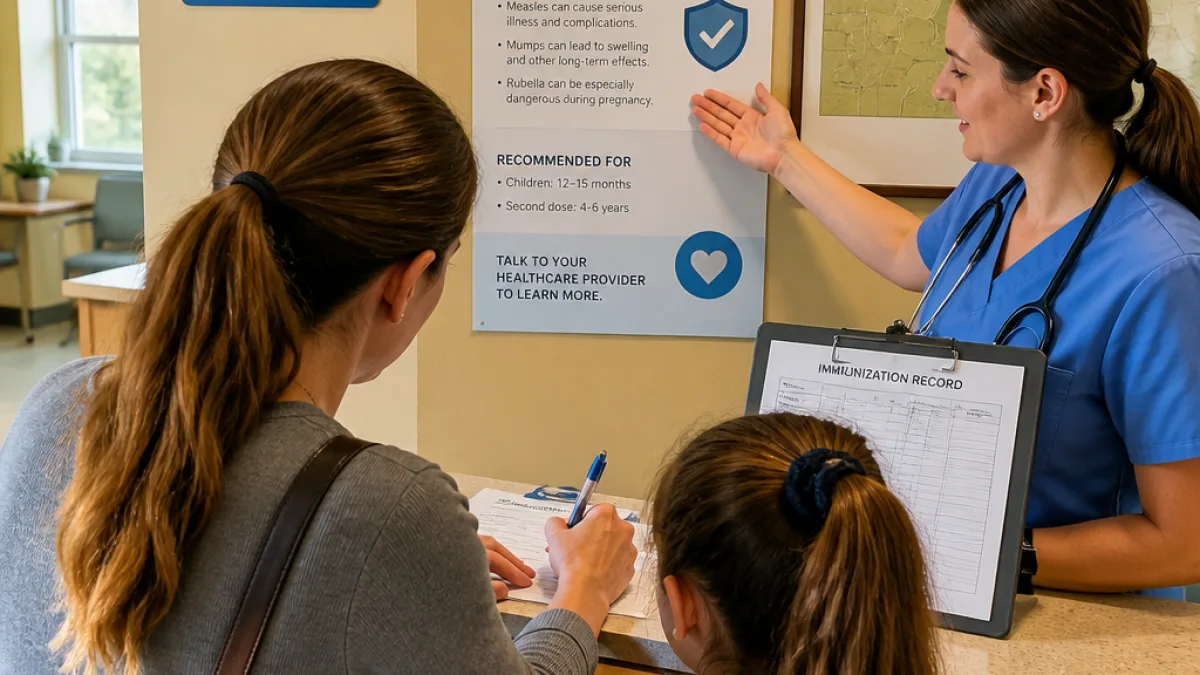
- Check vaccination records: The measles-mumps-rubella (MMR) vaccine is typically given in two doses in childhood. Adults who are unsure of their status should consult a health care provider.
- Recognize symptoms: Early signs include high fever, cough, runny nose and red eyes, followed by a characteristic rash.
- Seek care: Call ahead before visiting a clinic or emergency room if you suspect measles to allow staff to take precautions and reduce spread.
Local health officials recommend that schools, child-care providers and health-care facilities remain vigilant for possible cases and follow reporting requirements. Confirmed or suspected measles cases are reportable to public-health authorities to support contact tracing and containment.
Practical steps and resources
The following table summarizes recommended immediate actions for people who may be at risk or exposed to measles:
| Situation | Recommended action |
|---|---|
| Unknown vaccination status (children) | Contact your pediatrician to review records or administer MMR vaccine if appropriate |
| Possible exposure to measles | Call local health department or provider; monitor for symptoms for 21 days; isolate if symptoms develop |
| High-risk individuals (infants, pregnant people, immunocompromised) | Seek immediate guidance from health-care provider; may require special precautions |
Health officials emphasize that vaccination not only protects the individual but also helps prevent outbreaks that can strain local clinics and hospitals. With travel and community transmission increasing nationally, even areas that have been measles-free for years remain vulnerable when immunity in the population drops below herd-protection levels.
Residents should follow updates from their county health department and the Pennsylvania Department of Health for confirmed case counts, exposure notices and clinic information. For questions about MMR vaccination, contact your primary-care provider or the local health department.
— Maya Kaplan, Pennsylvania Correspondent