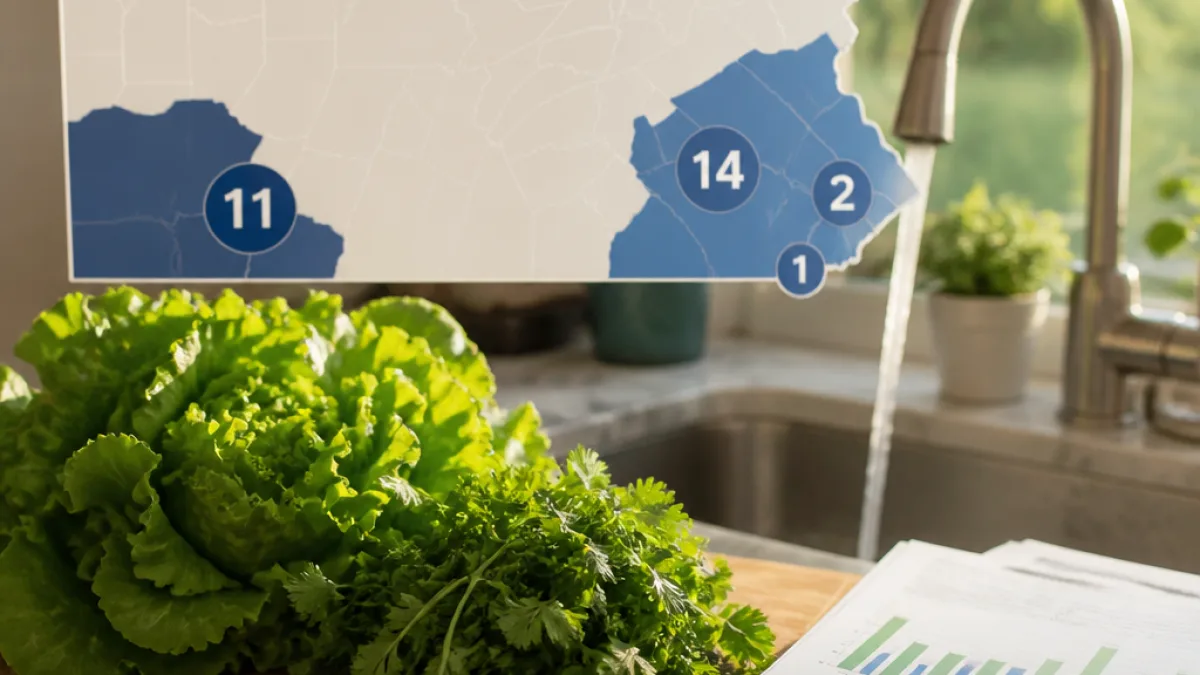
The Pennsylvania Department of Health has recorded 28 cases of cyclosporiasis across the commonwealth so far this year, with the majority clustered in the southeast and southwest regions, state officials said Thursday.
Regional distribution and trends
Health department data show the following breakdown by region:
| Region | Cases |
|---|---|
| Southeast | 14 |
| Southwest | 11 |
| Northeast | 2 |
| Northwest | 1 |
The department said it compiles case reports received from the Centers for Disease Control and Prevention and will update the statewide counts each Tuesday. Although cyclosporiasis is not one of Pennsylvania’s official reportable diseases, the health department continues to track and publish the information on a weekly basis.
What cyclosporiasis is and how it spreads
Cyclosporiasis is an intestinal illness caused by the parasite Cyclospora cayetanensis. The infection typically produces watery diarrhea and increased bowel movements, and symptoms can lead to dehydration if not treated. The parasite is often linked to consumption of contaminated fresh produce, particularly items imported from tropical or subtropical regions where the organism is more common.
- Most likely exposures: fresh fruits and vegetables that were contaminated during growing or handling.
- Prevention: washing hands with soap and water before and after handling produce; rinsing fruits and vegetables under running water; discarding or cutting away damaged areas on produce.
- When to seek care: residents with persistent or severe diarrhea should contact their physician for evaluation and testing.
Nationwide, Johns Hopkins Medicine has reported outbreaks affecting at least 30 states this year. Pennsylvania’s current total of 28 cases is lower than last year’s total of 87 but higher than the 40 cases reported in 2024.
Local stakes and public-health response
For counties in the southeast and southwest, the concentration of cases underscores the need for clinicians to consider cyclosporiasis when evaluating patients with prolonged diarrheal illness, and for public-health teams to investigate potential common sources. Because the parasite can be associated with produce distributed across a wide geographic area, pinpointing a single food vehicle can be challenging but is important to prevent additional illnesses.
The health department’s continued weekly updates aim to keep clinicians and the public informed while investigations and national surveillance proceed. Residents are advised to follow food-safety practices and to consult medical care if they develop symptoms consistent with cyclosporiasis.
— Maya Kaplan, Pennsylvania Correspondent