RALEIGH — North Carolina health officials have recorded 240 cases of cyclosporiasis statewide since May 1, public health authorities said Saturday, as investigators work to determine whether the illnesses stem from a common contaminated food item.
What officials are doing
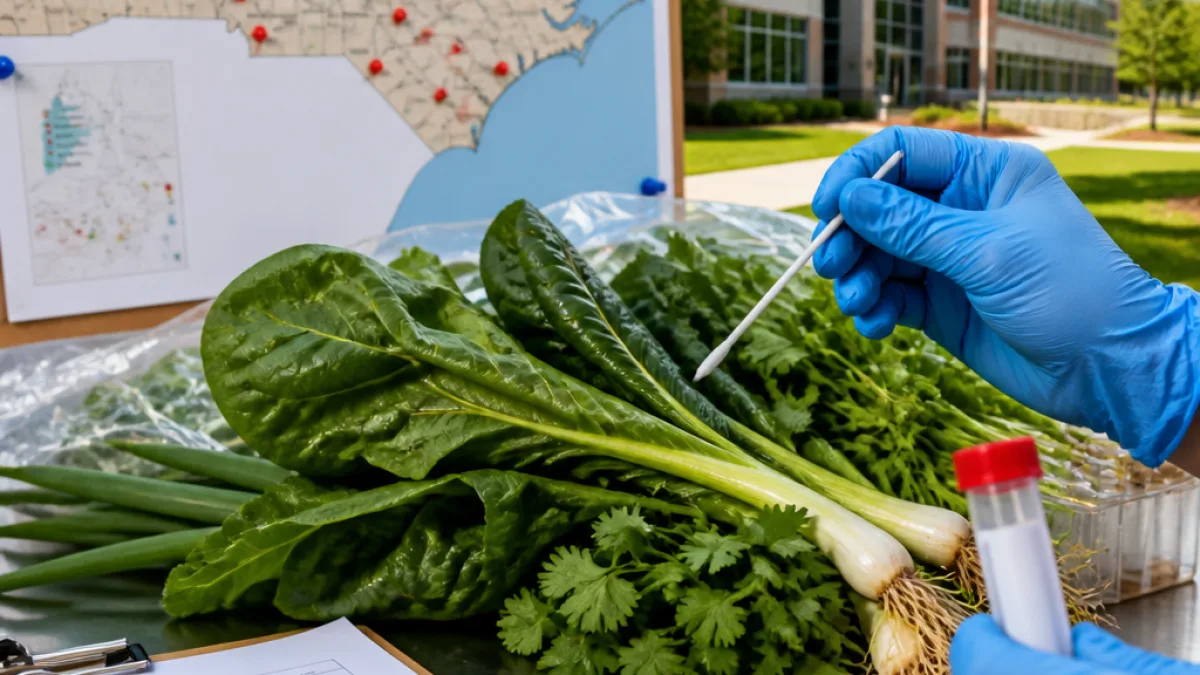
The North Carolina Department of Health and Human Services is coordinating interviews with patients and analyzing data while working with local and federal partners to identify potential sources of infection. Investigations into Cyclospora outbreaks often require combining patient exposure histories with laboratory and supply-chain information to find a likely common link.
Why this matters
Cyclosporiasis is caused by the microscopic parasite Cyclospora. Unlike many foodborne pathogens associated with meat, Cyclospora is frequently linked to fresh produce and herbs consumed raw — items that pass from field to plate and can be difficult to trace once distributed across multiple jurisdictions.
State officials noted reported illnesses extend beyond North Carolina, with cases identified in at least 18 states, underscoring the interstate nature of many fresh-produce supply chains and the need for multiagency coordination.
Symptoms and precautions
Typical symptoms include prolonged, sometimes relapsing gastrointestinal illness. Because investigations can take time, health authorities are urging residents and food handlers to take preventive steps when preparing and consuming produce.
- Wash hands with soap and warm water for 20 seconds before and after handling produce.
- Rinse fruits and vegetables under running water; scrub firm produce with a clean brush.
- Dry produce with a clean cloth or paper towel and remove outer leaves of lettuce or cabbage.
- Be aware that washing may not eliminate all parasites once contamination has occurred.
| Metric | Value |
|---|---|
| Reported cases in NC | 240 |
| Time frame | Since May 1 |
| States with cases | At least 18 |
Public guidance and next steps
Health investigators typically interview patients about foods eaten in the days to weeks before illness, coordinate with the U.S. Food and Drug Administration and the Centers for Disease Control and Prevention, and review supply-chain records when a common food item is suspected. Officials remind the public that confirming a single contaminated ingredient may take considerable time and that routine produce-washing techniques recommended by the FDA remain the best immediate defense.
Residents who develop persistent gastrointestinal symptoms should contact their health care provider. Public health agencies will release further information as investigators identify any specific contaminated products or distribution links.
Trevor Sloan, News Block — North Carolina Correspondent