A former Newark code enforcement officer pleaded guilty to a bribery charge this month and will be permanently disqualified from holding public office or working for government in New Jersey, state prosecutors said.
Sonia Rogers, 51, of Newark pleaded guilty June 26 to one count of conspiracy to commit bribery, a third-degree offense, the New Jersey Office of the Attorney General announced. The charge stems from an incident in September 2024 when prosecutors say she solicited payment in connection with a commercial inspection.
What prosecutors say happened
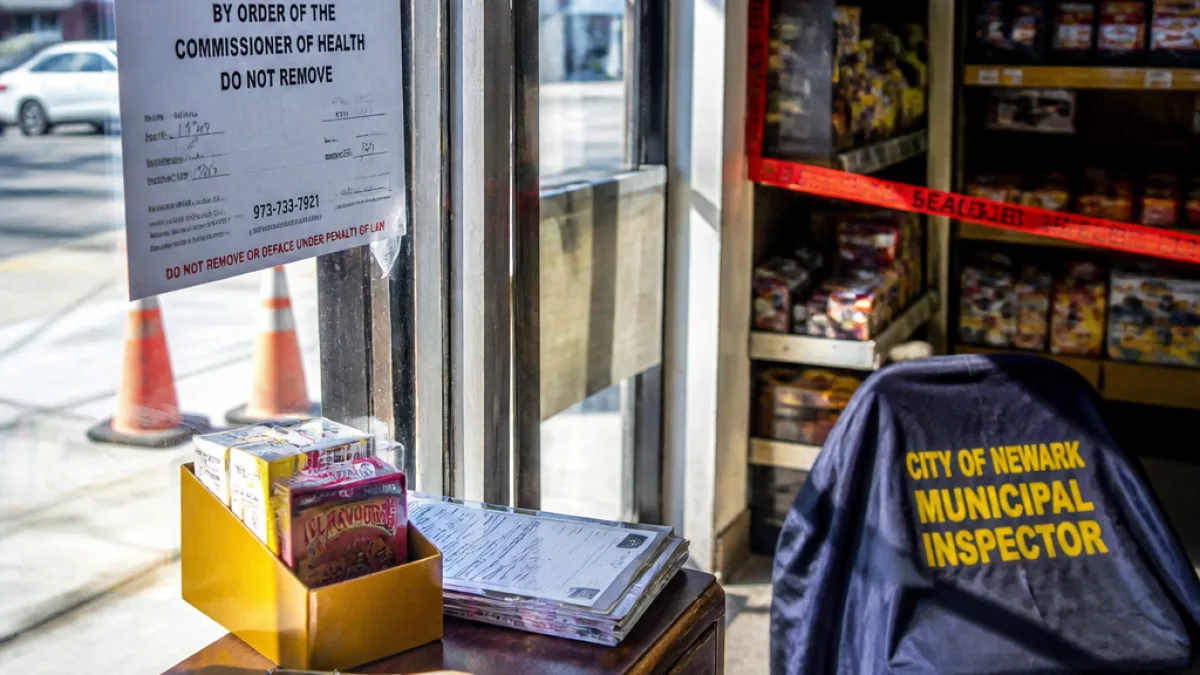
According to the Attorney General’s office, Rogers entered a Newark store in uniform, conducted an inspection and ordered the business closed after determining its municipal business license was expired. Prosecutors said she told store management that she would allow the business to reopen only if she was compensated with a cash bribe for doing them a favor.
Prosecutors allege Rogers ultimately did not take cash but instead accepted store merchandise without paying.
“As alleged, the investigation revealed ... Rogers advised store management that their municipal business license had expired, and if she were to allow the store to reopen to the public, she should be compensated with a cash bribe for doing the business a favor.”
Case timeline and penalties
Rogers was arrested in February 2025 after being charged by complaint-warrant and was later indicted by a state grand jury in August 2025, prosecutors said. Sentencing is scheduled for Aug. 14. As part of her plea agreement, Rogers will forfeit all public employment and be permanently disqualified from public office or government employment in New Jersey.
| Key date | Action |
|---|---|
| September 2024 | Alleged bribery incident during a code inspection |
| February 2025 | Arrested on complaint-warrant |
| August 2025 | Indicted by state grand jury |
| June 26, 2026 | Pleaded guilty to conspiracy to commit bribery |
| Aug. 14, 2026 | Sentencing date |
Local implications
The plea highlights concerns about the integrity of municipal inspections and the vulnerability of small businesses when officials abuse regulatory authority. Under Newark’s code enforcement rules cited by prosecutors, businesses ordered closed must remain so until required fire inspections and licensing steps are completed.
For Newark residents and merchants, the prosecution signals that state authorities are monitoring misconduct and seeking remedies that include job disqualification. The case may prompt review of internal controls and oversight within the city’s inspection and licensing process.
- Accountability: The plea agreement removes the officer from public employment and bars future government work in New Jersey.
- Deterrence: Prosecutors’ action may deter similar misconduct by other public employees who oversee licensing and inspections.
- Business impact: Merchants should be aware of their rights when inspectors order closures and follow up with appropriate city offices for compliance and enforcement questions.
The information in this report is based on statements from the New Jersey Office of the Attorney General and court filings. Sentencing will take place Aug. 14, when additional case details may be entered on the record.