City, regional officials target Dulles Drive building for crisis care
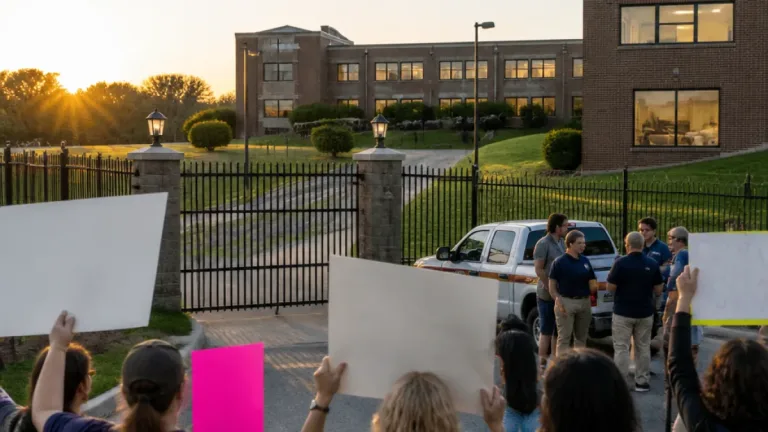
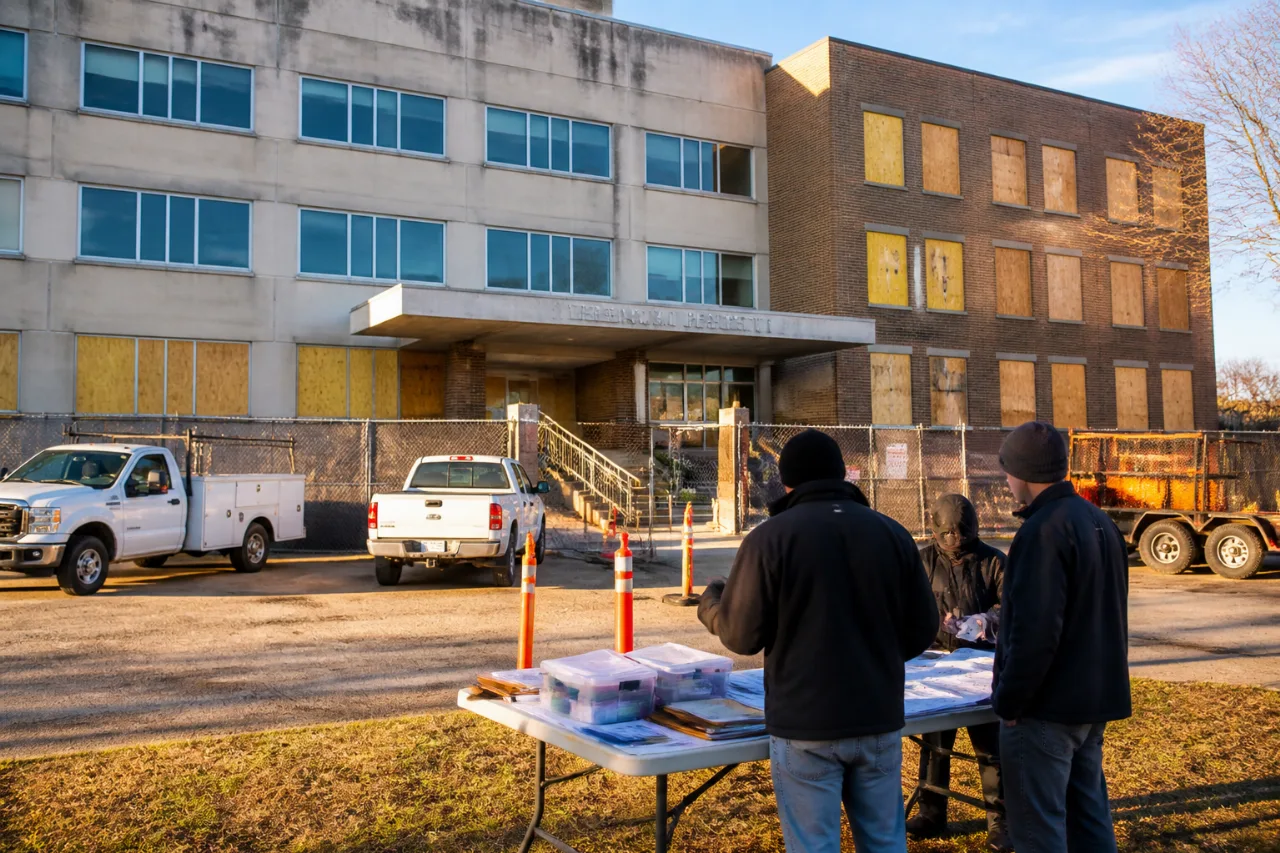
Lafayette officials are moving forward with plans to turn a shuttered psychiatric unit into a 24/7 crisis center that would take people in acute mental-health and substance-use distress out of emergency departments and off the streets. City leaders identified the former Ochsner Lafayette General Lafayette Behavioral Health Unit at 302 Dulles Drive as the likely site, officials said.
The center is intended to provide on-site stabilization and de-escalation, then connect patients to follow-up care rather than routing them into emergency rooms or local jails. According to Christina Dayries, chief of staff to the mayor-president, the facility would be staffed with clinicians and medical personnel equipped to treat immediate crises.
"(It’s) providing them now a facility that has the right clinicians and medical personnel that can help them,"
Funding for repairs, renovations and equipment would come from Lafayette Parish’s share of the state-distributed opioid settlement funds. The parish’s contribution for the facility effort totals $2 million. Those opioid settlements were part of a broader national resolution that resulted in about $50 billion paid by drug manufacturers to states, according to the assessment cited by officials.
Officials say the assessment that determined the building could serve as a crisis center was paid for with a mix of state, local and opioid settlement dollars. Recent state legislation authored by Rep. Annie Spell (R-Lafayette) — which requires commercial insurers to reimburse crisis-care providers — strengthened the center’s financial prospects, city leaders say.
Next steps: provider selection and state approval
Before the center can open, the city and region must secure state approval and identify an operator to run day-to-day services. Several providers have expressed interest, including Vermilion Behavioral Health Services and Oceans Healthcare. The Acadiana Human Services District is preparing a financial model to demonstrate long-term sustainability to potential operators.
City officials said they hope the center can be up and running by the new year, but emphasized that approvals and a finalized operations contract still need to be completed.
- Location: former Lafayette Behavioral Health Unit, 302 Dulles Drive
- Planned capacity: 24 beds
- Funding: Lafayette Consolidated Government opioid settlement allocation (~$2 million) plus state and local funds for planning
Local impact and broader context
For Lafayette, a local crisis center would aim to relieve pressure on hospital emergency departments and keep families from cycling through the criminal-justice system when a medical intervention is what’s needed. The plan mirrors a statewide push to create alternatives to ERs and jails for people in behavioral-health emergencies, supported by settlement dollars and new reimbursement rules that make such centers more financially viable.
| Feature | Detail |
|---|---|
| Site | 302 Dulles Drive (former Lafayette Behavioral Health Unit) |
| Capacity | 24 beds |
| Primary funding source | Lafayette opioid settlement funds (local share ~ $2 million) |
| Potential operators | Vermilion Behavioral Health Services, Oceans Healthcare (interested) |
The plan remains contingent on state approval and finding a sustainable operator. If those pieces fall into place, Lafayette residents could see a locally based, round-the-clock alternative for mental-health and substance-use crises within months — a development city leaders say would fill a gap in the region’s behavioral-health safety net.