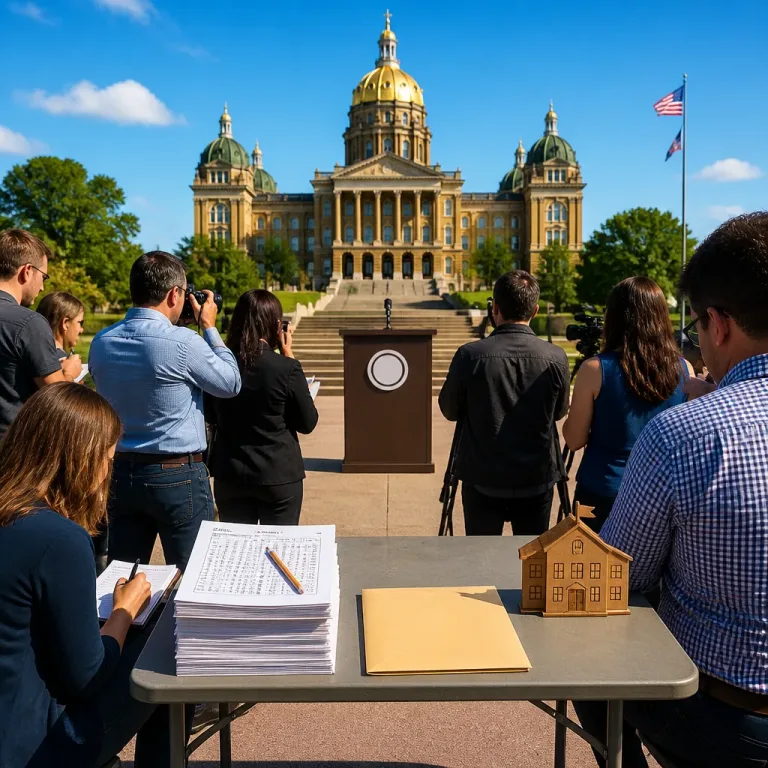
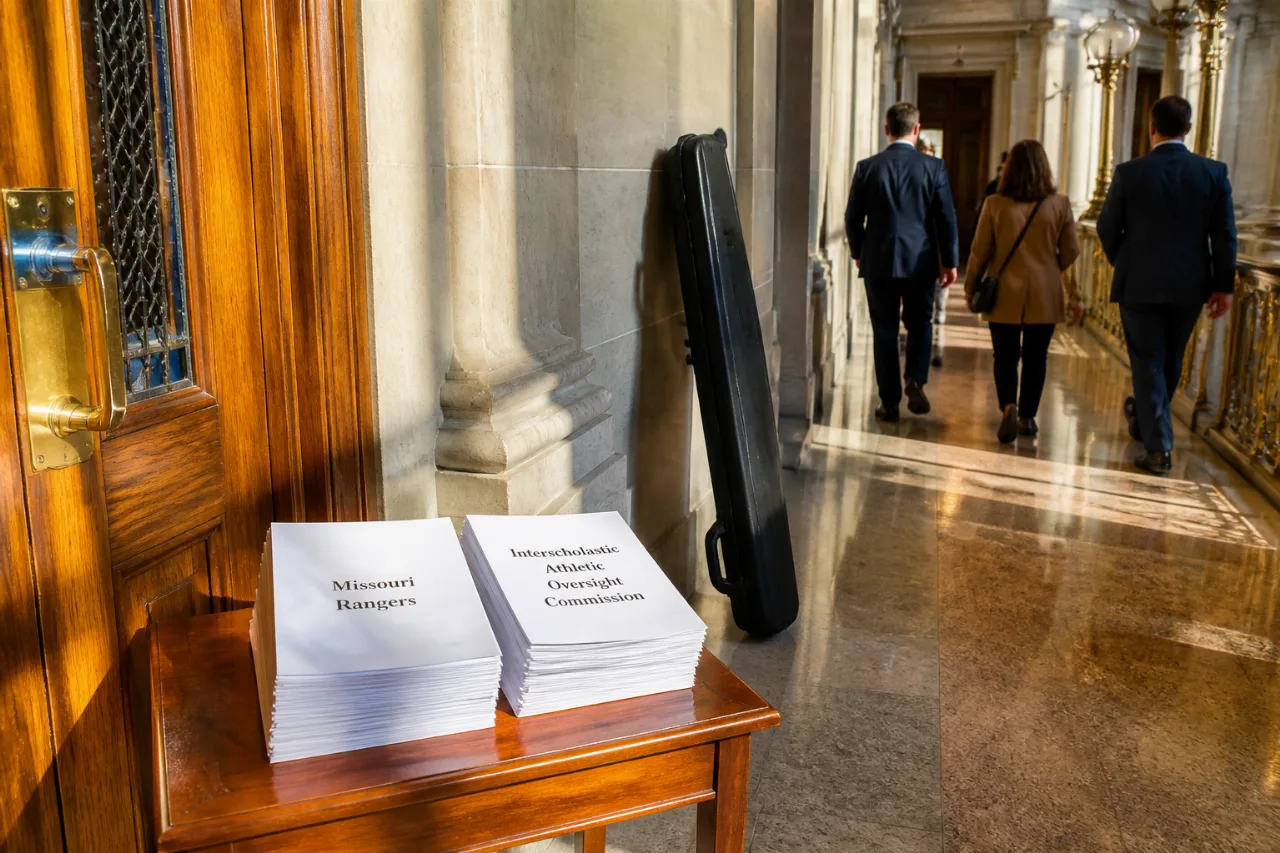
JEFFERSON CITY — Gov. Mike Kehoe on Thursday signed two bills that set up an armed school-response program called Missouri Rangers and create a state-run Interscholastic Athletic Oversight Commission to hear certain appeals from high school sports organizations.
What the Missouri Rangers program allows
The legislation directs the state Peace Officer Standards and Training Commission to establish the program and set minimum training standards for instructors, centers and ranger programs focused on preventing and responding to violent crises in schools. A ranger may be employed full time, part time or serve as a volunteer, and local school districts will decide whether a ranger may carry a weapon.
- Rangers may carry firearms or other weapons capable of lethal use if authorized by the hiring district, and may be armed on school property and on buses.
- Training is capped at no more than 160 hours and covers a range of tactical and safety topics.
- Key curriculum areas include active-shooter response, de-escalation, behavioral threat assessment and first aid.
The bill leaves important implementation choices to districts — whether a ranger is armed, what type of weapon to allow and whether it is concealed.
"A choice to have a higher trained armed guard,"
State Sen. David Gregory, a Chesterfield Republican and sponsor of the ranger proposal, used that phrase during floor debate to describe his intent for the program. Supporters have framed the measures as tools that give families and districts more options for security and oversight.
New oversight for athletics
The second bill creates the Interscholastic Athletic Oversight Commission, a state body empowered to review certain eligibility and competition decisions made by statewide activities associations, including the Missouri State High School Activities Association (MSHSAA). Proponents say the commission will offer a formal avenue for appeals that can affect student athletes and teams.
| Program | Main feature |
|---|---|
| Missouri Rangers | State program for trained school response personnel; districts decide arming and employment |
| Athletic Oversight Commission | State-level appeals option for some high school athletics decisions |
Supporters and critics
Backers argue the measures expand choices for districts — offering additional security resources and a path to redress in athletic disputes. Critics counter that the ranger law effectively places more firearms in schools and inserts state government into decisions historically handled by local and private school-governed associations.
The bill specifies training topics that include close-quarters combat, building security and hardening, bomb and arson training, de-escalation, active-shooter training, behavioral threat assessments, search-and-seizure law, firearms training, defensive tactics and abbreviated "stop the bleed" first aid training.
How districts implement the ranger program will vary across the state. District leaders must weigh local circumstances, community sentiment and budgetary impacts when deciding whether to hire or authorize an armed ranger. The new oversight commission will also change how some disputes in Missouri high school sports are resolved, potentially shifting outcomes that now rest with associations like MSHSAA to a state-level review process.
Both measures will be watched closely across Missouri in the coming months as school boards, superintendents and families determine whether to adopt the new options and how they fit with local safety and governance practices.