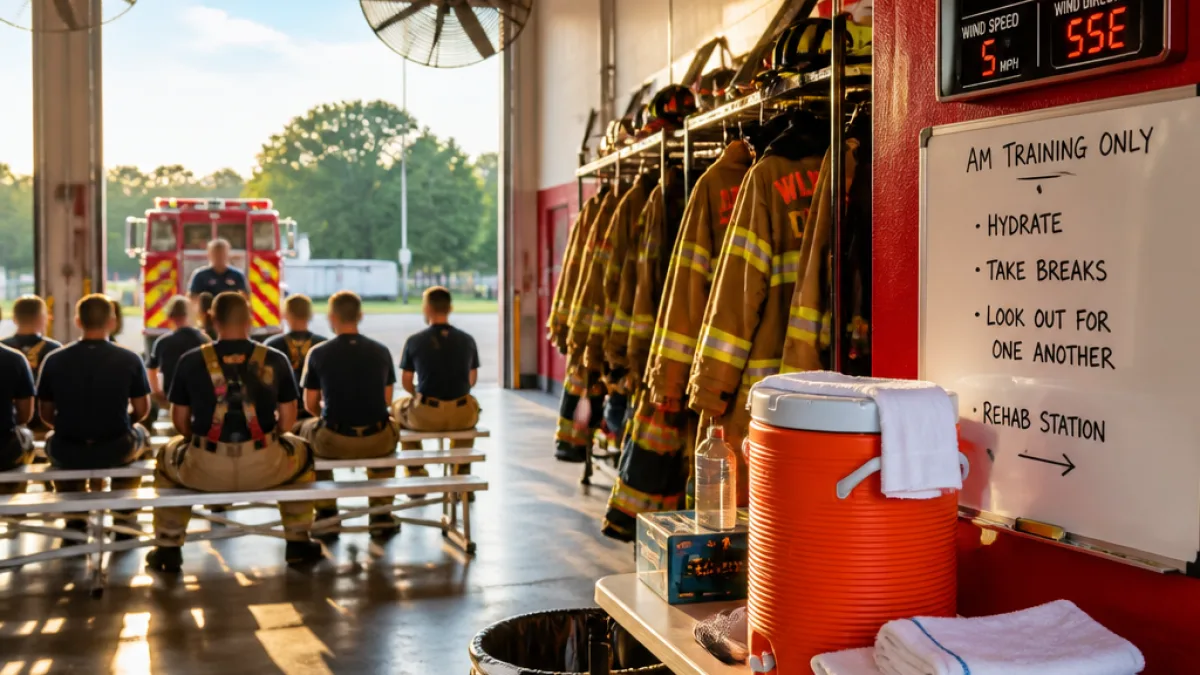
Fire department shifts schedules and on-scene procedures to reduce heat risk
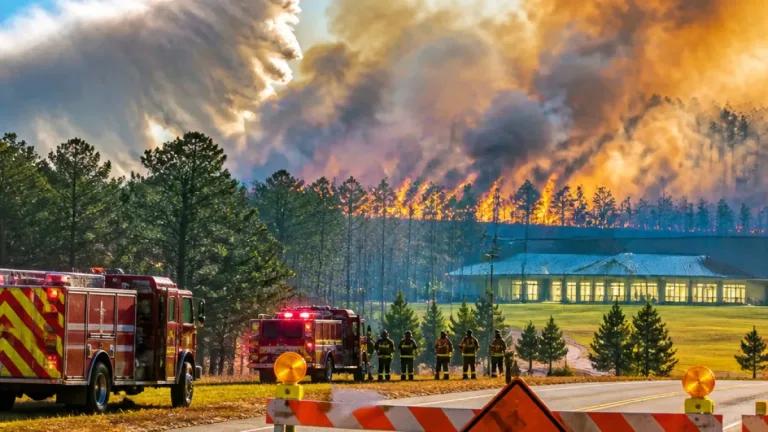
The relentless summer heat in Wilmington has prompted the Wilmington Fire Department and neighboring departments to modify daily operations to protect crews from heat-related illness while maintaining emergency readiness. Departments have curtailed nonessential training, rescheduled work to cooler morning hours and tightened monitoring of firefighters during both routine duties and active incidents.
Officials say the adjustments respond to high "real-feel" temperatures this season and are applied dynamically based on conditions. Supervisors watch crews for symptoms of heat exhaustion and cramps, and standard practice now emphasizes frequent hydration and cooling opportunities throughout shifts.
Operational changes focus on limiting prolonged exertion in full gear and ensuring structured relief during fires. Captain Colin Simpson described the gear as unavoidably hot but necessary, and outlined how crews are rotated to reduce individual exposure.
"The uniforms are hot, yes they are, but it’s a necessary evil. That’s what we wear daily,"
"We give frequent breaks if we have fires. We try to work our crews around 15 minutes, get them out of their gear, get them hydrated up and into a rehab position, get them cooled off, and then we rotate crews back in."
Those changes seek to balance two priorities: protecting firefighter health and preserving the department's ability to respond to emergencies. City and department leaders stress that although some training is paused or shifted, emergency response capability remains a top priority.
- Nonessential training suspended or moved to mornings
- Frequent breaks and hydration emphasized
- Supervisors monitor for heat-related symptoms
- Structured crew rotations during fires (approximately 15-minute work intervals)
A simple table illustrates the department's on-scene rotation approach as described by leadership:
| Action | Typical practice |
|---|---|
| Work interval | ~15 minutes before relief |
| Post-interval steps | Remove gear, hydrate, cool in rehab position |
| Training | Paused or shifted to morning hours |
For Wilmington residents, the changes are a reminder of the secondary impacts of extreme heat on city services. Beyond increased demand for emergency medical responses and potential rises in heat-related calls, maintaining firefighter readiness while shielding crews from heat stress is essential to keeping response times and capabilities stable.
Officials say these precautions are part of year-round preparedness, but are intensified when temperatures surge. As the region faces continued high heat, the department's policies will likely remain in place to protect personnel and sustain emergency services across the city and county.