A team led by the University of Massachusetts Amherst has confirmed that the Manila clam, an invasive bivalve native to the North Pacific, has become established along the northwestern Atlantic coast, researchers announced Tuesday.
How the discovery unfolded
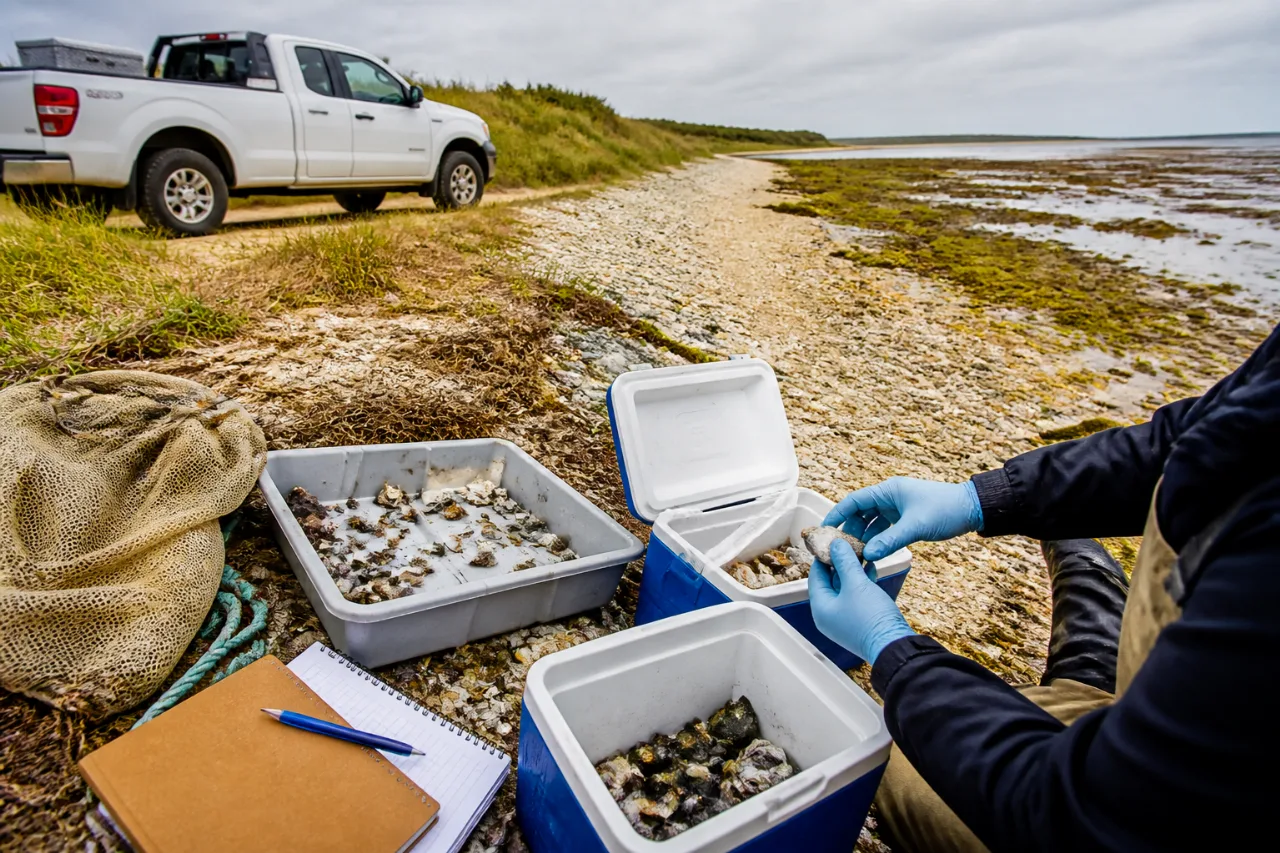
The finding grew from separate investigations that converged. Initial reports of "weird clams" from Provincetown and other parts of Cape Cod in 2023 prompted monitoring by regional researchers. A 2025 photograph sent by an undergraduate who had worked with UMass researchers reinvigorated efforts to identify the specimens, and targeted surveys subsequently turned up Manila clam shells and live animals in multiple locations.
"Given that Manila clams are everywhere else in the northern hemisphere, it was only a matter of time before they showed up here, and we’ve been keeping an eye out for them," said Aly Putnam, a marine scientist and postdoctoral researcher at UMass Amherst and a co-author of the report.
The confirmation was published in the journal Biological Invasions and marks the end of a long stretch during which the northern Atlantic coast had remained free of this species, according to the researchers.
What this means for Massachusetts
Manila clams have a mixed track record. They are a valued aquaculture species in other regions and have supported a multibillion-dollar industry globally, but as an introduced species they can alter local ecosystems, compete with native clams and change food web dynamics. Researchers noted that the arrival could relieve some predation pressure on native bivalves by providing an additional food source for seabirds, crabs and other shellfish predators.
- Timeline: Initial local reports in 2023; renewed investigation after a 2025 text/photo; confirmation reported in 2026 publication.
- Geography: Presence confirmed along the northwestern Atlantic coast, including areas around Cape Cod and Provincetown.
- Research lead: University of Massachusetts Amherst team; paper published in Biological Invasions.
| Year | Event |
|---|---|
| 2023 | Local clammers report "weird clams" around Provincetown and Cape Cod |
| 2025 | Photograph/text spurs renewed targeted surveys |
| 2026 | UMass-led team publishes confirmation of Manila clam establishment |
For Massachusetts coastal communities, the confirmation raises questions for regulators, aquaculturists and conservationists about monitoring, potential economic opportunities and the management of native shellfish populations. The researchers said that continued surveillance and study will be important to understand population trajectories and ecological effects.
Local shellfishermen, resource managers and state agencies will likely monitor the spread and impacts in coming months and years, while scientists examine whether the Manila clam becomes a stable component of the region’s intertidal ecosystems or remains localized.
This confirmation closes a long gap in the northern hemisphere map of Manila clam distribution and signals a new chapter for New England’s coastal ecology.