Downtown Orlando is showing renewed momentum as corporate relocations, public investments and long-awaited development projects begin to change the look and economic dynamics of the city center.
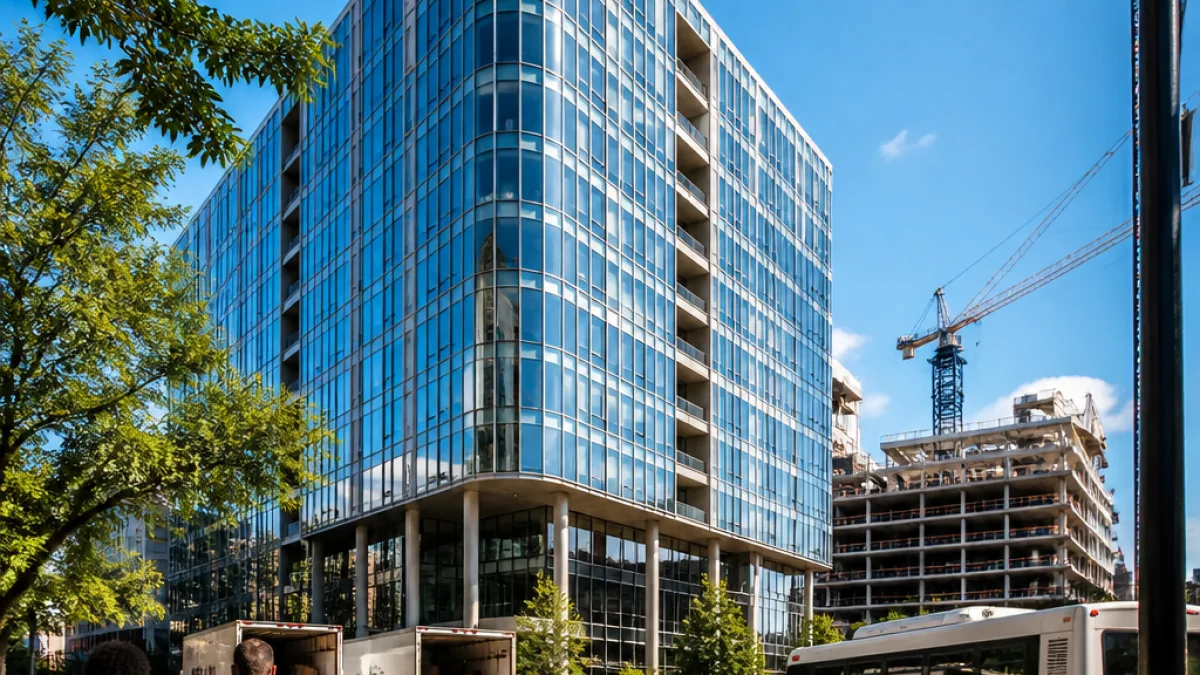
The most visible example is the Fulcrum building at 150 N. Orange Ave., which now houses sports marketing firm TMRW Sports. The move is among several recent corporate shifts and leasing decisions that industry analysts say are improving confidence among tenants, investors and developers in downtown office space.
What this means for residents
For Orlando residents, the changes translate into near-term and longer-term effects: increased construction and development activity downtown, potential growth in office-based employment, and higher demand for local services, retail and transportation. Public-sector infrastructure investments tied to these projects may also affect traffic patterns and transit planning around the core.
Officials and market observers tell commercial real estate audiences that the combination of private relocations and public projects is helping to stabilize demand for office and mixed-use space after a period of uncertainty. That stabilization can influence future development approvals and the pace of new housing and retail projects aimed at serving downtown workers and residents.
Projects and players
CoStar Analytics highlights several elements driving the shift: corporate headquarters moves, infrastructure investments and mixed-use developments. One concrete example named in recent coverage is the Fulcrum building and its new tenant.
- Fulcrum — 150 N. Orange Ave.: new home to TMRW Sports.
- Other downtown mixed-use developments and infrastructure projects: identified by analysts as contributors to renewed market confidence.
| Project / Site | Noted detail |
|---|---|
| Fulcrum (150 N. Orange Ave.) | Relocation of TMRW Sports |
While detailed transaction and tenant lists are behind industry paywalls in the original report, the public takeaway for downtown Orlando is clear: market participants are responding to a mix of private and public commitments that could accelerate redevelopment efforts.
Outlook and local consequences
Renewed confidence in downtown office and mixed-use markets does not automatically resolve longstanding local issues such as affordable housing, traffic congestion or neighborhood impacts from construction. However, if the pattern of relocations and infrastructure spending continues, residents can expect a busier downtown with more daytime workers, additional retail and dining options targeted at those workers, and a stream of development applications coming before city planners and commissioners.
City and county agencies, along with developers and tenants, will shape how that growth is managed. For Orlando residents, the immediate changes to watch for are increased construction activity, new tenants in office towers, and any announced public infrastructure projects tied to downtown redevelopment.
Local stakeholders will monitor whether that momentum results in sustained job growth and broader neighborhood benefits or primarily concentrates gains within the central business district.