Policy shifts and building boom eased rent pressure
Minneapolis has seen a notable expansion of housing supply in recent years that helped blunt rent increases for existing apartments even as the city's population climbed. Changes in zoning and permitting rules, together with private investment, are credited with enabling a rapid rise in new units and more flexible household arrangements.
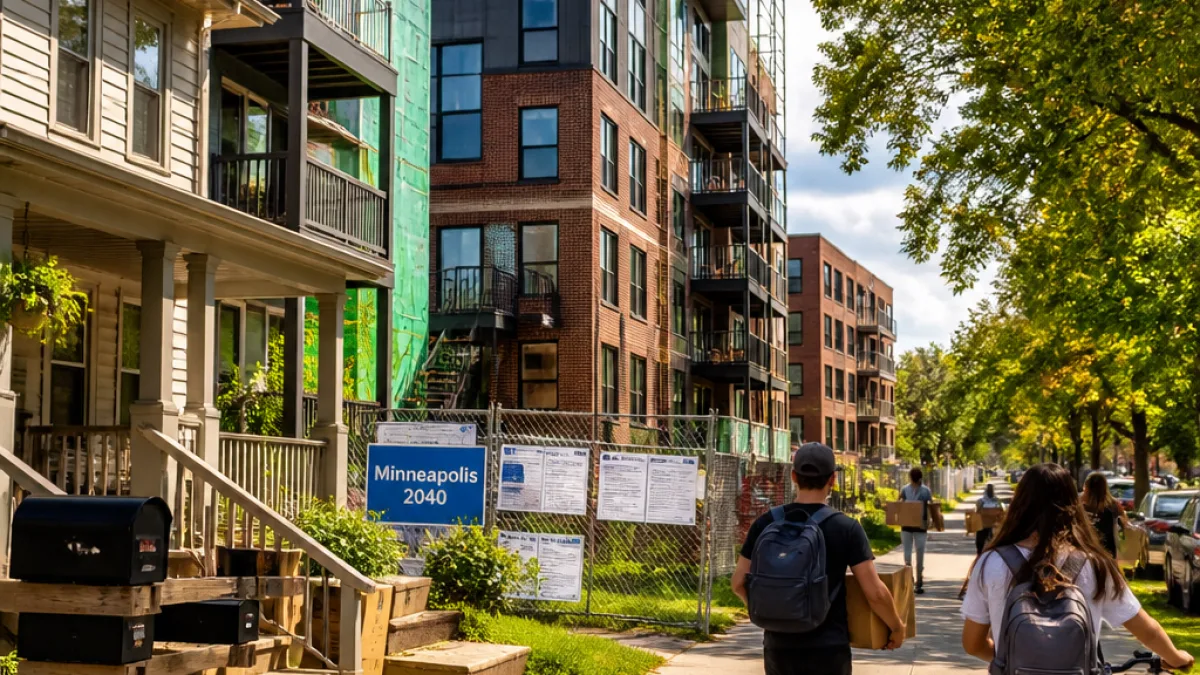
Advocates and analysts highlight two local policy moves as key drivers: the legalization of so-called “intentional communities” allowing more unrelated roommates to live together and physical modifications to make that living arrangement practical, and the Minneapolis 2040 Comprehensive Plan, which opened the door to higher-density housing around the University of Minnesota.
"Collective legislative action and private investment powered one of the largest increases in residential population in the history of Minneapolis, all while keeping rents for preexisting apartments relatively stable."
Those changes coincided with a substantial building effort. Federal data cited in reporting show Minneapolis added more than 32,000 new housing units between 2013 and 2024, a scale of construction that expanded available housing choice in multiple neighborhoods.
| Period | New housing units (HUD) |
|---|---|
| 2013–2024 | 32,000+ |
What this means for renters and planners
For Minneapolis renters, a larger supply of units and legal paths to denser housing options likely reduced competitive pressure on older apartments, helping to keep rents more stable than they might otherwise have been. For city officials and county planners, the experience provides a local case study of how zoning reform paired with private development can influence market outcomes.
- Zoning reform: Eased limits on household composition and allowed increased density in targeted areas.
- Targeted density: Changes through Minneapolis 2040 prioritized increased housing near the university, where demand is consistently strong.
- Building activity: Thousands of new units entered the market from 2013–2024, expanding supply.
The interplay of policy and private investment raises questions for future housing strategy in Minneapolis and Hennepin County. City leaders and state lawmakers will need to weigh how zoning adjustments, incentives for affordable units, and infrastructure planning fit together as population trends continue to shift.
While stabilizing rents for existing units is a tangible outcome, the distributional effects — which neighborhoods saw most of the new construction, how many units are permanently affordable, and how displacement risks were managed — remain central issues for residents and policymakers moving forward.
Minneapolis' recent experience will be watched by other cities weighing similar reforms, particularly in the Upper Midwest where housing supply constraints and changing household patterns present ongoing policy challenges.