Michigan officials say early findings from their statewide probe into a sudden, large outbreak of cyclospora infections point to lettuce and leafy salad greens as a likely source. State health authorities reported more than 3,300 cases in Michigan as of Tuesday, part of a national surge that has pushed reported infections past the previous U.S. record of about 4,700 set in 2019.
What investigators have found so far
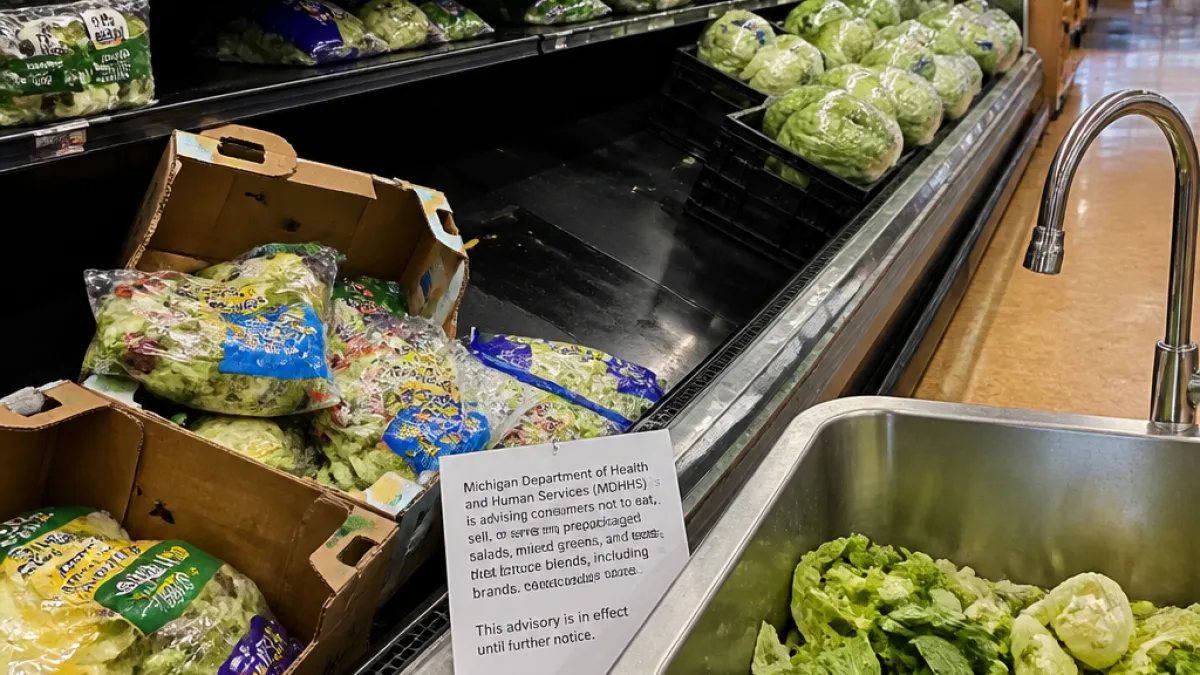
Public health teams in Michigan conducted more than 1,000 interviews with sickened residents to trace exposures. That work repeatedly identified lettuce or salad greens as a product that came up in patient histories, according to the state’s chief medical executive. Because fresh produce has been implicated in prior cyclospora outbreaks, Michigan’s health department issued consumer guidance on handling lettuce and greens.
"Early information has shown lettuce as a common product that regularly comes up during the investigation,"
Officials cautioned that federal and state agencies have not yet identified a single supplier or product as the definitive source. Federal health officials have said patterns may vary by state while noting linked cases in at least four states: Michigan, Ohio, Kentucky and West Virginia.
Practical steps for consumers
The Michigan Department of Health and Human Services and other public health agencies recommend steps consumers can take now to reduce risk:
- Buy whole heads of lettuce rather than pre-washed or bagged mixes.
- Discard the outer two to three layers of leaves of whole heads.
- Thoroughly wash the remaining inner leaves under clean running water.
- Avoid bagged salad kits and pre-mixed greens until investigations clarify the source.
- When possible, cook greens—heating to at least 158 F (70 C) can inactivate the parasite.
Broader context and local impact
Cyclospora cayetanensis is a parasite that causes prolonged watery diarrhea and is typically treated with antibiotics. Although the illness is rarely life-threatening for otherwise healthy people, it can cause substantial gastrointestinal distress that disrupts work, school and daily life for those affected. More than 30 states have reported cases this year as federal agencies track a national increase.
Businesses have begun responding to the outbreak. Taco Bell said it had "voluntarily and temporarily removed limited ingredients at select restaurants as a precautionary measure" while public health agencies continue investigations and tracing efforts.
| Metric | Value |
|---|---|
| Michigan reported cases | 3,300+ |
| U.S. 2019 record | ~4,700 |
| States reporting cases in 2026 | 30+ |
State and federal investigators continue laboratory testing and supply-chain tracing to try to pinpoint the contaminated item or distributor. In the meantime, Michigan health officials urge caution with packaged and pre-washed salad products and recommend buying whole heads of lettuce, discarding outer leaves and washing remaining leaves before eating.
Residents who develop prolonged diarrhea or other symptoms consistent with cyclosporiasis should contact their health care provider. Local health departments can provide information on testing and treatment, and Maine-based clinical guidance notes that the condition is typically treated with specific antibiotics prescribed by a clinician.