The Lyon College School of Dental Medicine in Little Rock has completed its inaugural year and opened its second class, a milestone for Arkansas as the state’s first dental school seeks to expand care to underserved communities.
Growth, outreach and the staffing challenge
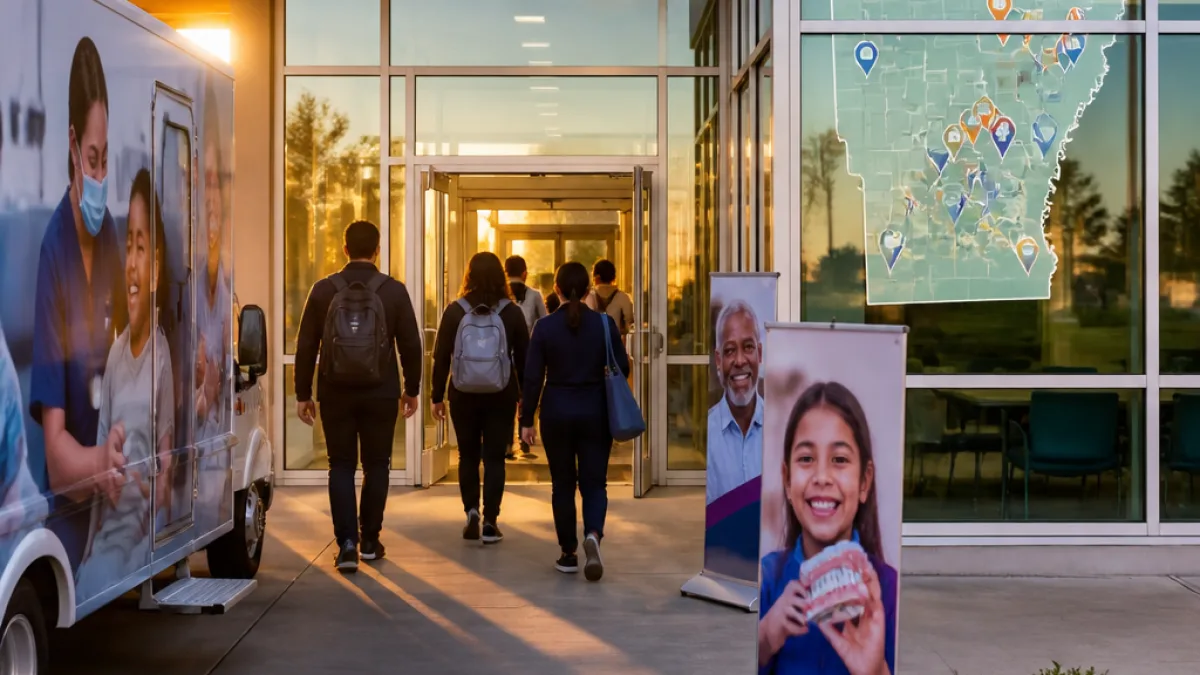
The three-year program enrolls 80 students per class, with full enrollment projected at 240 students. During its first year, the school said it reached all 75 Arkansas counties through community outreach and provided oral health education, screenings and preventive services to more than 10,600 people, according to founding dean Dr. Burke Soffe.
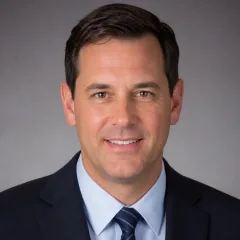
"During our first year, the school reached all 75 Arkansas counties through community outreach, impacted more than 10,600 individuals with oral health education, screenings, and preventive services," Dr. Burke Soffe said.
The launch is intended to address a persistent workforce shortfall: Arkansas ranks last among states in dentist-to-population ratio, with fewer than 42 dentists per 100,000 residents, the National Library of Medicine reports. That shortfall is reflected in students’ reasons for enrolling. Several cited a desire to serve rural areas, immigrants, refugees and other groups with limited access to dental care.
Student perspectives and community stakes
Students at the school come from varied backgrounds. One member of the second class described moving from Iraq to Syria, then to Seattle before arriving in Arkansas, and said providing care to immigrants and refugees was a driving motivation. Another student, a Little Rock native in the first cohort, said the absence of an in‑state dental school had previously pushed Arkansans to seek training elsewhere and that many new graduates hope to remain in the state.
- Classes: 80 students per class; 240 at full capacity
- Outreach: all 75 counties reached; 10,600+ individuals impacted
- State ranking: Arkansas ranks 50th in dentist-to-population ratio
The school is located on the plaza along Riverfront Drive in Little Rock’s Riverdale neighborhood. Officials say the program’s combination of clinical training and community outreach is intended to create a pipeline of providers who may choose to practice in areas with limited dental access.
Why this matters for Arkansas
The shortage of dentists presents a practical public health concern: with fewer than 42 dentists per 100,000 residents, many Arkansans face longer waits, longer travel distances and limited options for preventive and urgent oral care. Establishing a local dental school creates opportunities to train professionals who understand state-specific needs and who may be more likely to remain and practice in Arkansas communities.
As the Lyon program moves into its second year, the coming cohorts and the outcomes of its clinical placements will be watched closely by health officials, rural communities and state policymakers seeking to strengthen Arkansas’ health workforce and expand access to dental care.