Local professor tops out on Denali, completes nationwide high-point challenge
When a Central Alaska wind and ice field tested him at more than 18,000 feet, a University of Louisiana at Lafayette professor drew on decades of endurance training and novel acclimation methods to finish a quest that began with smaller peaks and hundreds of miles of running.
The climber, a finance professor in UL Lafayette’s B.I. Moody College of Business Administration for 19 years, reached the summit in Denali National Park—also known by its older name, Mount McKinley—completing the so-called high-points project: standing atop the highest natural elevations in all 50 states.
He told La Louisiane that his mountaineering began only after he discovered sailing books and then narrative accounts of climbers. Training in South Louisiana presented obvious geographic limits—“the highest nearby point is the fifth floor of Griffin Hall,” he said—but he compensated with a mix of endurance running, strength work and simulated altitude exposure.
- Endurance base: many years of daily running, multiple marathons and dozens of 5Ks.
- Strength training: bodybuilding-style weight work to carry heavy loads without porters.
- Altitude preparation: more than 400 hours in a hypoxic tent to simulate thin air.
“I was in that tent for like 400 hours prior to Denali to prepare for the altitude,”
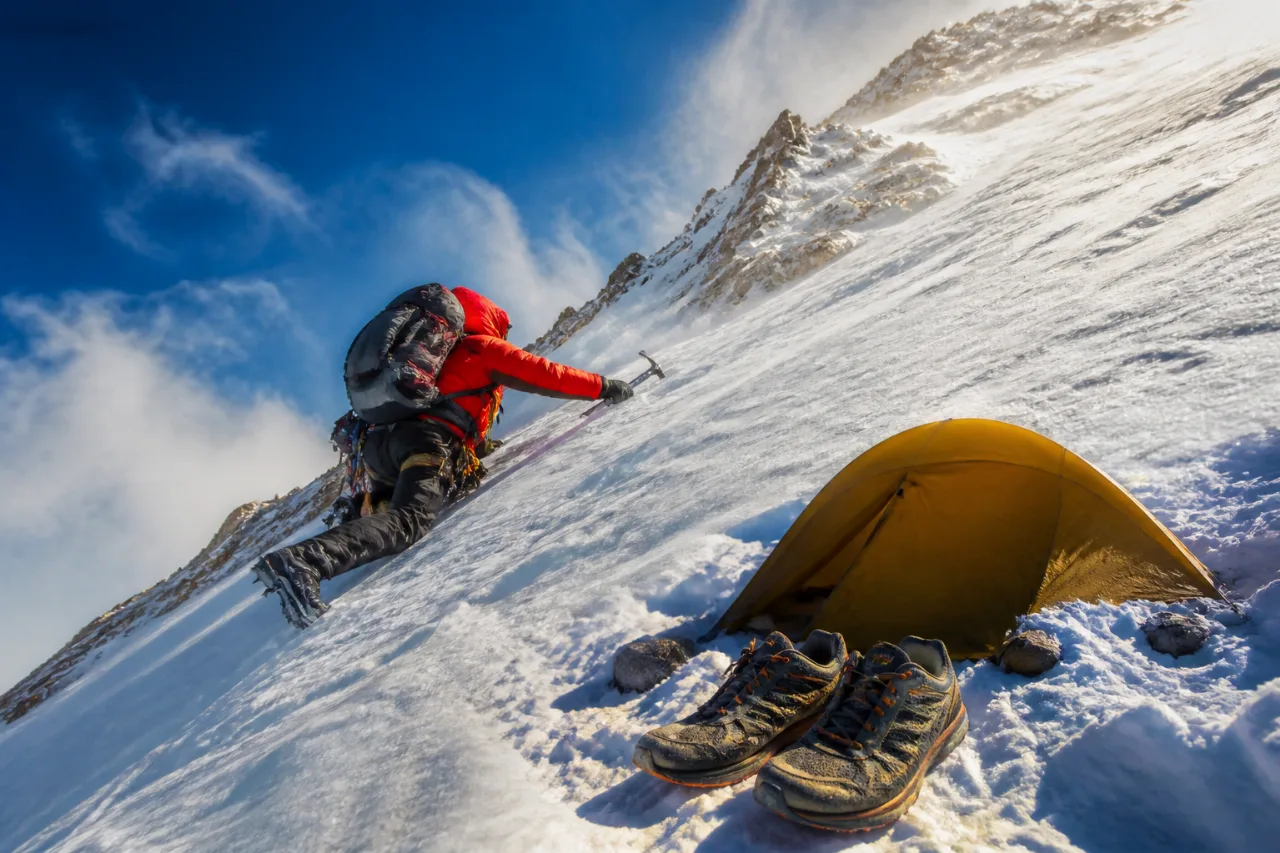
During his ascent, he described a precarious moment at the Denali Pass area, when a slip at roughly 18,500 feet required him to self-arrest with an ice axe and climb back up using an ice tool. He also noted that crampons struggled to gain purchase on the hard ice there, forcing a reassessment before continuing toward the summit.
The achievement places a Lafayette educator among a small group of climbers who have completed the high-points list. For local readers, the story underscores how Lafayette-based athletes and outdoor enthusiasts adapt training to fit coastal Louisiana’s flat landscape—relying on endurance sports, weight training and technology to simulate mountain conditions.
| Training component | Purpose |
|---|---|
| Daily running | Endurance base for long days on the mountain |
| Weight training | Strength for carrying heavy loads without support |
| Hypoxic tent (400+ hours) | Simulate high-altitude oxygen levels |
Beyond the personal milestone, the climb illustrates a larger trend among Gulf South outdoorspeople who use creativity and cross-training to tackle projects beyond their region’s topography. For UL Lafayette students and colleagues, the professor’s expedition also highlights balance: continued teaching and academic duties paired with long-term training and international travel.
The high-points challenge draws attention from climbers who seek geographic completeness as much as alpine difficulty. Denali, as the tallest peak in North America, often represents the final, most technical hurdle; successfully exiting a slip at a high pass and still reaching the summit speaks to both preparation and experience.
For Lafayette readers, the climb is a reminder that ambition can stretch past local limits, whether scaled on a tent-acclimated schedule or on the stairs of Griffin Hall.