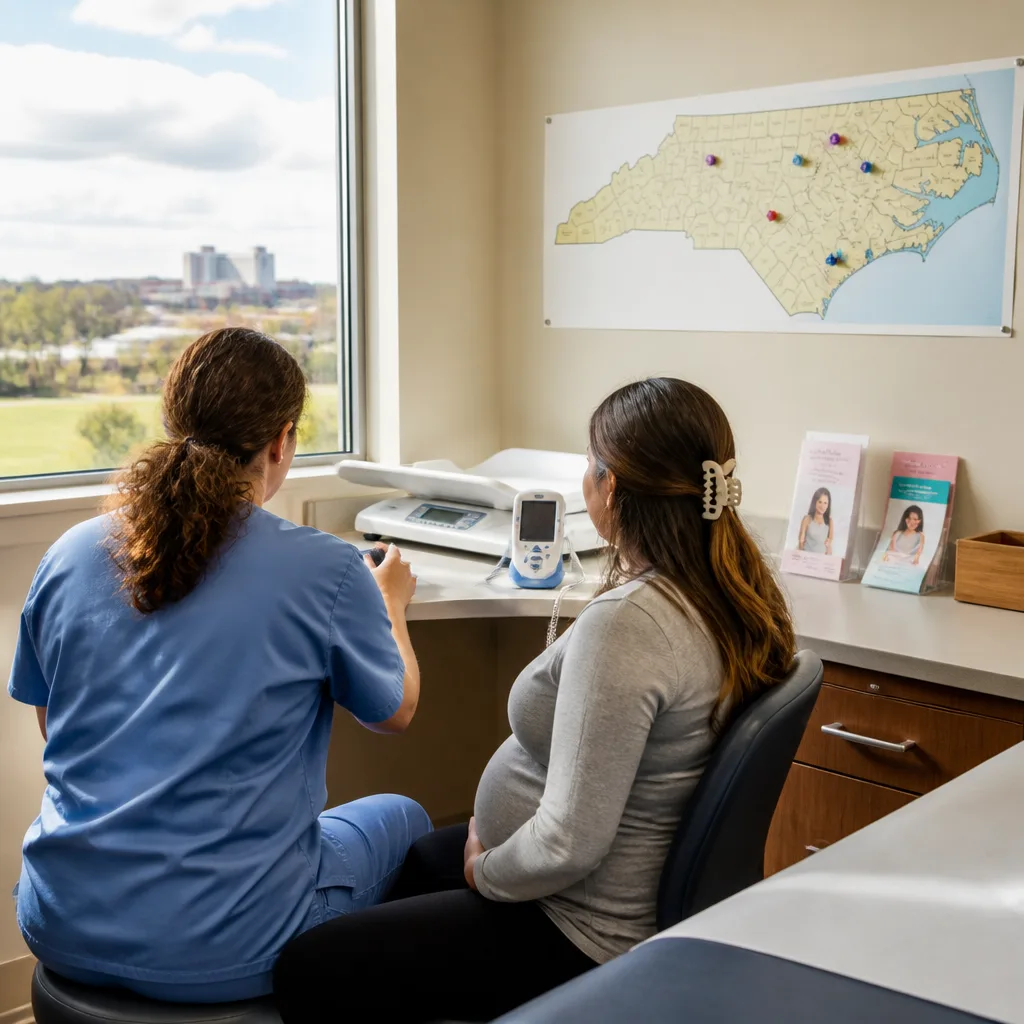
CHARLOTTE, N.C. — A coalition led by clinicians and a former state health director has secured a $2.8 million grant to strengthen perinatal services in rural North Carolina counties that lack reliable obstetric care.
Bringing care closer to home
The funding, provided by the Leon Levine Foundation, will support efforts to provide prenatal and postpartum services in at least 10 rural counties classified as maternity deserts — areas with limited or no access to obstetric providers, birthing centers or hospital labor-and-delivery units.
Perinatal data from the nonprofit March of Dimes identifies 38 North Carolina counties as maternity deserts or having low access to maternity care, with more than half lacking a hospital labor-and-delivery unit or obstetric providers. The problem has grown as financially strained hospitals, particularly in rural areas, have shuttered labor-and-delivery services.
How services will be delivered
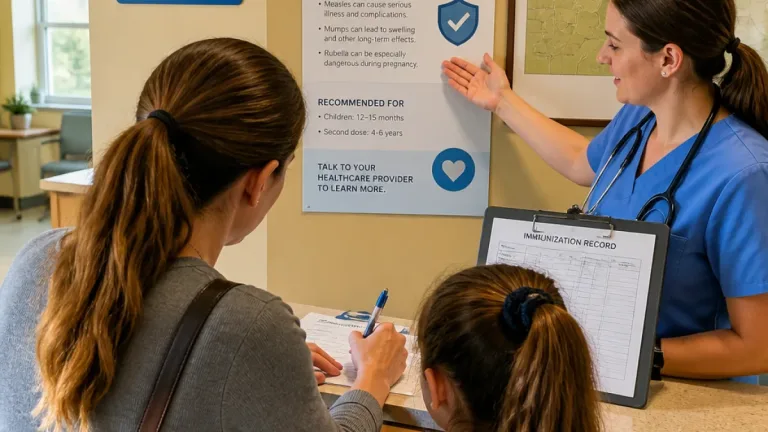
Program leaders say the initiative will not reopen hospital delivery units but will expand capacity at community health centers and local health departments that already operate primary care services.
- The model emphasizes shared maternity care: local clinicians provide prenatal services while hospitals provide delivery and immediate postpartum care.
- Funding will target clinics in counties identified as maternity deserts to add or strengthen perinatal services.
- Local providers such as family physicians who already staff clinics are expected to play a central role.
Physician Shannon Dowler, who is leading the effort to expand access, said the goal is for pregnant people to have a consistent medical home for pregnancy care without enduring lengthy travel.
"We want every woman to have access to a medical home for her pregnancy without having to travel an hour or two hours to get that care,"she told Carolina Public Press.
Context and implications
Rural maternity closures have been documented in investigative reporting and public health analyses: hospitals close labor-and-delivery services for financial reasons, creating geographic gaps in maternal care. Those gaps can increase travel times for prenatal visits and deliveries, potentially affecting outcomes and patient experience.
| Figure | Value |
|---|---|
| Grant amount | $2.8 million |
| Targeted counties | At least 10 |
| Counties identified as maternity deserts/low access | 38 |
Leaders of the initiative emphasize that expanding clinic-based prenatal and postpartum care can improve continuity, reduce travel burdens and strengthen connections with regional hospitals for deliveries. The grant is intended to build capacity among community health centers and health departments already providing primary care services.
As the effort moves forward, monitoring how clinics integrate maternity services, coordinate with regional hospitals for deliveries, and measure outcomes will be important to determine whether this approach can mitigate the effects of maternity deserts in North Carolina and offer a model for other states facing similar rural access challenges.