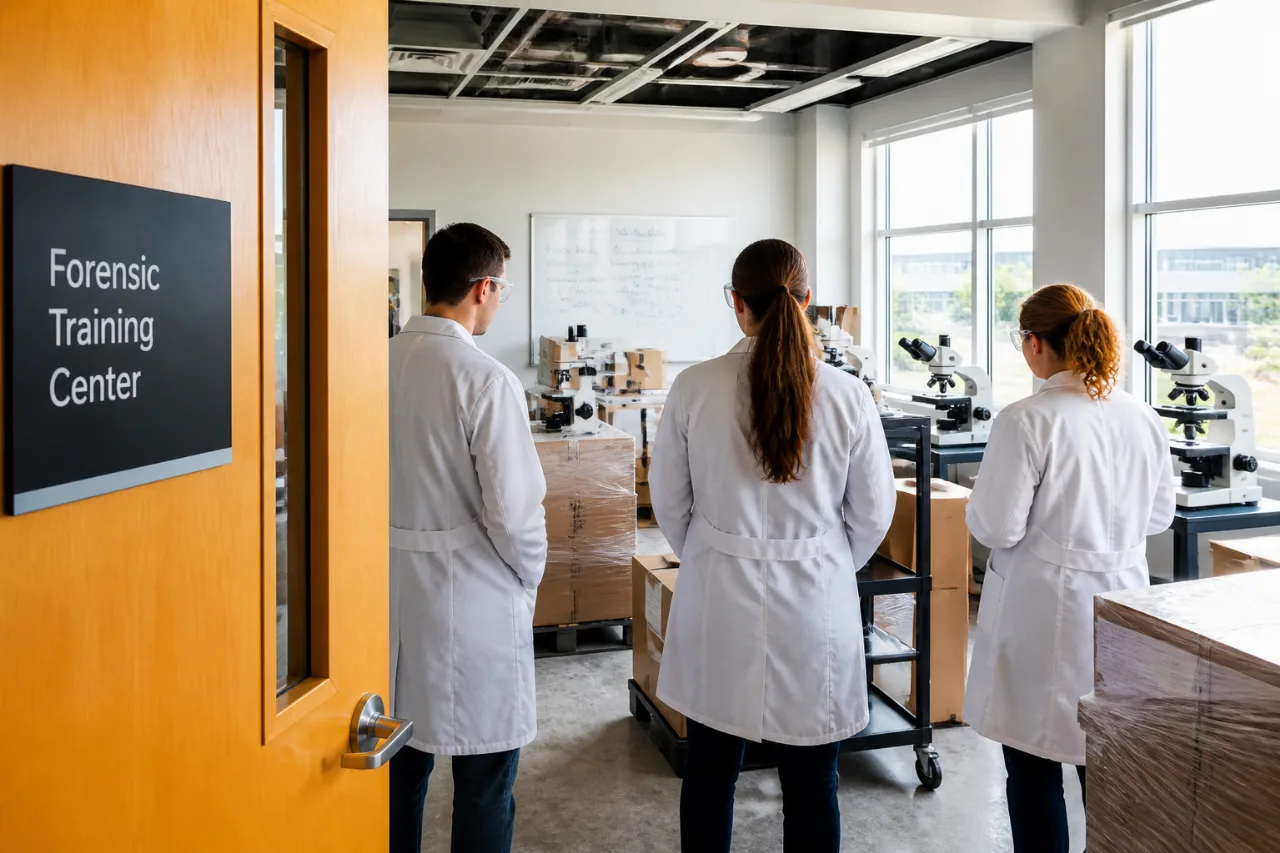
Loyola University Maryland has secured a $965,000 federal grant to create a dedicated forensic science training center intended to serve students, nearby universities and law enforcement agencies across the region.
Funding targets equipment, training and regional access
The award will be used to purchase modern laboratory instruments and establish a hub where undergraduates and law enforcement personnel can receive hands-on instruction. University and congressional officials described the project as both an educational investment and a way to strengthen local investigative capacity.
Representative Johnny Olszewski, D-Md., and other members of Maryland’s congressional delegation helped obtain the money. In a public statement, Olszewski framed the grant as an investment that supports career pathways and enhances public safety.
"It prepares students for high-demand careers, it gives law enforcement better tools to do their jobs, and it strengthens partnerships across the region," Olszewski said.
Dr. David Rivers, chair of Loyola’s forensic science department, described the planned center as an equipment-rich resource that will be accessible to Loyola students and peers at other institutions. He emphasized sharing costly instrumentation to broaden training opportunities for undergraduates who otherwise might not have access.
Education pipeline and community impact
The program already engages younger learners: high school students have participated in a Forensic Science Summer Academy run jointly by Loyola and the Baltimore Police Department. A high school senior who attended the academy said the experience helped solidify interest in the field.
University officials said the center is intended to expand pathways into forensic careers and to strengthen collaborations among academic programs and law enforcement agencies. They also signaled an ambition for the facility to serve as a possible model for other institutions seeking to pool resources for practical training.
- Grant amount: $965,000 federal funding
- Primary uses: state-of-the-art lab equipment, a new training center, shared access
- Intended users: Loyola students, students at nearby universities, regional law enforcement
Officials noted that high-cost equipment often places limits on undergraduate training programs. By creating a shared hub, Loyola aims to reduce duplication of expense and increase the hands-on experiences available to students who may enter criminalistics, forensic chemistry, digital forensics or related fields.
| Item | Details |
|---|---|
| Federal funding | $965,000 |
| Primary beneficiaries | Loyola undergraduates, regional university students, law enforcement agencies |
| Program element | Forensic Science Training Center, lab equipment, summer academy outreach |
As colleges and agencies nationwide consider how to scale hands-on training in technical fields, Loyola’s approach — combining federal support, interagency collaboration and outreach to high school students — provides one example of how institutions can expand capacity without each purchasing duplicate, expensive instrumentation.
University leaders say the center will be open to a range of partners and that they hope its shared-resources model will be replicated elsewhere to enhance undergraduate education and law enforcement training in forensic science.