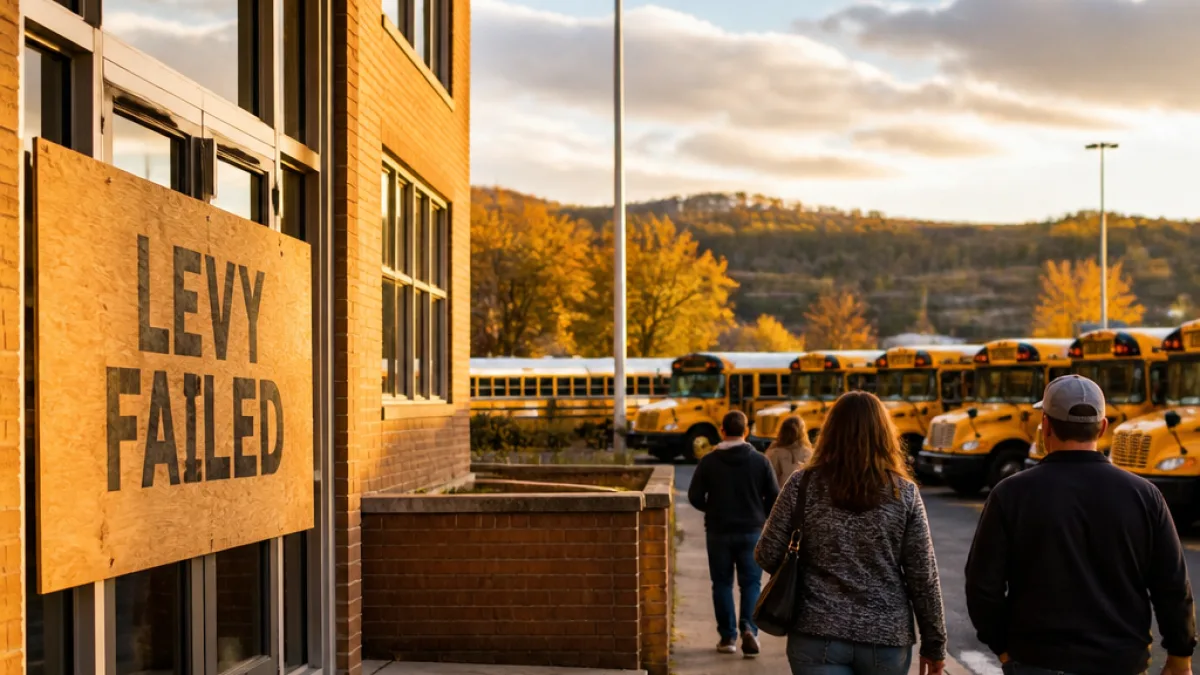
HINTON — Summers County school officials are confronting the immediate fallout from voters’ May rejection of a local school levy, a defeat that leaves the district without an excess levy for the first time since 1979 and spotlights weaknesses in West Virginia’s long-standing education funding system.
The defeated measure would have raised about $1 million a year to support building repairs, student transportation and additional staff. Summers County serves roughly 1,100 students across three elementary schools and one high school, and local leaders say the counseling, tutoring and safety positions once covered by temporary federal funds are now at risk.
What changes for families
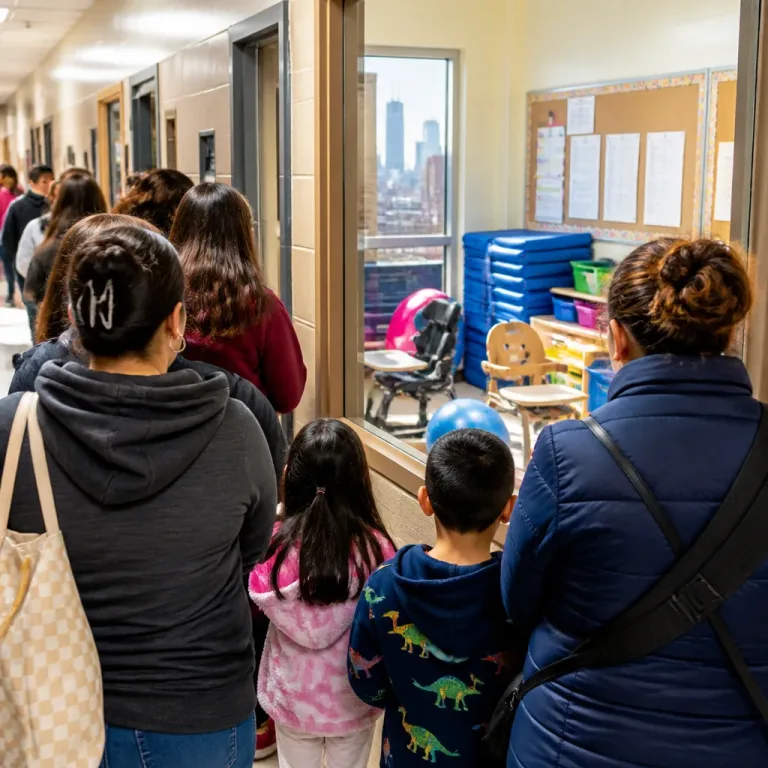
For parents and students, the implications are practical and immediate: fewer after-school programs, limited transportation options for athletes and extracurriculars, deferred repairs to aging buildings and potential reductions in staff that could increase class sizes.
“It’s definitely well known that we don’t have as much money to put into things as a lot of the other schools in the area,” said Avah Meadows, who attended Summers County Comprehensive High School and described older facilities and makeshift transportation for away games during her time as a student.
“It’s definitely well known that we don’t have as much money to put into things as a lot of the other schools in the area.”
Board President Greg Angell said the district relied on about $13 million in temporary COVID-19 federal relief to maintain services such as after-school tutoring and school resource officers. With that funding exhausted, several programs have already disappeared or face elimination.
Why the levy failed — and why it matters
Voters turned down the levy by roughly 80 votes. That margin keeps Summers County on a decades-long streak without passage of an excess levy — the district hasn’t had one since 1979. Local officials argue that the county’s small tax base and elevated poverty — nearly a quarter of residents live below the poverty line — limit the revenue that can be raised locally.
School leaders and community members say West Virginia’s funding formula does not adequately adjust for such differences among counties. As enrollment declines in many rural districts and pandemic-era federal supports vanish, districts with limited local resources face difficult choices about operations, staffing and facilities.
- District size: About 1,100 students across 4 schools.
- Proposed local revenue: Approximately $1 million per year from the levy.
- Temporary support used: Around $13 million in federal COVID-19 relief previously offset costs.
- Poverty: Nearly 25% of county residents live in poverty, reducing local tax capacity.
| Item | Figure |
|---|---|
| Students served | ~1,100 |
| Annual levy revenue proposed | $1,000,000 |
| Federal relief previously used | $13,000,000 |
| Last excess levy passed | 1979 |
Officials elsewhere in the state are watching. Many rural districts across West Virginia report similar pressures: aging school buildings, transportation shortfalls and difficulty retaining teachers and support staff when local revenues are constrained.
Superintendents and county boards will now weigh options that may include program cuts, consolidation discussions or renewed levy campaigns. For Summers County, the immediate task is determining which services can be preserved without the roughly $1 million the levy would have provided.
Residents and parents say they want solutions that protect students’ educational opportunities while recognizing economic realities in the community. The levy loss exposes a broader debate over whether West Virginia’s school funding model sufficiently accounts for disparities in local tax capacity — and what the state’s role should be in ensuring equitable schooling across rural and urban counties.
Colton McRae, News Block.