Federal prosecutors in Columbus announced Thursday that a federal grand jury returned a two-count indictment charging eight men, including a 19-year-old from Danville, Ohio, in an alleged conspiracy to attack a UFC fight held at the White House on June 14.
Alleged plot, methods and targets
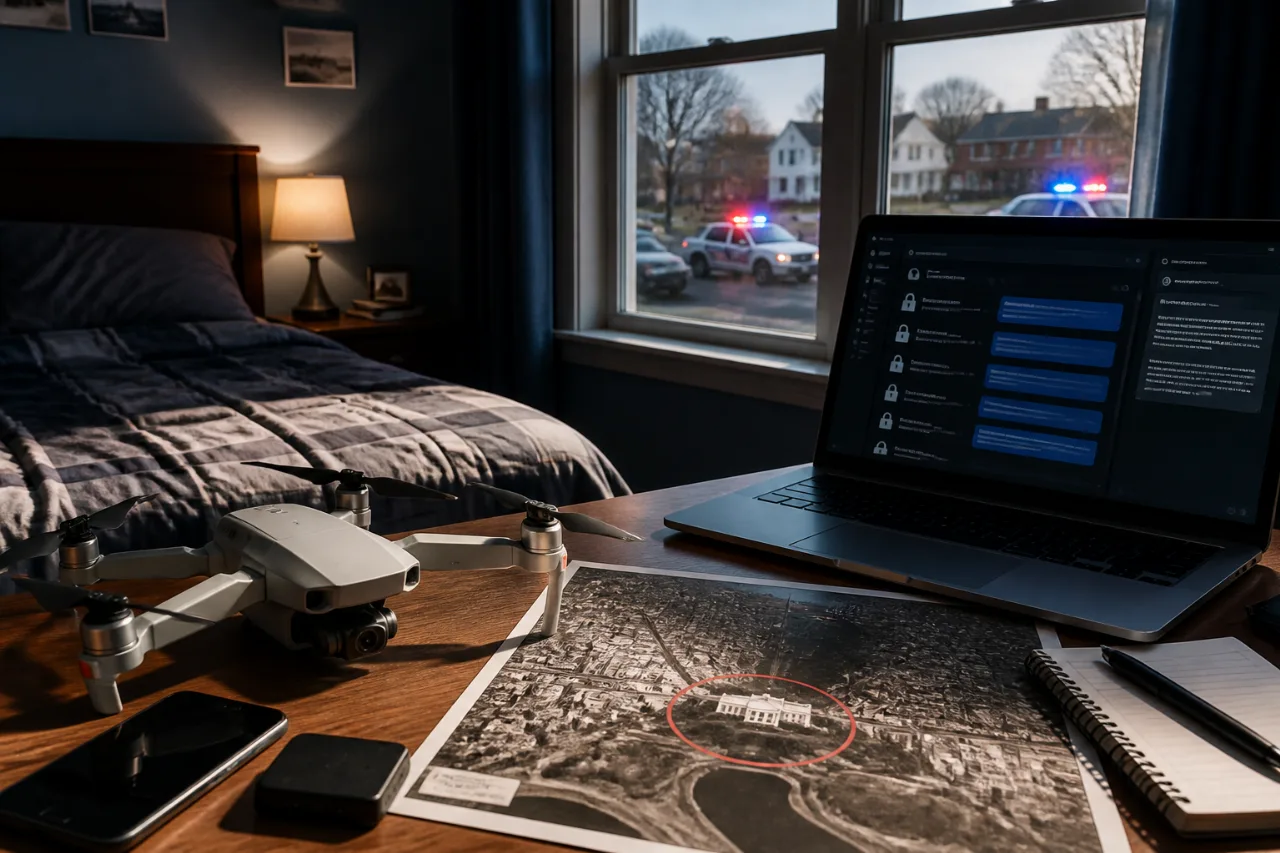
According to court records and law enforcement statements, the group discussed carrying explosives on drones to drop over the crowd at the White House event and then use snipers to fire on people fleeing the scene. The indictment alleges the group targeted President Donald Trump, Vice President J.D. Vance and other officials. Authorities say members used social media and encrypted messaging platforms to plan the attack.
"They allegedly wanted to shoot people running away, with snipers positioned nearby."
Investigators say the probe began in Ohio after the parents of one suspect reported concerns to police. That report prompted a broader federal investigation that involved the FBI and other agencies, ultimately producing the indictment returned in the Southern District of Ohio.
Arrests and next steps
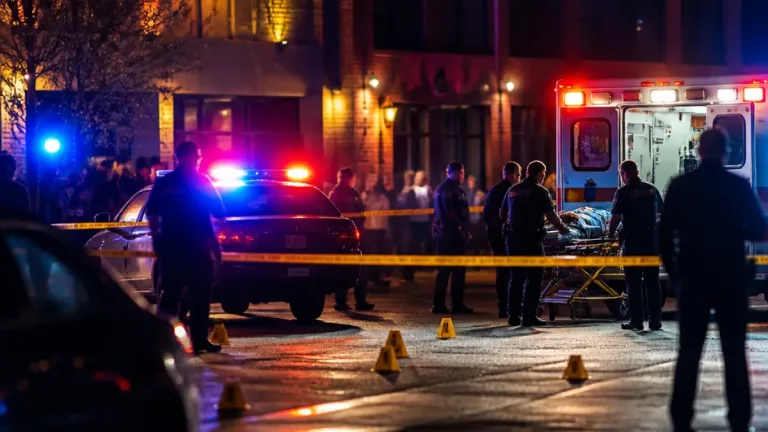
Five suspects were arrested in the days immediately before or on the day of the scheduled fight. The final defendant was taken into custody this week in West Virginia, federal officials said. All eight face charges related to conspiracy to commit murder, and the case will proceed through the federal court system in Columbus.
- Indictment returned: Federal grand jury in Columbus
- Number charged: Eight men, including a 19-year-old from Danville
- Alleged methods: Explosive-carrying drones and coordinated sniper attacks
- Alleged targets: President Trump, Vice President J.D. Vance and other officials
| Item | Detail |
|---|---|
| Event | UFC viewing at the White House, June 14 |
| Charges | Conspiracy to commit murder (two-count indictment) |
| Investigation origin | Initial tip to local police in Ohio by a suspect's parents |
The indictment and law enforcement statements underscore the investigative steps local and federal authorities took after the initial report in Ohio. Federal prosecutors in Columbus will manage pretrial proceedings, and the defendants face the potential for severe federal penalties if convicted.
For residents and local officials in central Ohio, the case highlights how tips to local police can trigger larger federal investigations, and the way online platforms can be used as coordination tools in alleged plots. It also places a local name — the Danville teenager — at the center of a high-profile national security prosecution handled in Ohio's federal courts.
At this stage, the allegations are contained in an indictment and have not been proven in court. Further details, including potential discovery and possible plea or trial dates, will become public as the federal case advances.