Wildlife cameras operating inside the Chernobyl Exclusion Zone recorded changes in animal behavior during the 2022 Russian occupation, a team of researchers reported in the journal Science. The work provides one of the few real‑time ecological records of how armed conflict affects wild animals, showing varied responses across species.
Long‑running monitoring in a radioactive refuge
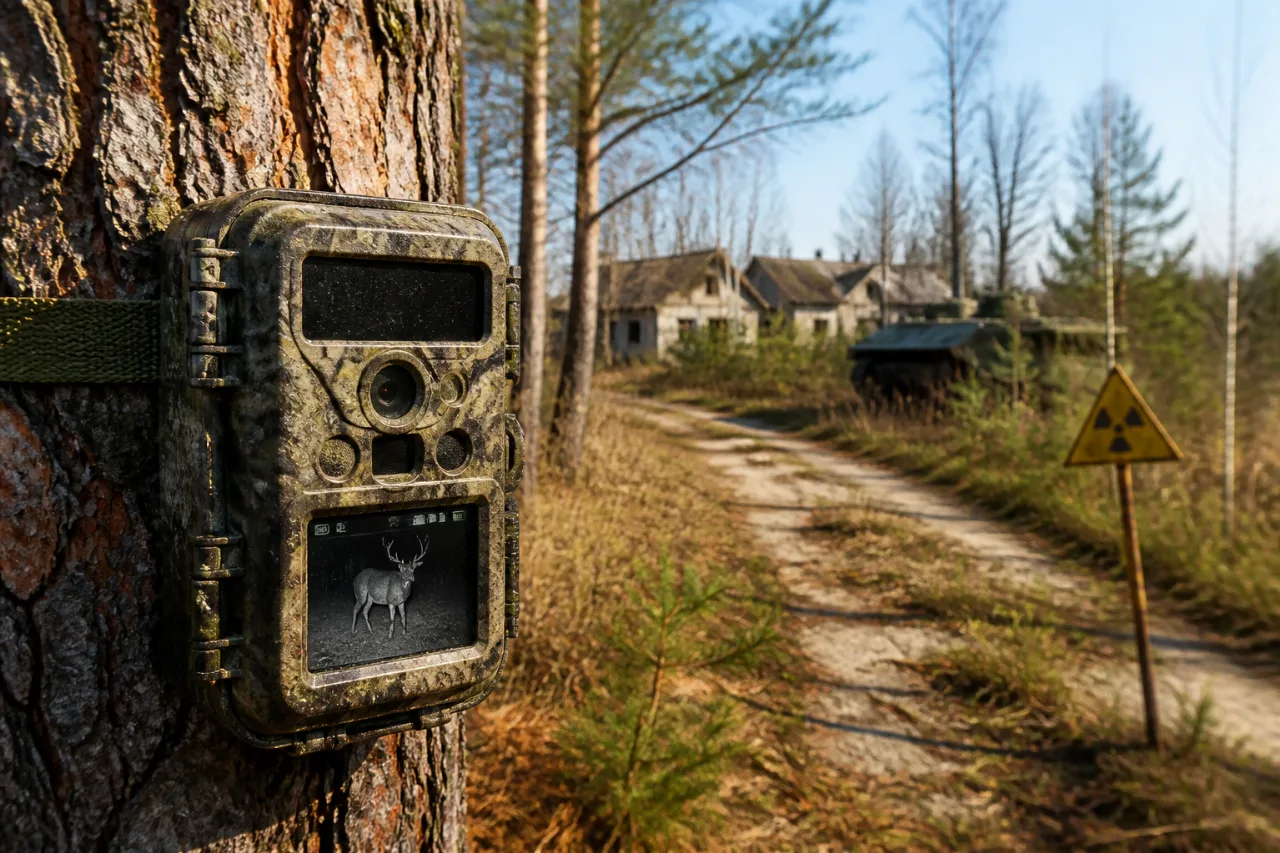
The Chernobyl area, evacuated after the 1986 nuclear disaster, has become an inadvertent sanctuary: forests reclaimed former settlements and populations of large mammals such as gray wolves and Eurasian lynx increased. In 2020, then‑Ph.D. student Svitlana Kudrenko began a camera‑trap survey across the roughly 1,000‑square‑mile exclusion zone to document abundance and diversity.
Conflict arrives, cameras keep recording
When Russian forces invaded Ukraine in early 2022 and briefly occupied Chernobyl, the camera network continued to operate. Analyzing that footage, Kudrenko and colleagues found that the occupation, which lasted just over a month, coincided with measurable shifts in animal activity. Some species showed little change, while others adjusted the timing or intensity of their movements.
“Our results provide insights into how wildlife responds to armed conflict in real time,” said Dr. Kudrenko, who conducted the research as part of her dissertation at the University of Freiburg.
Complex, species‑specific responses
The effects were not uniform: lynx exhibited relatively few behavioral changes, whereas different species of deer altered activity patterns during the occupation. Overall, the study found a mosaic of responses — some animals fled areas of military activity, others reduced movement, and some appeared to take advantage of temporary reductions in human presence.
- Study setting: Chernobyl Exclusion Zone, established after the 1986 nuclear meltdown.
- Monitoring began: Camera‑trap network installed in 2020.
- Conflict period analyzed: Russian occupation in early 2022, lasting just over a month.
- Findings: Species‑specific shifts in activity patterns; lynx relatively unchanged, various deer species altered behavior.
| Element | Detail |
|---|---|
| Monitoring method | Camera traps |
| Area | ~1,000 square miles (Exclusion Zone) |
| Study published | Science |
Because the cameras were already in place when fighting occurred, the dataset avoids many of the retrospective limitations that typically hamper conflict ecology studies. The researchers emphasize that warfare can produce rapid, complex ecological effects that vary by species and behavior, underscoring the value of continuous monitoring.
The findings add to a growing literature on how human conflict shapes ecosystems — not only through habitat destruction and pollution, but via behavioral responses to the presence of armed forces and military activities. For conservationists and managers, such evidence can inform strategies for monitoring and protecting wildlife in conflict‑affected landscapes.
As human‑wildlife interactions continue to change across the globe, studies that capture ecological dynamics during periods of acute disturbance provide a rare window into resilience and vulnerability in wild populations.