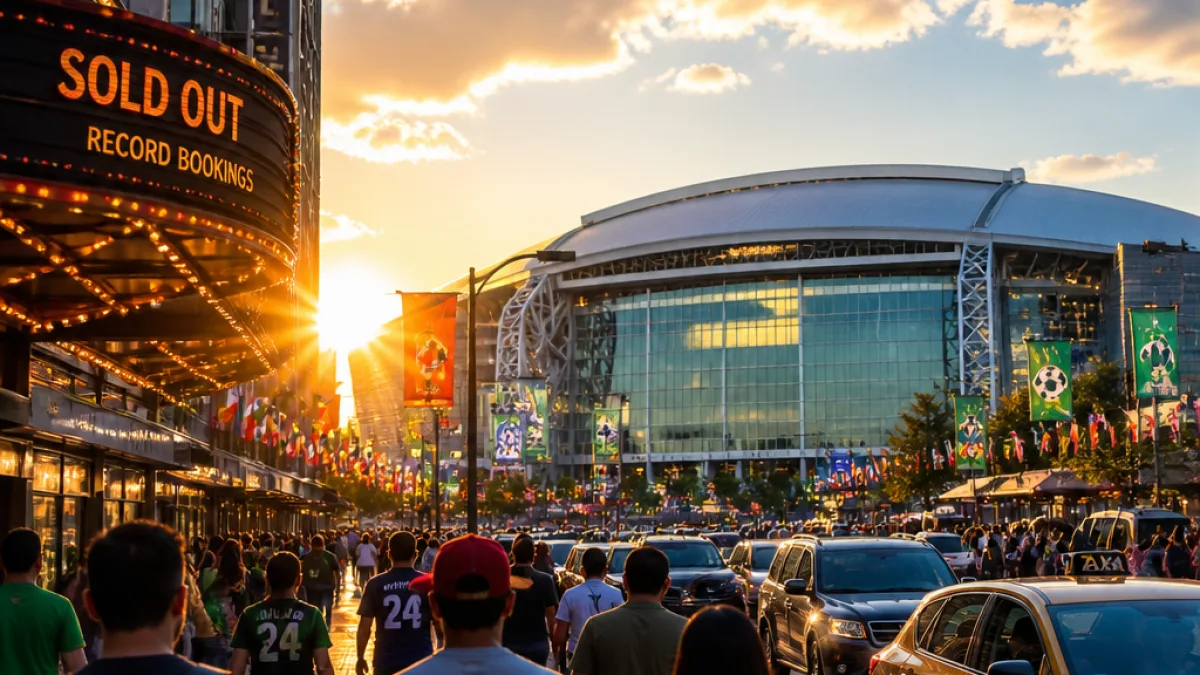
Arlington officials estimate the FIFA World Cup has generated about $160 million in economic activity for the city through the first eight matches, with large gains reported by hotels, restaurants and retail operations tied to AT&T Stadium events.
Record hotel revenue and surging restaurant sales
Mayor Jim Ross said the mayor's office has heard from numerous businesses reporting higher customer volume and sales since the tournament began in Texas. Hotel receipts for June hit a record $31 million, eclipsing a previous high of $23 million, the mayor said.
Brent DeRaad, president of Arlington Convention and Visitors, told CBS News Texas that the estimated impact for each of the first eight matches fell in the range of $18 million to $24 million, adding up to roughly $160 million overall.
- Estimated total impact (first eight matches): $160 million
- Per-match impact range: $18M–$24M
- June hotel revenue: $31 million (previous record: $23 million)
Local businesses: winners and losers
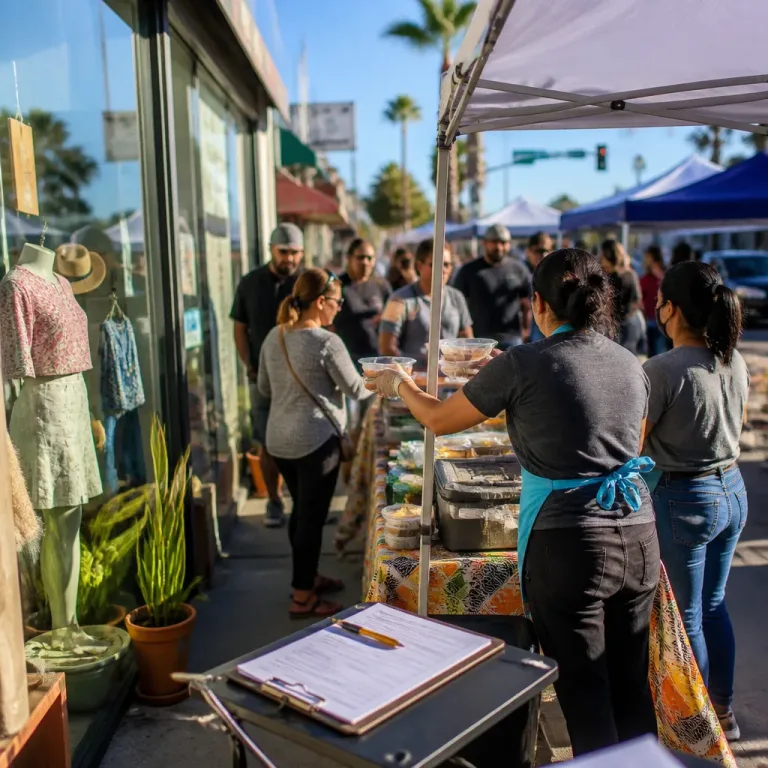
Inside J. Gilligan's Bar & Grill in Arlington, owner Randy Ford described an unprecedented spike in sales since the tournament arrived. The restaurant has even run a shuttle service to help attendees reach the stadium; Ford said roughly 1,300 fans used that shuttle over the first eight matches.
"It's put us on the map. It's just been great, and like four to five times more than our normal sales," said Randy Ford.
But not every small business has profited. Employees at some downtown establishments said their sales fell, with customers avoiding certain areas because of traffic or congestion tied to match days. Kennedy Hopkins, a barista at Daydream Bookstore Cafe, told reporters the cafe had not experienced the uptick many expected.
Longer-term stakes for Arlington and Tarrant County
City leaders are framing the World Cup's value not only in short-term receipts but in long-term exposure that could drive future tourism and conventions to Arlington and Tarrant County. The spike in hotel revenues and concentrated match-day spending supports municipal tax receipts and could affect budgeting for tourism promotion and downtown services.
Still, the uneven distribution of benefits highlights challenges for local policymakers: balancing traffic and public safety during major events, ensuring smaller downtown businesses can access match-day foot traffic, and leveraging global attention into sustained visitation beyond the tournament.
Data at a glance
| Measure | Value |
|---|---|
| Estimated impact (first 8 matches) | $160 million |
| Per-match impact | $18M–$24M |
| June hotel revenue | $31 million |
| Previous June hotel record | $23 million |
City officials said they will release more detailed restaurant sales figures later. For now, Arlington faces the twin tasks of capturing the long-term tourism benefits from the World Cup while addressing the immediate operational impacts that large international events impose on local commerce and transportation.