City broadens registration, maintenance and enforcement for empty downtown spaces
ALBUQUERQUE — Mayor Tim Keller signed a measure this week that expands the city's Downtown Vacant Premises Ordinance, extending registration and upkeep requirements to levels above the first floor and beefing up enforcement for downtown property owners.
"Albuquerque Mayor Tim Keller has signed a new bill expanding the city's Downtown Vacant Premises Ordinance."
The ordinance previously limited its scope to ground-floor vacancies. Under the revised rule, owners of vacant spaces on upper floors now must register those spaces with the city and maintain them to standards set by municipal code.
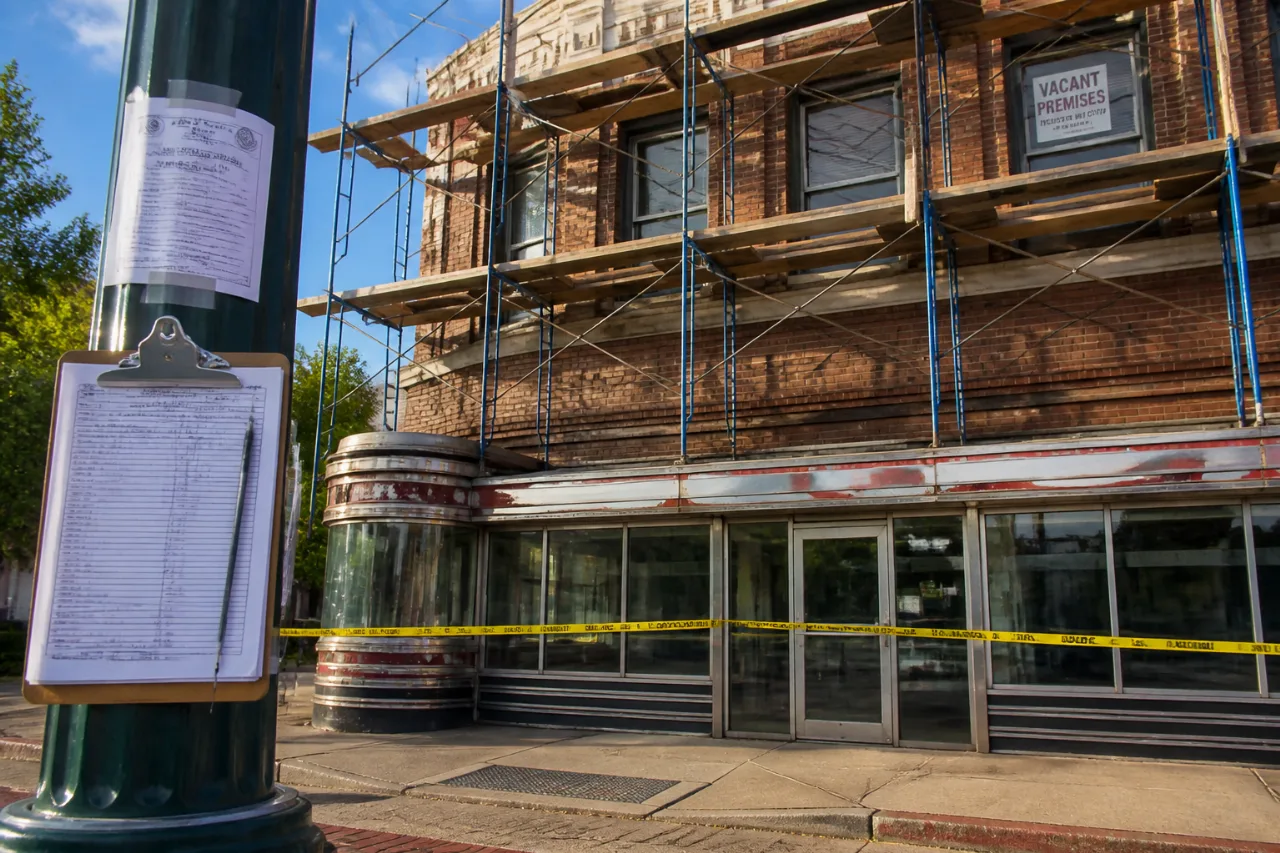
City officials described the change as a direct response to a safety incident in April when a wall fell at Lindy's Diner. At the time of the collapse the second floor of the Bliss Building above the diner was vacant, a circumstance city leaders flagged as a contributing concern.
- Scope expanded: Coverage goes beyond first-floor units to include other floors.
- Maintenance required: Property owners must keep registered vacant premises maintained.
- Enforcement increased: The updated ordinance strengthens the city's ability to ensure compliance.
City enforcement mechanisms were not detailed in the reporting, but the ordinance is described as enhancing the city's power to address neglected properties downtown. The goal is to reduce hazards that vacant, poorly maintained spaces can present to pedestrians, neighboring businesses and the municipal infrastructure.
Local stakes and next steps
Downtown property owners will need to review their holdings and register vacant units beyond the street level to avoid penalties under the new ordinance. The change may prompt building owners to accelerate renovation or reoccupation plans for upper-floor spaces that previously escaped regulatory oversight.
For Albuquerque and Bernalillo County, the expanded rule is intended to protect public safety and to encourage active use of downtown real estate. City leaders tied the timing of the reform to the visible collapse at Lindy's Diner, using the incident to highlight risks associated with unregulated vacant spaces.
| Before | After |
|---|---|
| Registration/maintenance limited to first floor | Registration/maintenance required for other floors |
| Weaker enforcement on upper floors | Strengthened enforcement city-wide downtown |
| Incident prompting change: April wall collapse | Incident involved second-floor vacancy above Lindy's Diner |
The ordinance expands municipal oversight of downtown real estate at a time when cities nationwide are dealing with how to manage vacant commercial space. For Albuquerque, the immediate consequence will be increased administrative duties for property owners and a sharper enforcement posture by the city aimed at preventing structural failures and hazards tied to empty units.
Officials and affected owners will likely turn to the city's planning and code enforcement departments for implementation details and compliance timelines as the new rule takes effect.