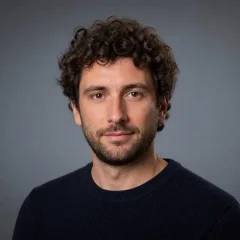
Artificial intelligence is poised to play a central role in the next wave of medical and scientific advances, an AI specialist told journalist David Jiménez on the podcast El Director. Jon Hernández said he is certain AI will produce major therapeutic breakthroughs within the next decade, including the ability to cure cancer.
Claims about the pace of progress
Hernández framed his view around what he described as an era of exponential progress in technology and science. He invoked leaders in the field — including Demis Hassabis of Google DeepMind — as emblematic of a belief among some researchers that AI-powered tools will rapidly accelerate discoveries. Hernández said he expects substantial gains in treating and curing disease over the next ten years.
“I have absolutely no doubt that artificial intelligence will cure cancer,” Hernández said. “None at all.”
He acknowledged uncertainty about whether all diseases could be prevented from developing, but said even if prevention is not achievable across the board, advances are likely to make many conditions curable or effectively treatable within a decade.
Context and consequences
Observers of AI and biomedical research note that machine learning and related methods are already contributing to drug discovery, diagnostic imaging and genomic analysis. Hernández urged listeners to consider historical shifts in medical understanding when assessing claims about future change: practices once considered acceptable — he cited lobotomies as an example — now appear primitive, and the current standard of care may look similarly outdated in a decade.
- Near-term impact: AI tools could accelerate identification of therapeutic targets, streamline clinical trials and personalize treatment plans.
- Uncertainty remains: Predicting precise timelines for cures is difficult because scientific progress depends on validation, regulation, and broad clinical adoption.
- Ethical and policy implications: Rapid advances would require updated oversight, data governance and equitable access to benefits.
Hernández’s remarks reflect a broader debate among scientists, technologists and policymakers about how quickly AI will translate into tangible health outcomes. Proponents highlight already visible gains in areas such as molecular design and imaging analysis. Skeptics caution that translating computational discoveries into safe, effective therapies often takes many years of trials and regulatory review.
How optimistic scenarios might play out
If the most optimistic predictions materialize, AI could shorten timelines for drug discovery, increase the success rate of trials and uncover novel biological mechanisms. That would reshape funding priorities, hospital practices and pharmaceutical pipelines. Conversely, if progress proves slower, the technology will still likely augment research productivity and clinical decision-making, but without the sweeping, near-term revolution Hernández describes.
| Claim | Implication |
|---|---|
| AI will cure cancer within a decade | Radical improvement in treatments, but requires clinical validation and regulatory approval |
| Science will advance more in 10 years than in prior 100 | Accelerated discovery could outpace current norms for oversight and distribution of benefits |
Whether Hernández’s timeline proves accurate, his comments underscore a growing expectation that AI will be central to future scientific progress. That expectation is prompting discussion among researchers and officials about investment, governance and the societal implications of rapid technological change.