What changes for residents: Construction on the long-planned 485-mile Velomont trail has moved into new phases, and project leaders say they are taking deliberate steps to make segments accessible to cyclists with disabilities. The route will connect 27 communities across the state and include overnight huts and hostels.
Adaptive assessments shape new trail work
Organizers are now pairing trail builders with adaptive athletes to evaluate existing single-track and newly built sections for usability and safety. The work is intended to bridge older trail networks, many of which were never designed for three-wheeled or recumbent adaptive bikes, with new construction that accommodates a wider range of users.
"For us, it's not a huge lift to just be mindful when we're trying to build trail or improve trail to think about the adaptive rider," said Angus McCusker, the Velomont trail director with the nonprofit Vermont Huts and Trails.
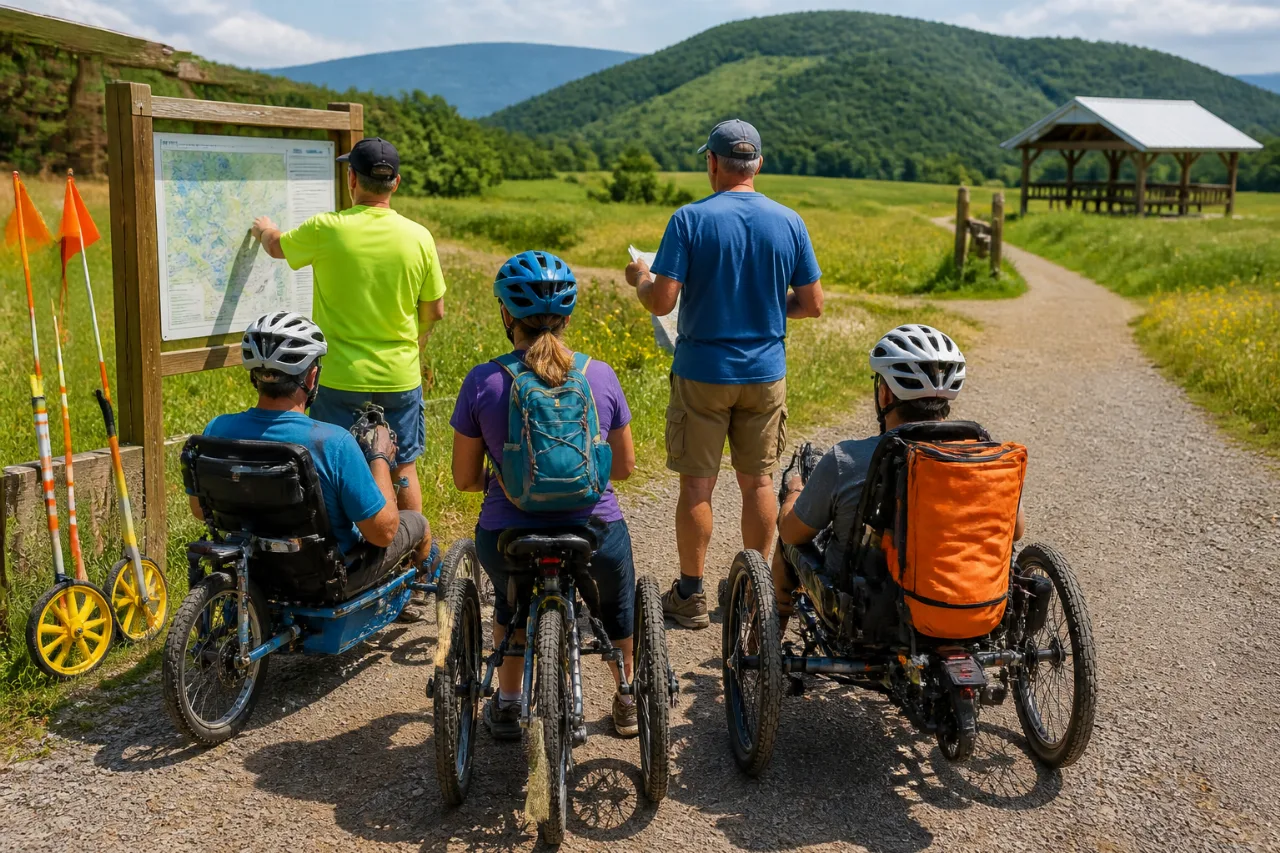
The assessments include hands-on rides on local trails. On June 25, adaptive rider Louis Arevalo of Essex Junction and volunteers including Nick Bennette and Jeff Dickson participated in an evaluation at trails in Randolph. Arevalo uses an electric-powered, recumbent-style three-wheeler and rode sections that vary from compact single track to slightly overgrown paths.
- Trail length: 485 miles when complete
- Communities connected: 27 towns across Vermont
- Features planned: huts and hostels for overnight stays
McCusker and other volunteers said the main challenge is retrofitting or routing around existing trails that present obstacles for adaptive equipment. Where possible, the team conducts what they call "adaptive assessments" to identify narrow passages, steep climbs, or surface conditions that would prevent safe use by larger or differently configured bikes.
Local impact and next steps
Project leaders say the Velomont will knit together existing trail systems with new segments to create one continuous corridor for hikers, mountain bikers and other users. That will have economic and recreational implications for towns along the corridor, where overnight huts and hostels are expected to draw visitors who might stay and spend locally.
Advocates stressed that inclusion does not always mean converting every mile to the same standard. Instead, they plan to be mindful during both new construction and improvements to existing trail where modest design changes can make sections safer and more accessible.
| Item | Detail |
|---|---|
| Current phase | New trail construction and adaptive assessments are ramping up |
| Notable participants | Vermont Huts and Trails, Vermont Mountain Bike Association, adaptive riders |
| Recent site | Randolph town forest — assessment on June 25 |
For residents interested in accessibility work or volunteering, local trail organizations such as the Vermont Mountain Bike Association and Vermont Huts and Trails are coordinating assessments and community input. Organizers say public engagement and careful routing will continue to guide where new construction occurs and how existing trails are adapted.
The Velomont remains an ambitious multi-year undertaking. As construction continues and assessments accumulate, organizers expect to refine design practices that allow people of varying abilities to use parts of the trail system while preserving backcountry character where appropriate.
— Reporting from Randolph and statewide sources