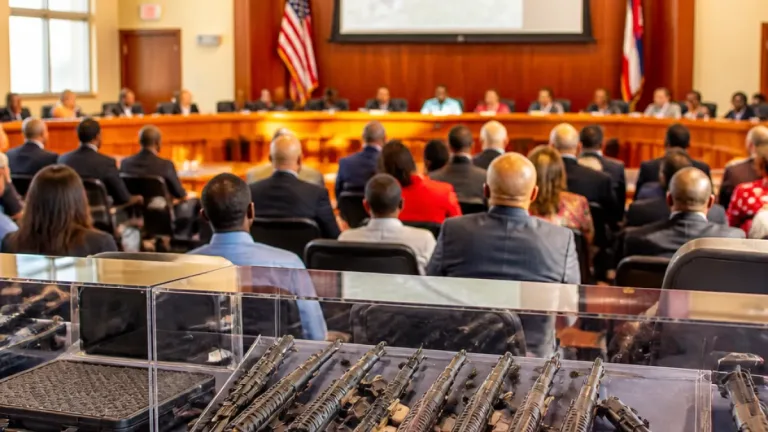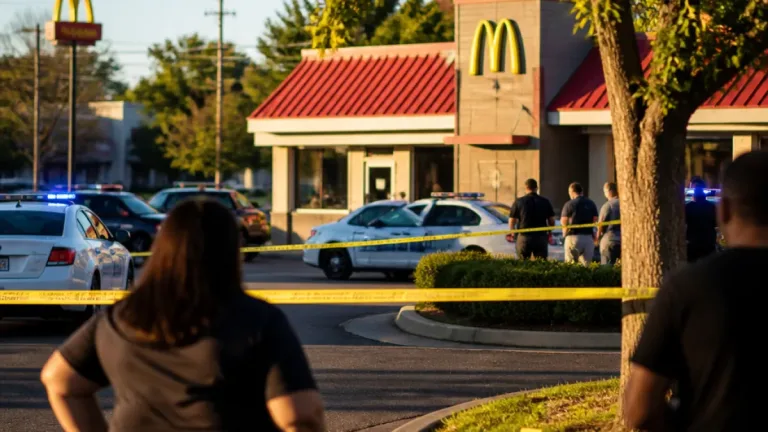
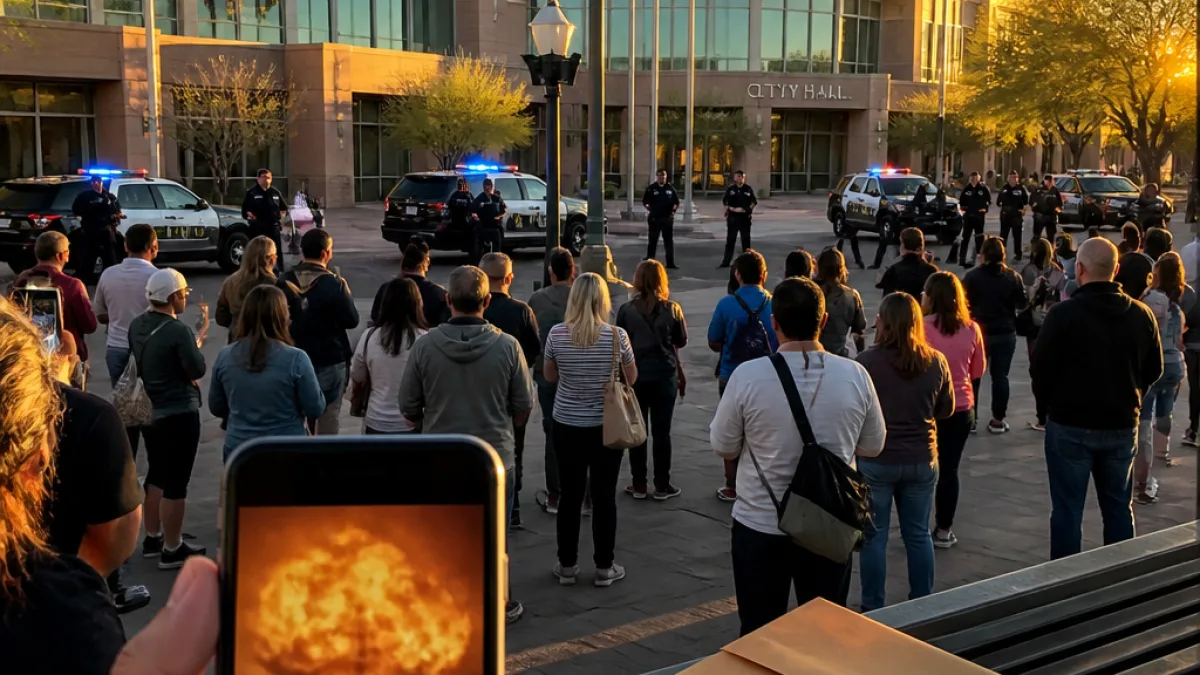
A Tucson woman has filed a civil lawsuit against the City of Tempe alleging that police response to a social media post ruined her life and violated her constitutional rights. The post — a short GIF from the television series "Game of Thrones" showing a character looking out at an explosion — was posted to the City of Tempe's Facebook page as a City Council meeting was beginning and prompted the building's evacuation, according to the court filing and city statements.
What happened
The lawsuit says the GIF was posted in late August and that Council member Randy Keating flagged the item, triggering an evacuation. City officials say nearly 100 people were evacuated and that they treated the post as a potential threat. About a month later, Tempe police went to the Tucson home of the woman identified in the lawsuit, arrested her and conducted a search of her property; she was released the same day.
- The plaintiff is described in court papers as a political operative who has worked on municipal and county proposition campaigns in Pima County and later in Maricopa County.
- Tempe police recommended felony charges, but Maricopa County Attorney Rachel Mitchell declined to prosecute, citing insufficient evidence and a low likelihood of conviction.
- Tempe's official response defended the police actions and emphasized public safety concerns.
"Although the City of Tempe does not litigate pending cases through the media, it is important to explain why our officers responded as they did. Our top priority is keeping the City of Tempe safe."
Local context and broader questions
For Tucson readers, the case raises familiar tensions: how to balance public safety with free speech, and how law enforcement should evaluate social media content in real time. The woman’s work on local proposition campaigns — spelled out in the lawsuit — illustrates how people who engage in civic and political work can find themselves at the intersection of social media scrutiny and police action.
Maricopa County Attorney Mitchell’s decision not to file charges highlights another trend across Arizona: prosecutors increasingly scrutinize whether social posts meet the legal standard for criminal threats before moving forward. That choice can spare defendants from prosecution, but it leaves unanswered questions about departmental protocols for investigations and arrests.
What this means for residents
The lawsuit will test how courts weigh online expressions that alarm public officials against the constitutional protections afforded to speech. For people in Tucson and across the state who use social media in political and civic contexts, the case could influence how officials respond to flagged content and how comfortable users feel when posting strongly worded or provocative material.
The City of Tempe has said it remains firm that the post constituted a threat and that officers acted to protect the public. The lawsuit, however, seeks redress for what the plaintiff describes as damage to her life and reputation stemming from the police response, arrest and search.
As the civil case proceeds, it will be closely watched by local campaign workers, First Amendment advocates and municipal officials who must balance safety concerns with constitutional rights in an era when social media posts can be viewed instantly by thousands and can prompt immediate, real-world consequences.