Federal complaint says GIF post sparked evacuation, arrest and reputational damage
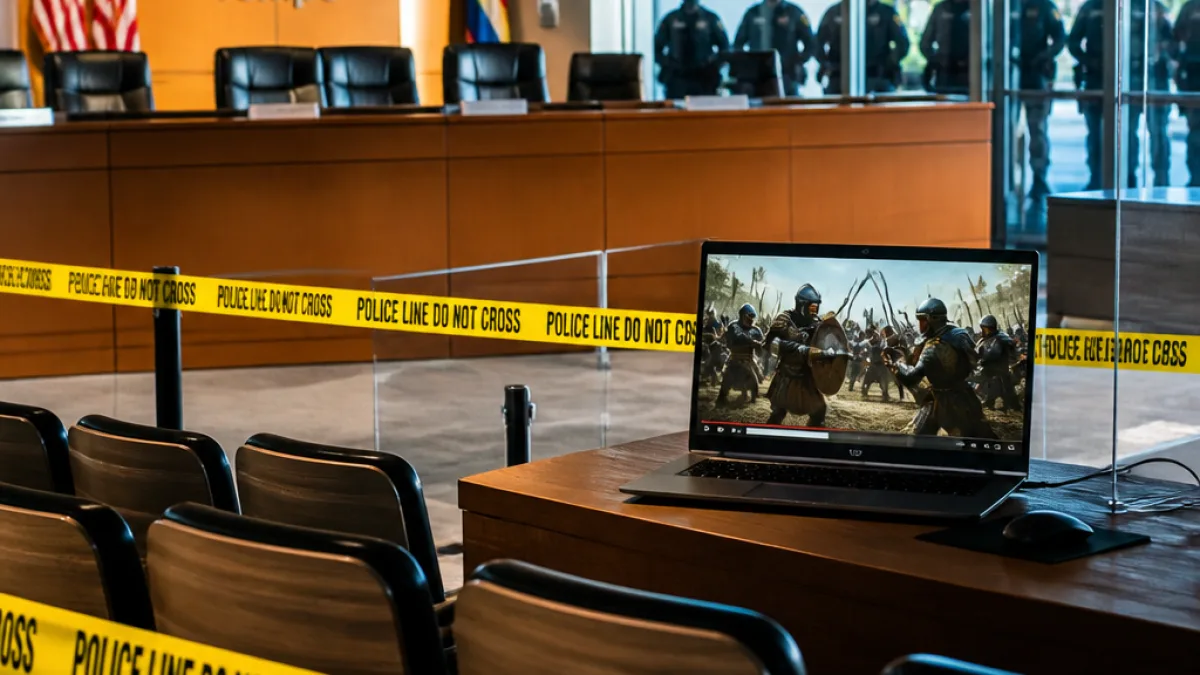
A Tucson woman has filed a federal lawsuit against the City of Tempe, alleging that police action after a social media post violated her constitutional rights and cost her a six-figure public affairs job. The complaint centers on a GIF from the television series Game of Thrones that the plaintiff, Kathleen Tierney, posted as political commentary on Aug. 28, 2025.
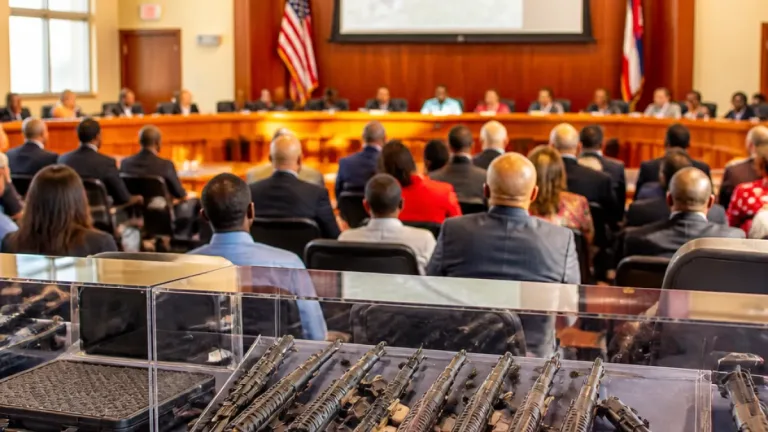
According to the complaint, city officials interpreted the post as an imminent threat. That interpretation led to the evacuation of an estimated 75 people from Tempe City Council chambers and the cancellation of that night's meeting. The suit says Tempe police later arrested Tierney at her Tucson home on Sept. 24, 2025, and that the arrest upended her life.
"Ms. Tierney also suffered substantial emotional distress, anxiety, humiliation, and fear," the complaint reads.
The complaint lists eight claims against the city, including alleged violations of constitutional and due process rights and a count of defamation. It also alleges the city posted Tierney's mugshot online and identified her publicly roughly an hour after her release from custody. The Maricopa County Attorney's Office ultimately did not pursue criminal charges, according to the filing.
Timeline and local impact
Key dates and actions spelled out in the complaint show a compressed sequence of events that Tempe residents and local officials may want to consider when evaluating threat assessments and public-communications practices.
| Date | Event |
|---|---|
| Aug. 28, 2025 | Tierney posts Game of Thrones GIF |
| Same night | Estimated 75 people evacuated from council chambers; meeting canceled |
| Sept. 24, 2025 | Tierney arrested at her Tucson home |
| After arrest | Mugshot posted online; identified publicly; no charges filed |
- Complaint asserts constitutional and due-process violations.
- Plaintiff claims arrest ruined her career in public affairs and caused severe emotional distress.
- City's public handling of the arrest and release is a central allegation in the suit.
This case raises questions about how city law enforcement balances public-safety concerns with protections for political speech. For Tempe officials, the suit spotlights the consequences of treating a symbolic or satirical social-media post as an imminent threat — including the operational costs of evacuations and the reputational costs when arrests become public but criminal charges are not pursued.
As the litigation proceeds in federal court, residents and local leaders will be watching for how the city justifies its response and whether policies for threat assessment, interagency coordination and public notification will change. The complaint frames the dispute as more than one individual's grievance: it is a test of how municipal power, public-safety protocol and free-speech protections interact in a digital age.