A state audit released Monday found that North Carolina has catalogued hundreds of municipal landfill locations used before modern environmental rules took effect, but has left the vast majority without environmental testing or routine monitoring.
Audit tallies gaps in cleanup program
The 111-page report from State Auditor Dave Boliek’s office lists 688 pre-regulatory landfill sites statewide — places where municipal solid waste was disposed of before Jan. 1, 1983. Of those, auditors say 534 sites — or 78% — have never undergone investigation to determine whether they contain hazardous materials or pose risks to nearby communities.
| Measure | Number |
|---|---|
| Identified landfill sites | 688 |
| Sites never investigated | 534 (78%) |
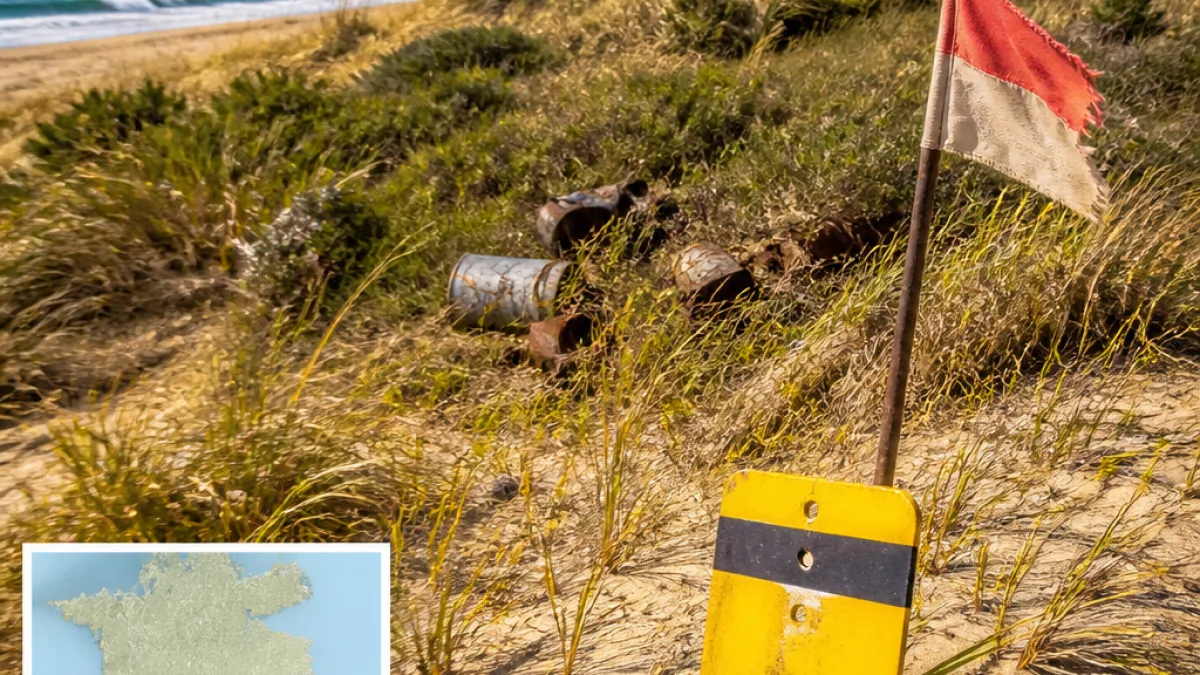
The audit highlights 14 specific sites in four northeastern coastal counties — Dare, Currituck, Hyde and Tyrrell — that may need further review. Among them is a Buxton-area site that auditors ranked among the state's highest priorities for investigation.
“The Pre-Regulatory Landfill Program is a complex issue that creates challenges from a regulatory, legal, funding, and administrative standpoint,” said Boliek. “But the bottom line is there are hundreds of potentially hazardous landfill sites across North Carolina, and despite tax dollars supporting a program meant to investigate these sites, 78% haven’t been examined.”
What the findings mean locally and statewide
State law assigns the N.C. Department of Environmental Quality responsibility for locating, cataloging, monitoring, assessing and cleaning up inactive hazardous waste and disposal sites. Auditors found the program has largely limited its work to compiling an inventory and has not broadly performed environmental testing, groundwater monitoring or routine follow-up.
- Without sampling and monitoring, officials cannot know whether landfills contain hazardous chemicals, medical waste, asbestos, methane or contamination of soil and water.
- Unassessed sites may present unknown risks to residents, private wells, public water supplies, wetlands and coastal waters, particularly in low-lying or flood-prone areas.
- Counties named in the audit — including Dare County and community areas such as Buxton on the Outer Banks — may face pressure to prioritize local testing and remediation planning.
The report stops short of saying every old dump is contaminated or poses an immediate danger. Instead, auditors emphasized the absence of testing leaves state and local officials without reliable information needed to assess hazards and set cleanup priorities.
Next steps and practical implications
The audit outlines the scope of the problem and is intended as an accountability measure, providing taxpayers and policymakers an update on a program funded with public dollars. It puts the onus on DEQ and the legislature to determine resource needs, legal authority and administrative changes required to move from inventorying sites to evaluating them.
For residents near listed sites, the report underlines the importance of routine well testing and community engagement with county health departments and DEQ. Officials have not yet released a statewide schedule for investigations or a cost estimate to evaluate and remediate the untested locations.
The audit raises broader questions about how North Carolina manages legacy waste and protects public health in the face of aging disposal sites. Addressing those concerns will require funding, technical capacity and legal clarity, the report suggests — and, for communities on the Outer Banks and elsewhere, quicker answers about local risks.
News Block will follow developments as officials respond to the audit and as local governments and residents seek further information about sites identified in the report.