
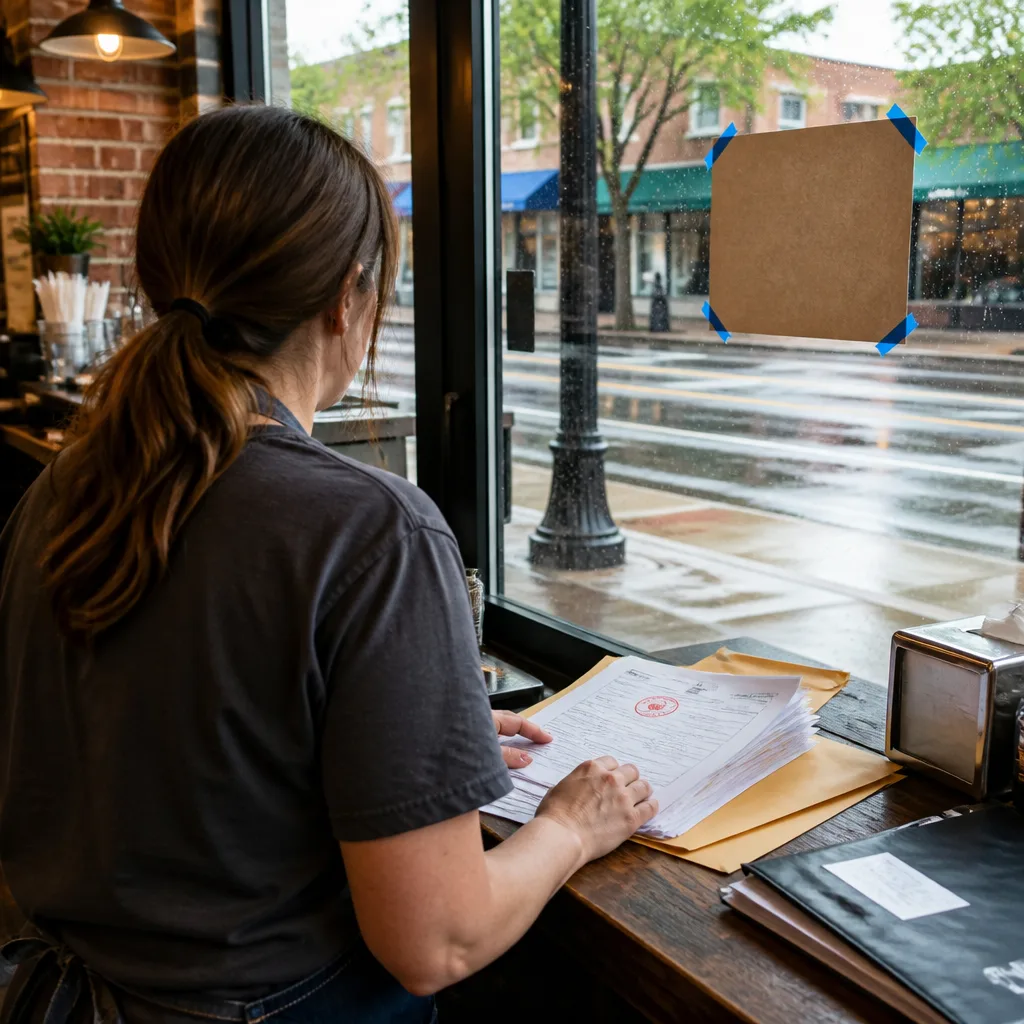
A growing number of small, often immigrant-run, storefront businesses are being hit by lawsuits alleging violations of the Americans with Disabilities Act, leaving owners confused, legally exposed and saddled with potentially ruinous fees.
Targeted suits arrive unexpectedly
Rodrigo Nogueira, who runs No More Cafe in Manhattan’s East Village, learned in April 2025 that he had been sued under Title III of the ADA. He says lawyers reached out to offer services and that the summons listed 35 alleged violations — including one claim that an outdoor table was not ADA-compliant even though the shop had no outdoor seating.
“The [plaintiff] that’s suing me – he’s got 67 cases.”
Nogueira found through public records that the plaintiff and the attorney who filed the suit had pursued dozens of complaints against small retailers and restaurants. The attorney responsible for the complaint against his business has filed more than 100 ADA lawsuits over nine years, according to court records he reviewed.
Costs and consequences for small owners
Many of the businesses being sued opened recently and are immigrant-owned, owners told The Guardian. Faced with federal court procedures, they often cannot afford lawyers: by the time some owners find counsel, they have already spent thousands of dollars on legal fees. Several did not even realize they had been sued until response deadlines had passed.
- Procedural hurdle: Non-lawyers cannot represent companies in federal court, forcing owners to pay for counsel even to file a basic motion to dismiss.
- Financial strain: Upfront legal costs can be prohibitive for recently opened small businesses.
- Pattern of suits: Repeated filings by the same plaintiffs and attorneys suggest concentrated legal activity targeting small storefronts.
Numbers that matter
| Metric | Count (as reported) |
|---|---|
| Alleged violations listed in Nogueira's suit | 35 |
| Cases attributed to the plaintiff suing Nogueira | 67 |
| ADA lawsuits filed by the attorney over nine years | 100+ |
Small-business owners described the process as bewildering and, in some cases, punitive. Many lack familiarity with federal litigation and the resources to respond effectively. The pattern described by those interviewed suggests these suits can cascade across neighborhoods, repeatedly ensnaring new entrepreneurs.
For owners, the immediate impacts are practical and financial: time diverted from running a business, legal bills that erode thin margins, and the risk of default judgments if responses are missed. For the broader economy, persistent legal pressure on nascent storefronts could discourage new entrants and concentrate retail activity among larger firms that can absorb compliance and legal costs.
Policymakers and legal advocates will likely face growing calls to address how ADA enforcement plays out against small businesses — balancing the civil-rights goals of access with procedures that do not disproportionately burden vulnerable entrepreneurs.