Riverside parents may notice more routine lead testing during pediatric visits after local health officials and a regional insurer reported an 11% increase in childhood lead screenings in 2025.
The rise followed an expanded education and outreach partnership between Inland Empire Health Plan (IEHP) and the Riverside University Health System - Public Health Childhood Lead Poisoning Prevention Program (CLPPP). Health leaders said the effort focused on identifying providers with low testing rates and strengthening messaging so lead checks become a routine part of well-child visits.
What changed for families and providers
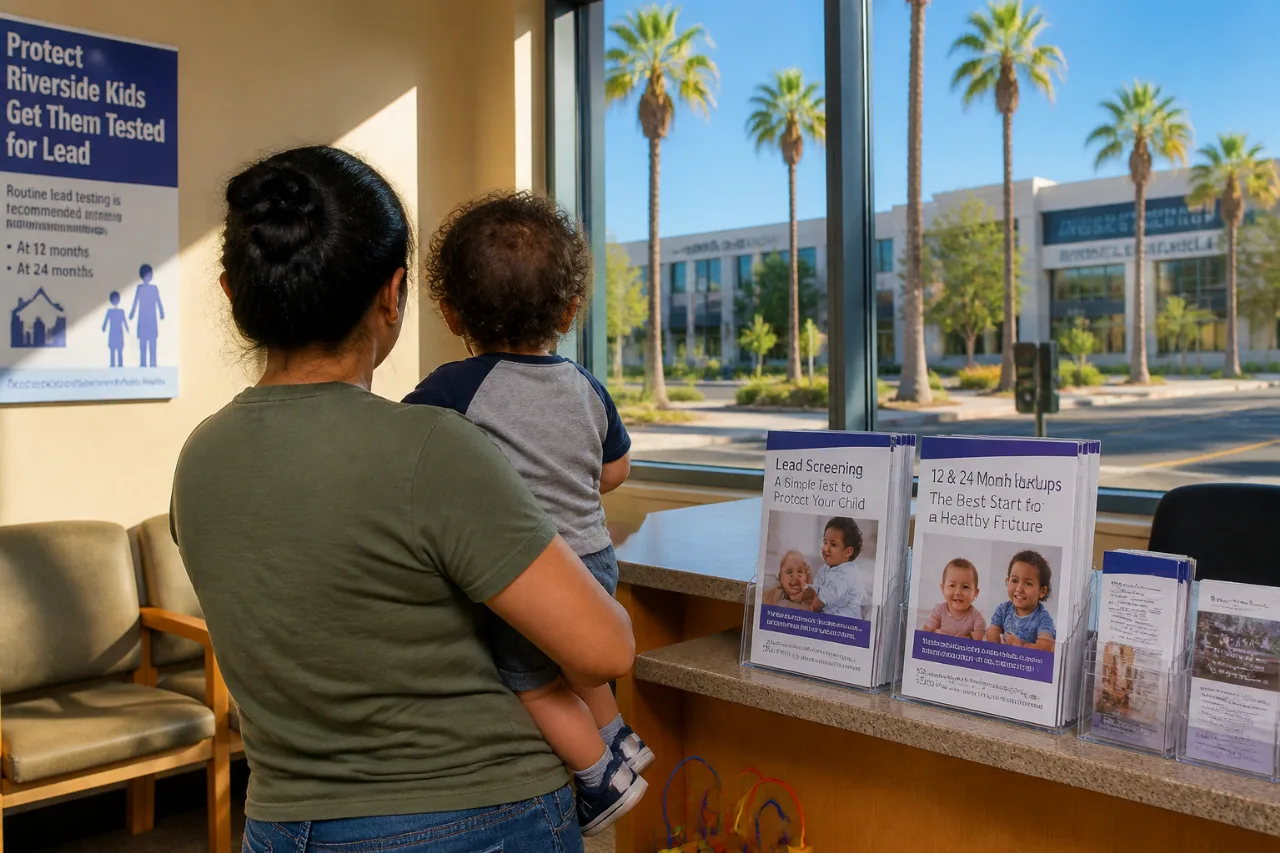
Screenings are recommended at 12 and 24 months, or for children under age 6 who have no previously recorded test. The partnership used Healthcare Effectiveness Data and Information Set (HEDIS) measures to locate care gaps: in 2024, only 58.95% of children in Riverside and San Bernardino counties had received lead testing.
- Targeted outreach and education to providers and clinics.
- Use of HEDIS data to prioritize interventions.
- Efforts aimed at making lead screening routine at pediatric checkups.
Officials said the collaboration increased screenings by 11% in 2025. That improvement represents progress, but county and IEHP leaders emphasized barriers still exist and more work is needed to reach all children.
"Riverside County's CLPP Program was the ideal partner for this work," said IEHP Director of Quality Management Dulce Fernandez. "Not only do they bring expertise in blood lead testing, but our collaboration also helped strengthen relationships across IEHP's network of providers."
RUHS-PH CLPPP Coordinator and Assistant Nurse Manager Evelin Hernandez said the expanded education and outreach efforts were designed to help families understand testing's importance and increase uptake.
"Our expanded focus on education and outreach helps ensure more families understand the importance of testing," Hernandez said.
Riverside County Public Health Officer Dr. Jennifer Chevinsky stressed why screening remains essential.
"Children with lead poisoning often don't show any symptoms right away, so a screening is essential," Dr. Chevinsky said. "Screenings allow us to detect elevated levels early, work with families to find the source and stop exposure before it causes harm."
Local impact and next steps
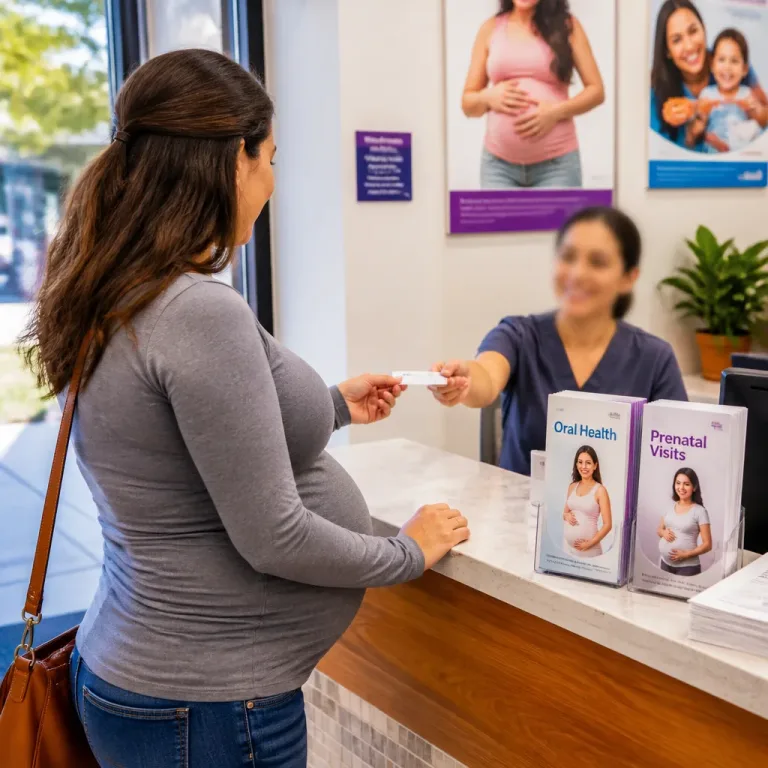
For Riverside families, the change means pediatricians and clinics participating in IEHP networks and county public-health programs are more likely to prompt lead testing during routine visits for infants and toddlers. The initiative could also help public-health teams identify environmental sources of exposure sooner, enabling interventions such as home investigations and remediation guidance.
Officials acknowledged remaining barriers — including awareness, access and follow-up care — and said they will continue to use HEDIS measures and provider outreach to close gaps. Residents seeking more information about lead screening recommendations can contact Riverside University Health System - Public Health or their child's medical provider.
| Measure | 2024 | 2025 (after outreach) |
|---|---|---|
| Children tested for lead (Riverside & San Bernardino) | 58.95% | +11% (relative increase reported) |