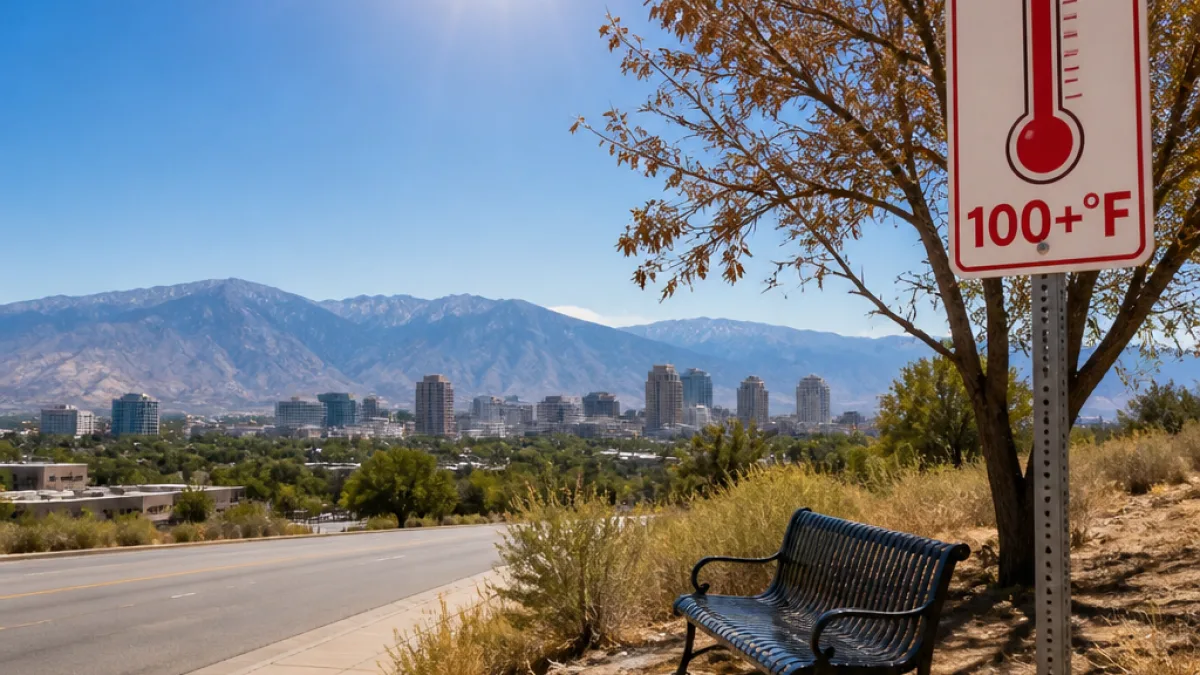
A strong ridge of high pressure will bring the hottest weather so far this year to Utah from Saturday through early next week, forecasters said Saturday. Many valleys are expected to climb above 100 degrees, while parts of southern Utah could approach 110 degrees.
When the heat peaks and what to expect
Temperatures are forecast to peak across northern Utah — including the Wasatch Front and Cache Valley — on Sunday, with several locations in contention to break daily, monthly or even all-time high temperature records. The heat will be prolonged, with daytime highs high and overnight lows staying warm.
Forecasters say many valleys may only cool into the 70s overnight, reducing nighttime recovery from daytime heat and increasing the risk of heat-related illness for people working or recreating outdoors.
Public-safety concerns
Extreme Heat Warnings were in effect for large portions of the state through the weekend and into early next week. The combination of extreme daytime temperatures and warm nights raises concerns for:
- Heat-related illnesses among older adults, young children and people with medical conditions.
- Impacts to outdoor workers and those without reliable access to cooling.
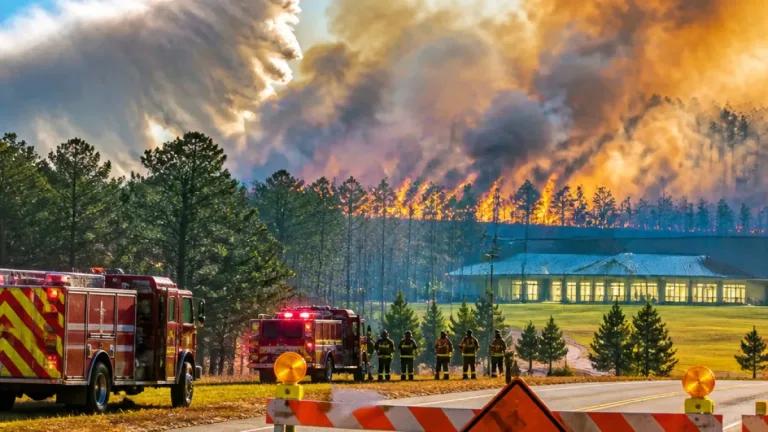
- Elevated wildfire danger, particularly in southern Utah, where the air will remain dry.
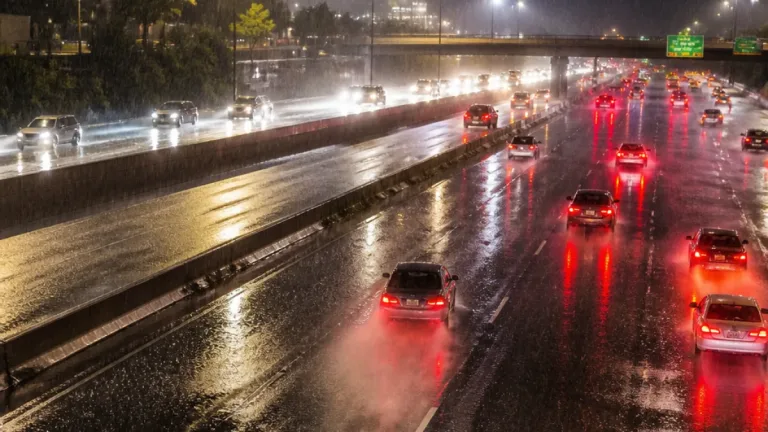
The weather pattern is expected to change next week when monsoon moisture begins to return to the region. That will increase thunderstorm chances and raise the risk of flash flooding, especially across southern Utah.
Regional temperature snapshot
| Region | Expected temperatures |
|---|---|
| Many valley locations (Wasatch Front, other valleys) | Above 100°F |
| Northern Utah (Wasatch Front, Cache Valley) | Peak on Sunday; record-challenging highs possible |
| Southern Utah | Approaching 110°F in places |
| Overnight lows in many valleys | Only cooling into the 70s |
Practical guidance for residents
Health and emergency officials typically advise the following during prolonged heat events. Residents should take these precautions and check local public-health or county resources for cooling options and heat alerts in their area:
- Stay hydrated and avoid strenuous outdoor activity during peak afternoon hours.
- Check on elderly neighbors, young children and people with medical conditions.
- Keep pets and livestock supplied with shade and water.
- Be cautious with outdoor fires or activities that can spark wildfires; the combination of dry air and high temperatures increases fire risk.
- Monitor forecasts for incoming monsoon moisture and possible thunderstorms that could bring flash flooding, particularly in southern Utah.
This heat surge follows a sustained dry pattern. As the ridge breaks down next week, residents should watch for a shift toward more humid conditions and an increase in thunderstorm activity that may bring both relief from heat and new hazards.
— Miles Christensen, News Block