Political fight raises stakes for city coffers and services
The public dispute between Gov. Jeff Landry and New Orleans Mayor Helena Moreno intensified Thursday as the governor demanded answers about the city’s finances and Moreno disclosed she had abandoned a planned request to the State Bond Commission for a $110 million borrowing. The exchange follows the recent indictment of Attorney General Liz Murrill and growing concern among city officials that state authorities could use funding decisions as leverage.
Landry’s letter to Moreno asked pointedly how the city could need $110 million one day and not need it the next. City leaders, however, say the decision to cancel the Bond Commission meeting was driven by the realistic expectation that the commission would not approve the request. Moreno said the city will pursue other ways to get through the rest of 2026 without that state bond approval.
What city officials say and what it means for New Orleans
Moreno framed the move as a pragmatic response to a likely denial. She stressed that canceling the bond hearing does not remove a cash-flow challenge; rather, it forces the city to absorb costs differently in the short term. In a written reply, she said the long-term financing request was meant to spread difficult fiscal decisions over time, allowing more deliberate reductions and avoiding abrupt disruptions to essential services and the municipal workforce.
“The long-term financing request was never intended to avoid difficult decisions—it was intended to spread those decisions over time,” Moreno wrote.
City officials have spent days bracing for retaliation after the grand jury indictment of Attorney General Liz Murrill on 16 counts. Observers in New Orleans—where municipal budgets are tightly stretched—say the dispute elevates uncertainty about services residents rely on, from sanitation and public safety to parks and neighborhood programs.
Immediate implications and political context
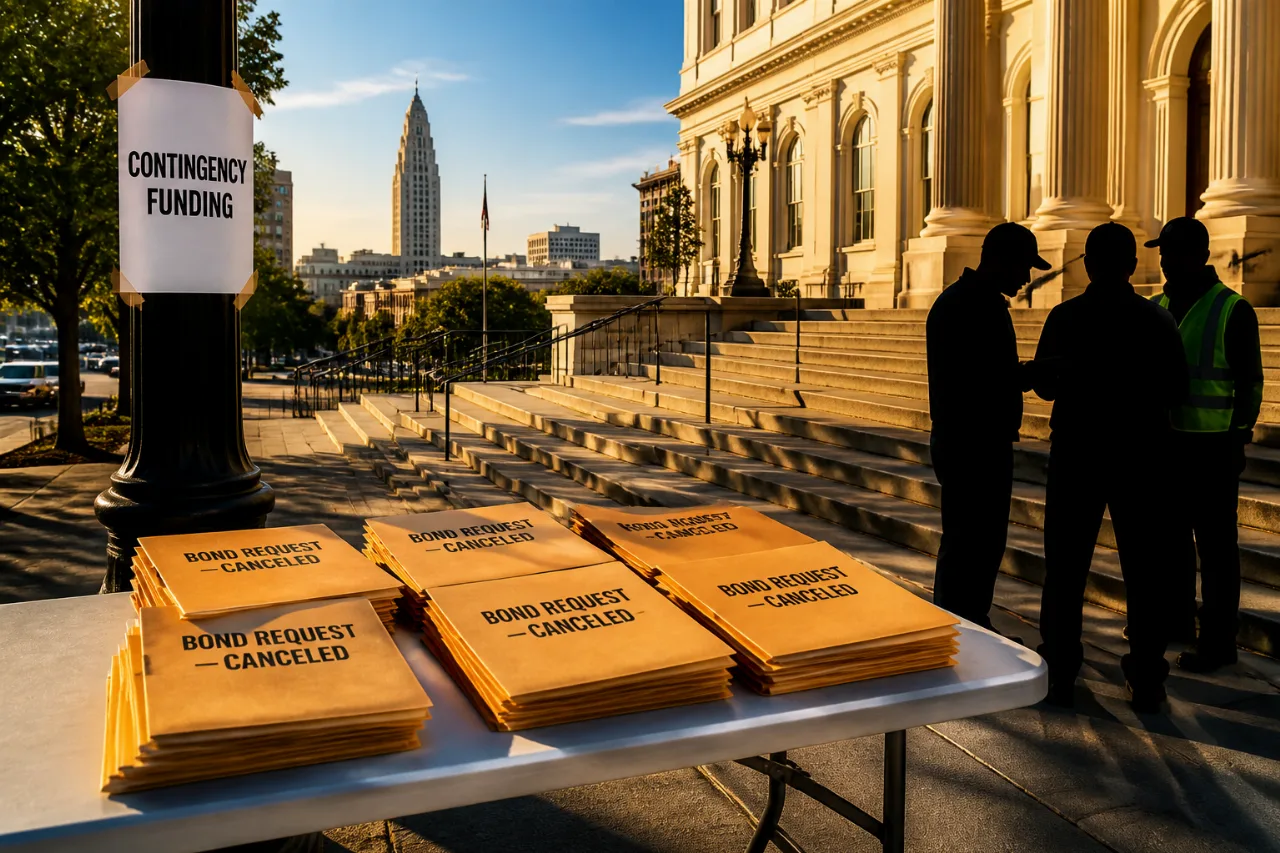
- Bond request canceled: Moreno pulled the $110 million request from the State Bond Commission, saying approval appeared unlikely.
- Alternative funding: The city will seek other financing and make short-term adjustments to cover 2026 operations without the bond.
- Political backdrop: The clash follows the indictment of Attorney General Liz Murrill and reflects broader tensions between the governor’s office and city leadership.
For New Orleans residents, the central question is practical: how will the city maintain services while absorbing the financial hit without long-term borrowing? Moreno said the long-term borrowing plan would have allowed the city to reduce expenditures gradually and limit disruptions to essential services and employees. With that instrument off the table for now, officials must make those adjustments sooner and perhaps more sharply.
Who's involved
| Person | Role | Relevance |
|---|---|---|
| Helena Moreno | Mayor of New Orleans | Canceled bond hearing; leading city response to cash-flow issues |
| Jeff Landry | Governor of Louisiana | Demanded answers about the city's finances; sits on agencies that review bonds |
| Liz Murrill | Attorney General | Recently indicted; close political ally of the governor |
Local leaders say the dispute is not only a power struggle; it has tangible fiscal consequences for neighborhoods still recovering economically. As the summer unfolds, residents will be watching whether state officials follow through on any funding restrictions and how the mayor’s office manages the trade-offs required to keep services running.
New Orleans now faces a period of tightened budgets and heightened political drama. The outcome will shape municipal operations for the rest of 2026 and could set a precedent for state-city relations across Louisiana.