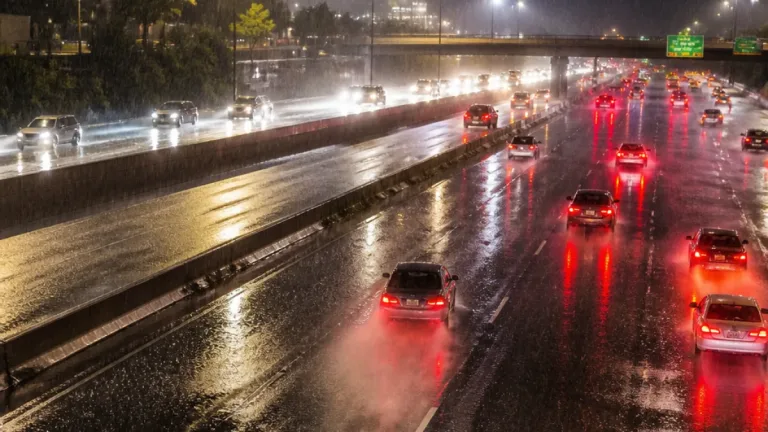
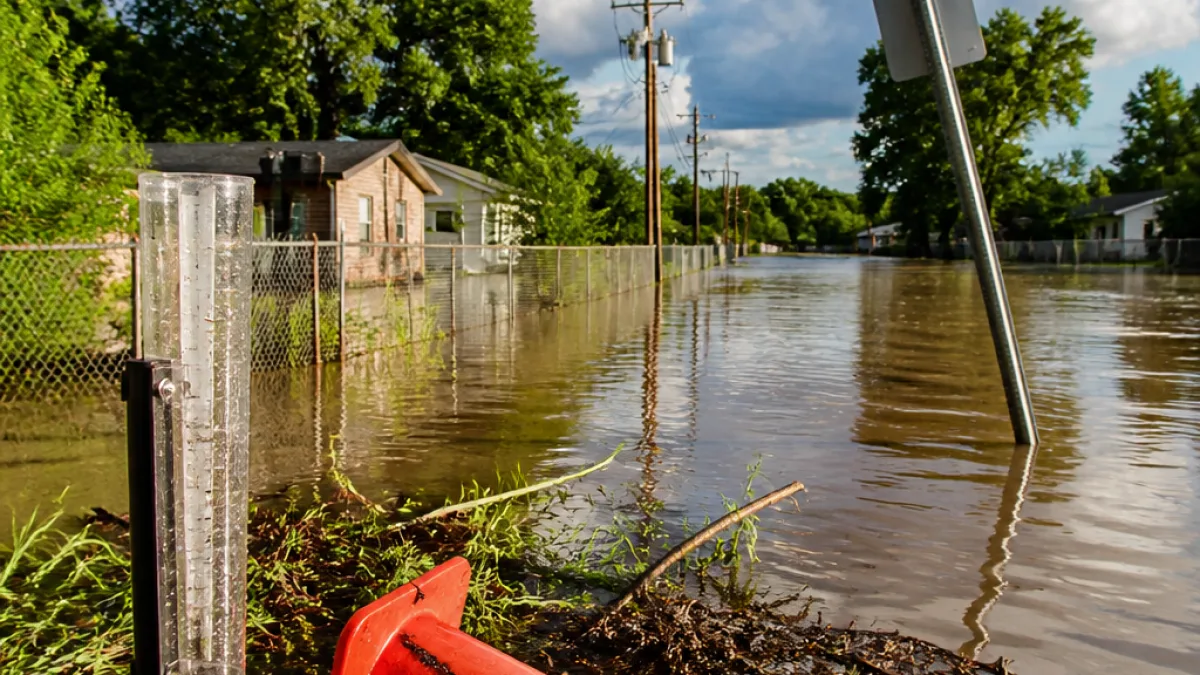
Parts of South Texas that were hit by catastrophic flooding this week have shown a pronounced rise in rainfall intensity in recent decades, federal data and experts say — and the most recent official datasets may still be understating the hazard.
Data revisions and recent storms
The National Oceanic and Atmospheric Administrationupdated its official rainfall dataset in 2018, and that revision increased benchmark rainfall estimates by roughly 30 to 40 percent for areas west of San Antonio, a change larger than in almost any other region of the state. In the last two years, separate multiday storms in this area have been measured in federal models as "1,000-year" rain events, which are given a 0.1 percent annual chance of occurring.
This weekfour-day totals in Uvalde and Sabinal set records and were classified by federal models at that extreme level. A separate flood-producing storm in 2025 that inundated parts of the Guadalupe River also registered as a 1,000-year event, according to the same modeling framework.
What experts say
"This specific area experienced some of the biggest increases compared with previous data," said Matthew Berg, principal scientist for the Houston-based risk management firm Simfero.
Berg, a former water-resources program specialist with Texas A&M AgriLife, said the recurrence of such extreme events suggests the models may be lagging behind evolving conditions and that forthcoming updates to NOAA datasets — which will include the 2025 and 2026 storms — could push assessed risk even higher.
- Scientists say part of the change reflects a refined understanding of historical flood patterns in the region.
- Climate change is contributing to more intense precipitation events, increasing the frequency of extreme, localized downpours.
- Practical impact: higher benchmark rainfall estimates can affect floodplain maps, insurance rates and infrastructure design.
Local and state stakes
For counties across South and Central Texas, more frequent extreme rainers would mean sustained pressure on already stressed drainage systems, roads and river-control structures. Rising intensity in benchmark events also affects how local officials and developers assess flood risk when permitting construction and designing mitigation. Federal datasets such as NOAA's are central to those decisions; if they understate risk, officials may be planning to a standard that no longer matches the reality on the ground.
| Item | Detail |
|---|---|
| NOAA dataset update | 2018 — increased rainfall estimates by 30–40% west of San Antonio |
| Recent extreme events | 2025 Guadalupe River flood and 2026 Uvalde/Sabinal four-day storms classified as 1,000-year events |
Officials responsible for emergency management, infrastructure and land-use planning face decisions about whether to accelerate updates to flood maps, raise design standards for drainage and bridges, and adjust hazard-communication to residents. Insurance providers and property owners in affected counties will also watch for any changes in official risk assessments that can prompt higher premiums or altered coverage.
As NOAA incorporates more recent extreme storms into its datasets, experts expect benchmark estimates for the region to rise further. That prospect underscores a broader challenge across Texas and the nation: scientific models and official standards must keep pace with a shifting climate to give communities accurate guidance for managing flood risk.
Reporting from Uvalde County and state data sources contributed to this story.