The White House initiative to spur public-private AI projects has failed so far to generate broad industry participation, with many large companies and trade groups declining to sign on amid concerns about shifting policy and unclear implementation.
Industry reluctance driven by policy volatility and timing
Leaders of major technology associations and firms privately tell administration officials the program’s value is limited when participation could saddle projects with political baggage. One senior industry official summarized the calculus bluntly:
“It’s not worth the headache and complexity, and it’s not clear there’s much upside to tying those projects to the Trump administration right now.”
That sentiment reflects two related worries: first, that federal actions can change rapidly and unpredictably; second, that those changes can have real consequences for companies’ global relationships and ongoing contracts.
Anthropic order left a mark
Industry hesitation intensified after the administration briefly imposed restrictions on the AI firm Anthropic. Although the administration later reversed the action, executives and association leaders saw the episode as evidence that a future policy shift could abruptly alter the business environment. For companies deploying technology overseas or partnering with non-U.S. entities, that uncertainty raises the specter of sudden compliance risks and renegotiations.
Process complaints and calls for clarity
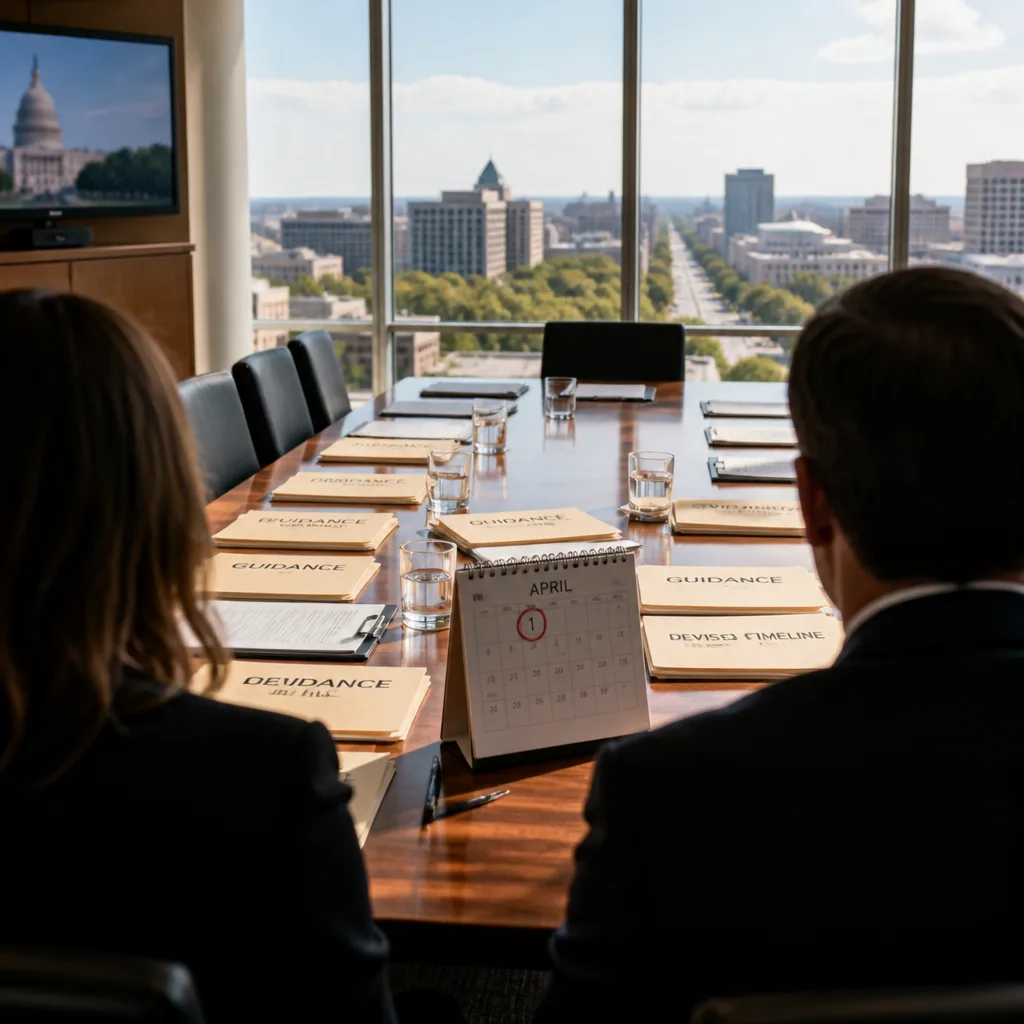
Beyond high-profile policy moves, trade groups expressed frustration with the pace and clarity of the program’s rollout. The administration’s executive order initially set a late-October deadline that passed without a request for proposals. The Commerce Department did not open an application window until April 1. During that gap, a coalition of more than a dozen industry organizations — including the U.S. Chamber of Commerce and the Information Technology Industry Council — asked for more time, saying the initial request for public input covered complex subjects that required deeper consideration.
- Timing: original executive order deadline in late October missed, application window opened April 1.
- Policy risk: temporary restrictions on Anthropic raised fears of abrupt changes.
- Industry response: major trade groups sought extra time and clearer guidance.
| Milestone | What happened |
|---|---|
| Late October | Executive order deadline passed with no request for proposals |
| April 1 | Commerce opened the application window |
The Information Technology Industry Council, which represents large semiconductor and AI-adjacent companies such as Nvidia among its members, publicly welcomed the concept of strengthening U.S. AI leadership but stressed that clear implementation guidance will be essential. Industry groups say they are still awaiting detailed rules on how projects will be selected, funded and governed.
The combination of procedural delays and high-profile regulatory interventions has left the initiative in a precarious position: an idea with strategic resonance but limited immediate buy-in. For policymakers hoping to marshal private-sector resources to secure U.S. advantage in critical AI infrastructure, the near-term challenge will be translating that strategic vision into a predictable, low-risk program that companies can commit to without fear of sudden policy reversals.