Illinois health authorities are tracking a growing outbreak of cyclosporiasis, with statewide cases reported to be above 150 as of July 10, 2026, according to media reports.
What officials are watching
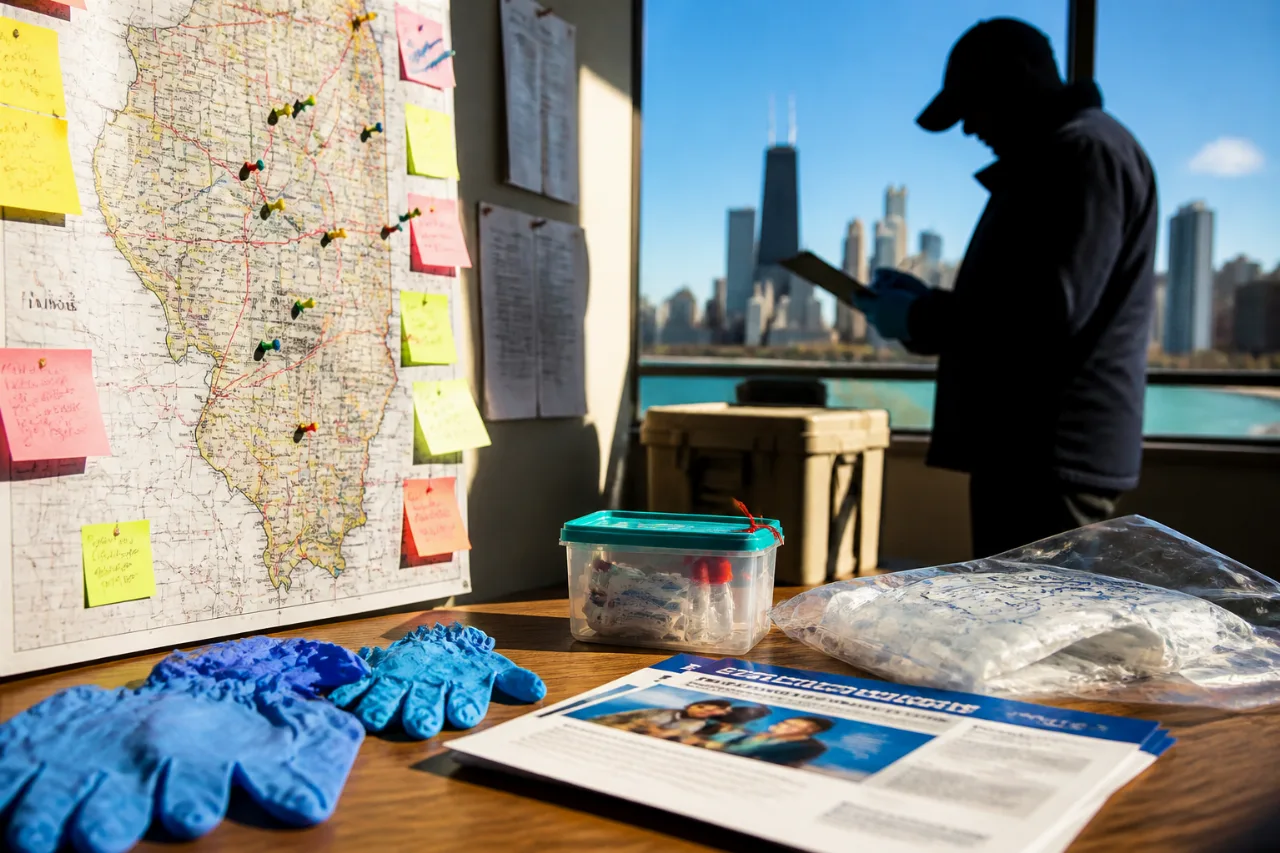
The outbreak, first detailed publicly this week, has prompted heightened attention from local and state public-health teams. Broadly, cyclosporiasis outbreaks are investigated to identify common food or drink exposures and to limit additional illnesses through public guidance and targeted inspections.
Officials typically focus on three key actions when clusters of cyclosporiasis are detected:
- Identifying and interviewing recent cases to determine common food or travel exposures,
- Coordinating with local health departments and food regulatory agencies to inspect implicated establishments, and
- Issuing public guidance on symptoms and when to seek care.
Symptoms, testing and treatment
Cyclospora causes gastrointestinal illness; people commonly experience watery diarrhea and may also report stomach cramps, nausea, fatigue or weight loss. Because symptoms can resemble other intestinal infections, clinicians rely on specialized laboratory tests to confirm Cyclospora infection.
Treatment is available and usually involves a specific antibiotic regimen prescribed by a clinician. People who develop persistent diarrhea or other concerning symptoms should contact a health care provider and tell them about recent travel or possible exposures to fresh produce.
Advice for residents and visitors
Public-health messaging during cyclosporiasis outbreaks emphasizes careful food handling and prompt medical evaluation for symptomatic people. Practical steps to reduce risk include thoroughly washing fresh produce at home and following any specific advisories from local health departments about foods or suppliers under investigation.
Anyone who falls ill after eating at a restaurant, attending a gathering, or traveling should keep track of what they ate and share that information with their clinician or local health department; such details help investigators identify common sources.
| Metric | Value |
|---|---|
| Reported cases in Illinois | Above 150 |
| Report date | July 10, 2026 |
| Source | FOX32 Chicago |
State and local health agencies will continue to update the public as investigators determine any common exposures or issue specific recommendations. Residents with questions about symptoms, testing or food safety should consult their local health department or health care provider.
Grace Kowalski is the Illinois correspondent for News Block, covering public health and community issues across the state.