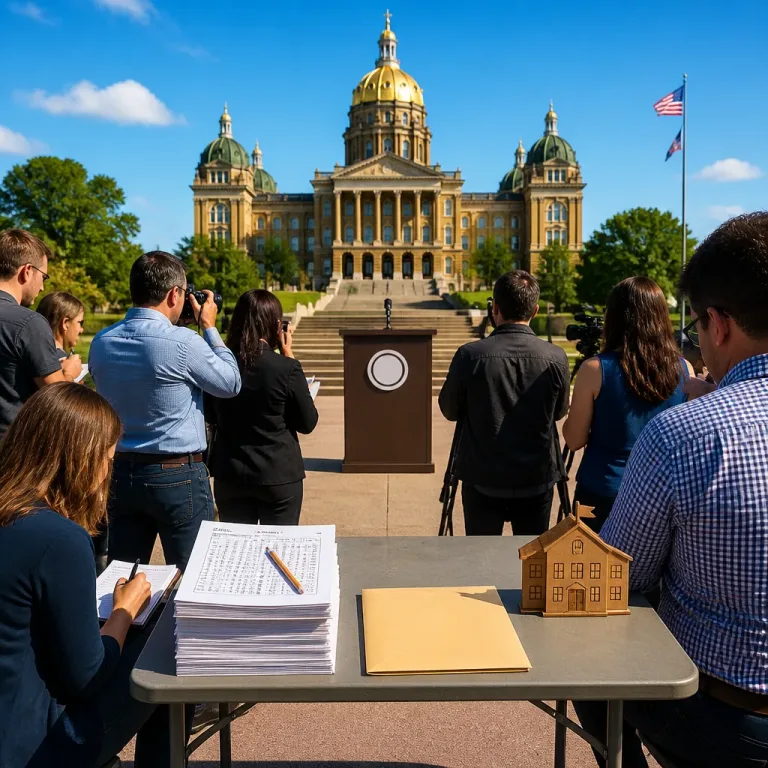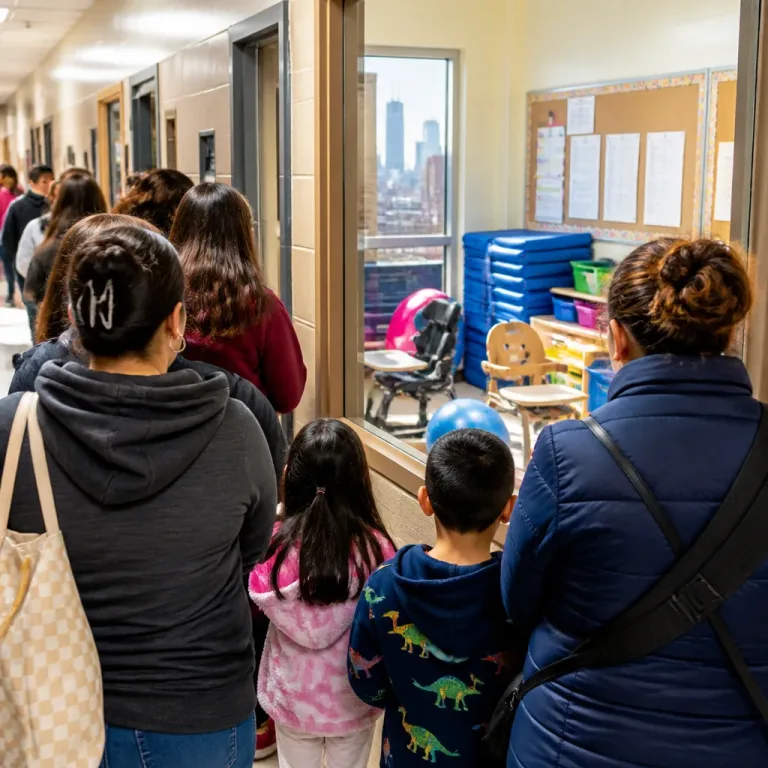
West Virginia education leaders and community advocates are sounding alarms about a funding system they say is driving closures and financial strain in public schools across the state. Stakeholders told BBG Civics Live that an antiquated school aid formula and enrollment losses are undermining districts’ budgets and threatening more shutdowns.
What officials are saying
Pastor Matthew J. Watts of Grace Baptist Church in Charleston, who hosted the BBG Civics Live episode focused on the issue, described the problem as a direct result of how state dollars follow students out of public schools. He said when families remove children from the public system — by enrolling in private, charter, religious schools or by home schooling — the funding that once supported those students is taken from public districts.
“The crisis has to do with the school aid formula, and how every time a student is removed from public education … monies are taken away from the public school as the student population declines,” Watts said, arguing the formula “hasn’t been updated since the 1980s.”
Scale and immediate consequences
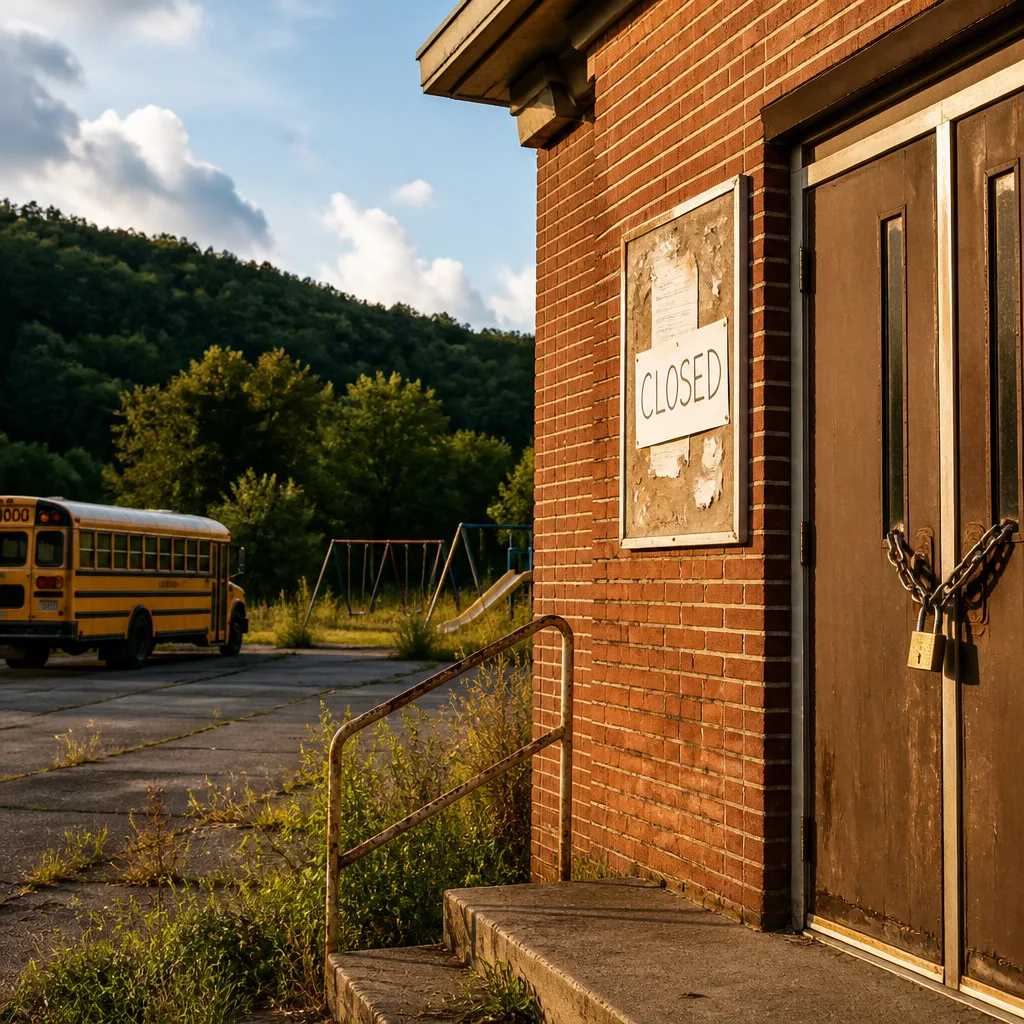
Advocates pointed to recent closures as evidence of the pressure facing districts. Fourteen public schools closed at the end of the 2025–2026 school year, and some estimates cited during the discussion put the number of schools that could close in the coming year as high as 20. Leaders also warned that some counties are approaching insolvency and may be unable to meet basic obligations, a situation that intensifies concerns because public schools often serve as a major economic anchor in many West Virginia counties.
How West Virginia funds its schools
The state’s public school system is supported primarily by state and local revenue, with federal funding supplying a smaller but significant share. As reported by the West Virginia Center on Budget and Policy analyst Tamaya Browder, federal dollars account for roughly 20% of a district’s operating budget, while the state’s Public School Support Program — commonly referred to as the school aid formula — is supposed to determine funding based on the cost of required resources and student enrollment.
| Funding source | Role |
|---|---|
| State and local | Primary source of public school funding |
| Federal | Secondary; about 20% of district operating budgets |
What families and communities should watch
For parents and community members, the immediate consequences of school closures include changes to where children attend, potential longer commutes, shifts in staffing and disruption of programs. County finances are also at stake: where schools are major employers and community centers, closures can ripple through local economies.
Policy discussions now center on whether to update the resource-based school aid formula — the mechanism that allocates state funding based on estimated costs and student counts — and on how to stabilize district finances amid declining enrollments and alternative schooling options.
- 14 public schools closed after the 2025–2026 school year.
- Advocates estimate up to 20 additional public schools could close in the coming year.
- Federal funding makes up roughly 20% of district operating budgets; the remainder comes from state and local sources.
The conversation on BBG Civics Live framed the issue as both a technical funding problem and a broader policy choice about the role and support of public education in West Virginia. Any potential changes to the aid formula would require legislative action and careful evaluation of how shifts in funding would affect rural and urban districts differently.
For families, educators and county leaders, the coming months are likely to determine whether additional closures occur and how the state addresses long-standing questions about how it distributes education dollars.