New model frames children as active members of living systems
An educational approach focused on ecosystems and place-based experience is gaining attention as an alternative to traditional, test-focused schooling. Grounded in outdoor play, storytelling and hands-on activities, earth-centered ecological education treats children as participants within the environment rather than passive recipients of facts.
Core practices and classroom rhythms
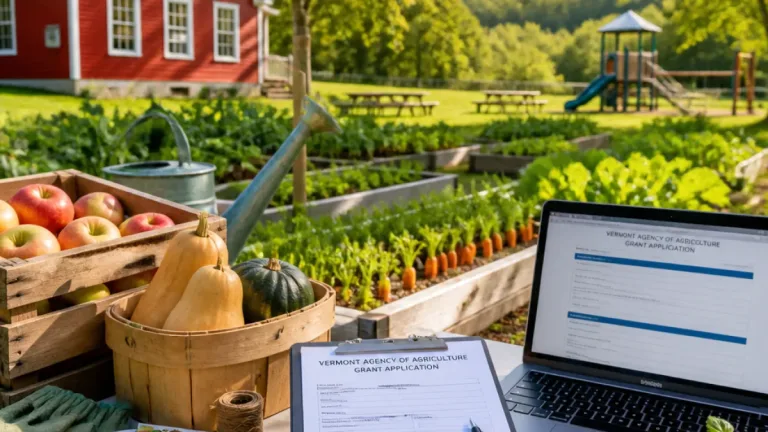
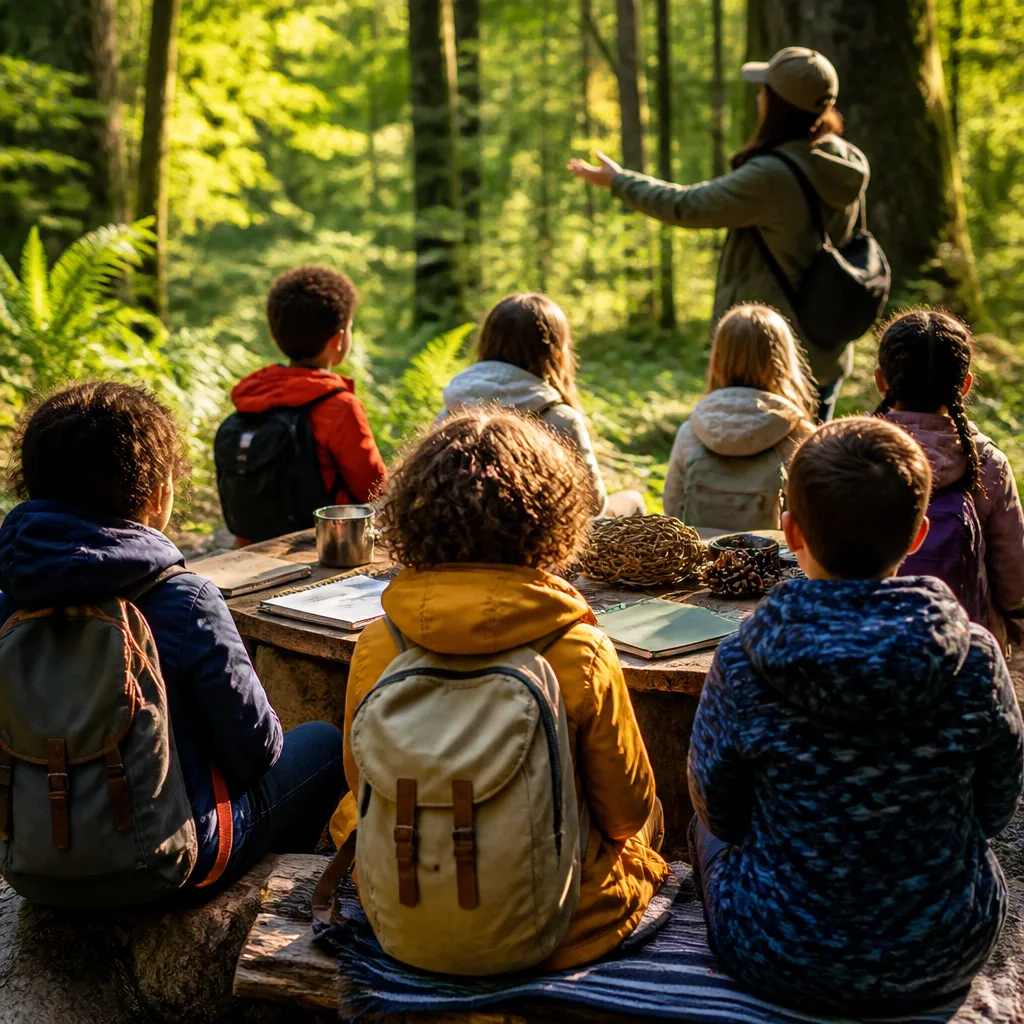
Class sessions typically begin with routine rituals that orient children to themselves, one another and their surroundings. Time in a forest, at a creek or in a garden is used for observation, skill-building and open-ended projects such as shelter-building or nature journaling. Teachers act as guides, offering prompts and support while allowing curiosity to steer the day.
- Relational learning: Knowledge arises from interactions with people and the more-than-human world.
- Free play and choice: Children decide how to engage, enabling intrinsic motivation.
- Process over product: Growth is seen as gradual and context-dependent, not reduced to test scores.
Principles laid out
Advocates describe several guiding ideas that distinguish this approach from conventional schooling:
| Principle | What it means in practice |
|---|---|
| Participation in ecosystems | Children engage directly with living systems rather than only studying them conceptually. |
| Relational pedagogy | Learning emerges through relationships — among peers, guides and the land. |
| Emphasis on process | Activities value exploration and reflection instead of fixed benchmarks. |
Where this fits in today's education landscape
Proponents present the approach as an alternative to systems that prioritize standardization, indoor classrooms and measurable outputs. For families and educators considering options, the model offers a slower, observation-based rhythm designed to cultivate curiosity, resilience and a sense of belonging in natural settings.
Implications for parents, teachers and districts
Adopting elements of earth-centered learning can mean changes to scheduling, assessment and staff roles. Schools that try these methods often create predictable check-ins, longer blocks of outdoor time and evaluation tools that capture growth in social-emotional skills, inquiry and ecological understanding rather than relying solely on standardized tests.
For parents, the method reframes success: it values children’s capacity to ask questions, form relationships and develop practical skills alongside academic knowledge. For administrators, the model raises considerations about training, liability, and access to outdoor spaces.
As districts and families weigh educational choices, earth-centered ecological education offers a distinct philosophy: education as a lived, communal process rooted in attention to the natural world.