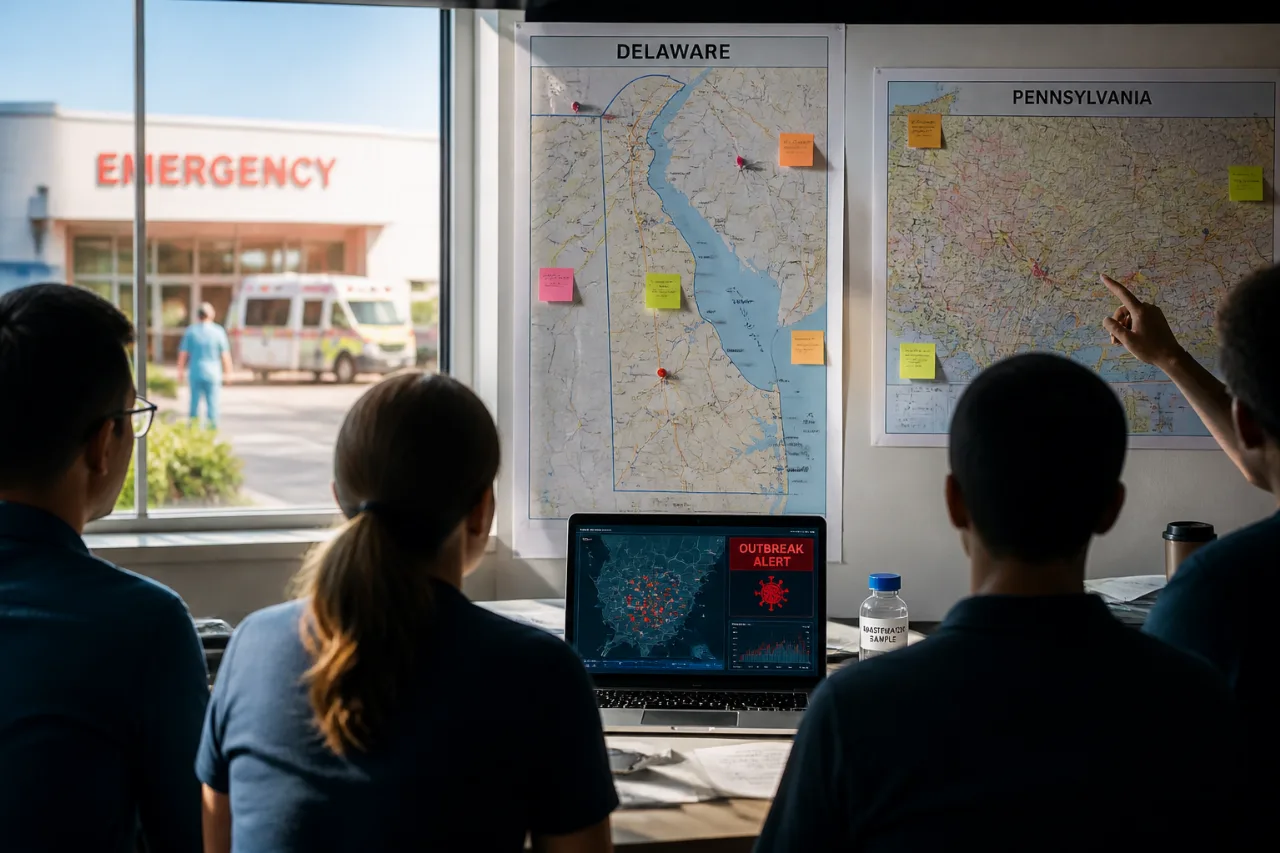
Delaware health officials say they are watching closely after a surge of measles cases in Pennsylvania and recent signals that the virus has touched parts of the First State. As of July 9, the Delaware Division of Public Health had not confirmed any measles infections in the state, but officials describe the situation as precarious.
Why officials are worried
Dr. Ayanna Buckner, chief physician in the Division of Public Health’s Office of Epidemiology, pointed to Delaware’s proximity to outbreak sites and earlier local exposures as reasons for concern. The state has already recorded two recent alerts this year: an unvaccinated out-of-state patient who sought care at the Nemours Children’s Hospital emergency department in February, and the detection of measles material in a Lewes wastewater sample in April.
“Infectious diseases don't care about state borders.”
Buckner told reporters, “We do feel that our Delaware community is at high risk,” and added that public health investigators are focused on measles this summer.
Outbreak numbers and geography
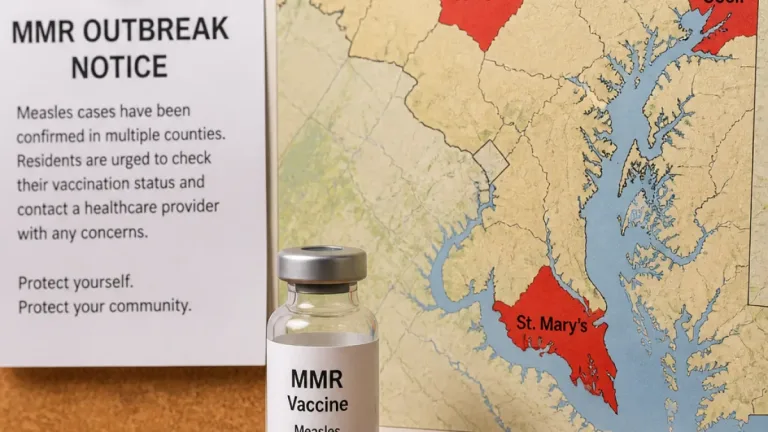
Pennsylvania reported 101 confirmed measles cases as of July 8, up from 94 on July 6. The cases are concentrated in a few counties:
- Lancaster County: 60 cases for 2026 total, including 52 reported since late April
- Lebanon County: 20 cases
- Chester County: 4 cases since April; Chester borders Delaware
| County | Confirmed cases (2026) |
|---|---|
| Lancaster | 60 |
| Lebanon | 20 |
| Chester | 4 |
While Lancaster and Lebanon counties do not border Delaware, the presence of cases in Chester County — which does share a border with the First State — underscores why Delaware officials are keeping a close watch.
What Delaware is doing
State public health teams have conducted contact tracing and notifications tied to the February hospital exposure, and they continue routine surveillance, including wastewater monitoring that first flagged measles material in April. Buckner said the division issues health alerts when investigations identify the potential for local spread and that public-health resources are focused on limiting transmission.
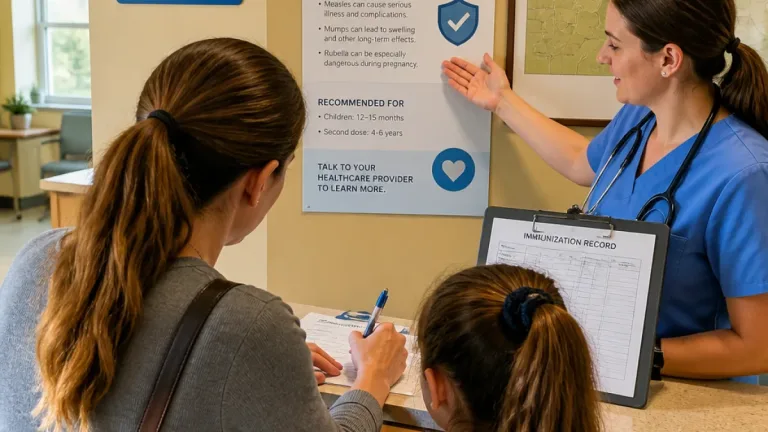
Officials are urging residents to check vaccination status and to follow guidance from health providers. Measles is highly contagious, and public-health responses typically rely on rapid identification of cases, contact tracing and vaccination campaigns when appropriate.
What residents should know
- If you or your child has not completed the measles-mumps-rubella (MMR) vaccine series, contact your health care provider or local clinic.
- Parents should keep children with fever and rash at home and seek medical advice before visiting emergency departments or clinics to reduce risk to others.
- Watch local health department alerts for exposure notices and instructions on testing and quarantine when cases are identified.
Buckner emphasized that Delaware’s small size and frequent cross-border travel mean disease threats in nearby states can quickly become local concerns. “We spend so much time doing investigations around infectious diseases, and measles is the one that we are on pins and needles about this summer,” she said.
The Division of Public Health continues to monitor wastewater results and clinical reports and will notify the public if any confirmed cases emerge within Delaware.