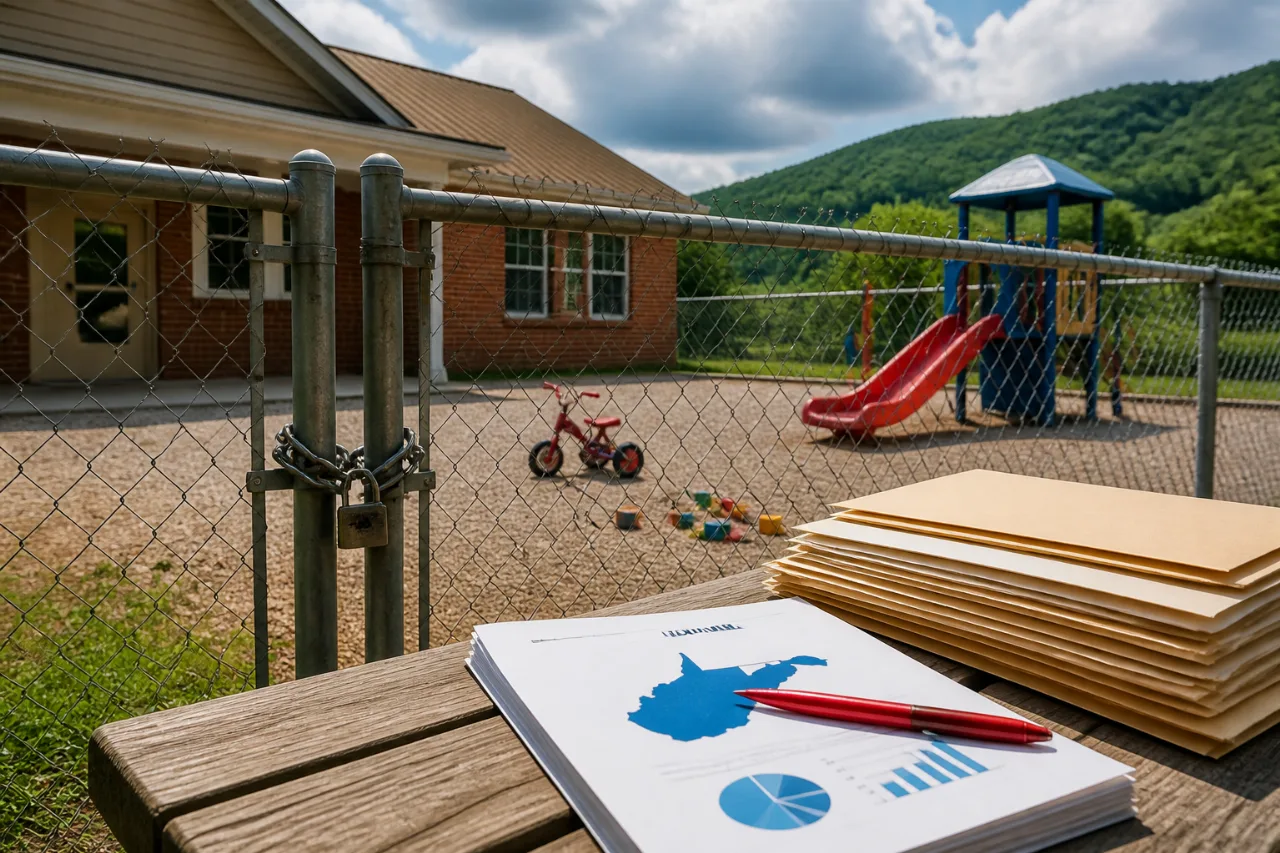
As childcare centers close and state policy choices shift funding priorities, families in West Virginia are experiencing an interlocking set of barriers that affect children’s health, educational readiness and access to specialized services. The trends, highlighted by a pediatric psychologist reflecting on decades of practice, link local closures and administrative delays with larger budget and policy decisions at the state level.
Closures and immediate impacts
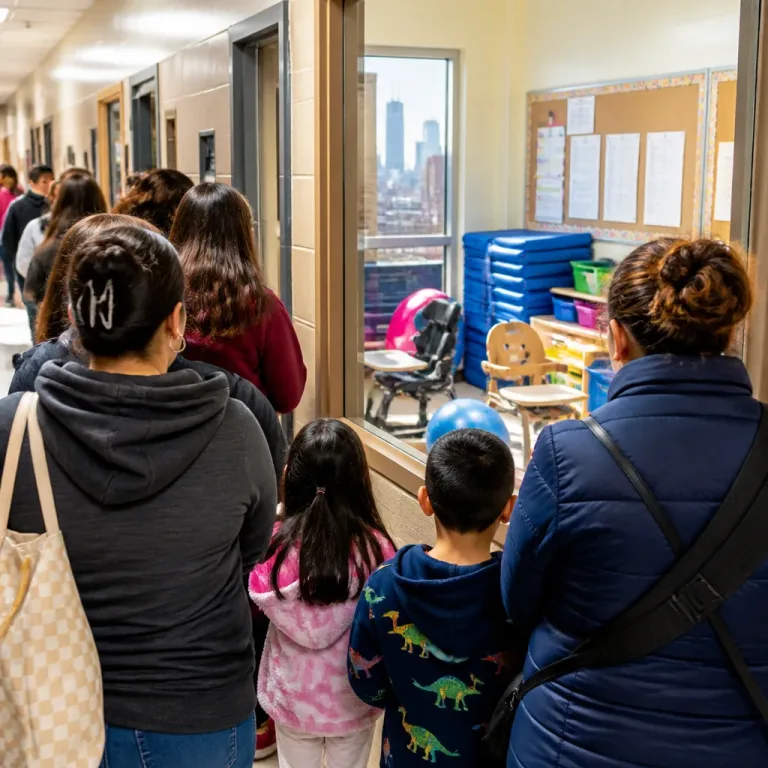
Recent reports show childcare providers in the state are shutting their doors, forcing families to scramble for care. One center in Sissonville closed, displacing 60 children and 12 staff. In Clay County, the only infant and toddler center was reported to be closing as well. Those kinds of losses reduce care capacity at precisely the ages when early childhood supports influence long-term learning and health outcomes.
"I write as one of West Virginia’s lost children: a child of poverty from North Central West Virginia who left my home among the hills to become a doctoral pediatric psychologist and graduate faculty member..."
State policy choices and funding tensions
At the same time the state has allocated substantial resources to expanding a private school choice program, the Hope Scholarship, with legislative leaders appropriating roughly $277 million and more than 26,000 students applying for full funding. Meanwhile, the legislature paid $114,000 for a RAND study of the state’s school-aid formula that recommended increases for highly qualified staff and for children with special needs — recommendations the legislature did not follow.
The combination of redirected dollars, unimplemented study findings and program growth has educators and clinicians warning that public schools and community supports are being stretched while private voucher-style funding expands. The author of the commentary, who spent nearly 30 years in pediatric practice and academic supervision, framed these developments as interconnected rather than discrete policy debates.
How these pieces fit together for families
From the vantage of children and caregivers, problems such as poverty, childcare availability, school funding, transportation obstacles, Medicaid reliance, shortages in pediatric specialty care and behavioral-health services, housing instability, environmental exposure and clothing insecurity do not occur in isolation. They combine in ways that compound risk and limit opportunity.
- Childcare closures reduce parents’ ability to work and limit early learning opportunities for young children.
- Delays in benefit application openings, like the school clothing allowance, create uncertainty for families planning for the school year.
- Shifts toward private school funding can divert resources from public systems that serve children with greater needs.
What to watch next
Parents and districts should monitor state announcements on program funding, application openings for family assistance programs and local childcare capacity. Policymakers weighing education budgets will be scrutinized for how they address staffing for special-education services and investments in community-based childcare. Advocates argue that coordinated attention to childcare, health and public-school funding is necessary to prevent further erosion of supports for the state’s most vulnerable children.
This commentary does not offer new polling or budget numbers beyond those reported but underscores a practical point for families: when multiple support systems fray at once, the cumulative effect is greater than the sum of individual problems. For households already facing economic strain, that can mean missed developmental supports, lost work time, and increased stress on caregivers and schools alike.