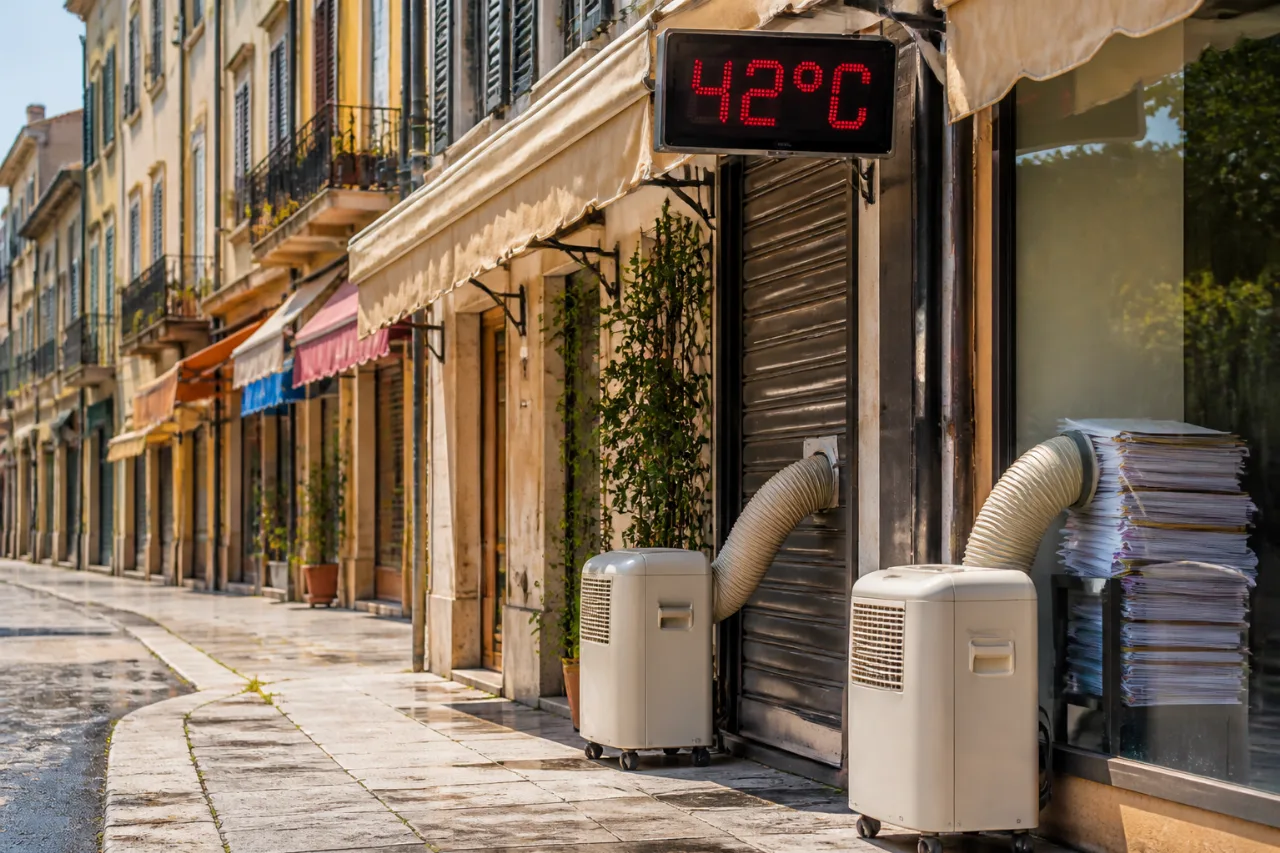
The recent record temperatures that swept across France are a reminder that extreme heat is becoming a recurring threat for businesses and the communities they serve, according to Aurélien Acquier, a professor at ESCP Business School and director of the ESCP Sustainability Institute. The episode highlights how physical climate impacts are moving from episodic disruption to an ongoing business risk that requires strategic response.
Why companies must treat heat as a business risk
Acquier, who studies corporate sustainability and transformation, says firms need to distinguish climate hazards from the ordinary commercial risks they plan for today. Unlike supply chain disruptions or demand swings, he warns that climate risks are persistent, nonstationary and can compound other vulnerabilities.
He outlines several areas of concern for firms of all sizes:
- Physical impacts: higher temperatures can affect operations, worker health and infrastructure performance.
- Insurance pressure: rising claims and changing risk profiles could strain insurance markets and increase costs for businesses.
- Strategic blind spots: low‑carbon technologies and current adaptation plans may themselves lack resilience to hotter conditions.
- SME vulnerability: smaller firms often lack resources and planning capacity to adapt effectively.
What the forthcoming report will address
Acquier and co‑author Jozef Cossey will publish a report in September under the Business Climate Adaptation Observatory. The study is positioned to examine which sectors are advancing adaptation and which are falling behind, the interaction between climate and traditional business risks, and where the biggest blind spots remain in corporate preparedness.
| Focus | Implication for businesses |
|---|---|
| Sector vulnerability | Some industries will face higher operational and supply risks as heat intensifies |
| Insurance market stress | Potential for higher premiums or reduced coverage in exposed regions |
| SME readiness | Need for targeted support and scalable adaptation measures |
Impact on households and commerce
Higher temperatures ripple through local economies: reduced worker productivity, increased cooling costs for businesses and households, and disruptions to transport and logistics. For firms, these effects translate into narrower margins and greater planning uncertainty. For households, they mean higher utility bills and potential interruptions to services and employment.
Acquier’s framing underscores that adaptation is not simply a technical exercise but a strategic one: firms must integrate climate scenarios into capital planning, supply chain design and workforce protections. He also highlights the policy dimension — if insurance markets become strained, policymakers and regulators will face decisions about market interventions and support for vulnerable firms and communities.
The Business Climate Adaptation Observatory report, due in September, aims to provide data and analysis to help executives, investors and policymakers prioritize where to build resilience. Until then, the recent heat events serve as a practical prompt for businesses to reassess readiness and for households to expect more frequent climate‑driven disruptions.