President Donald Trump said the United States has agreed to continue diplomatic talks with Iran even after a week of renewed hostilities, while declaring that the ceasefire reached between the two sides last month was over. The comments came as regional mediators worked to calm tensions that briefly pushed oil prices higher and raised new questions about the prospect of wider conflict.
From strikes at sea to an escalated posture
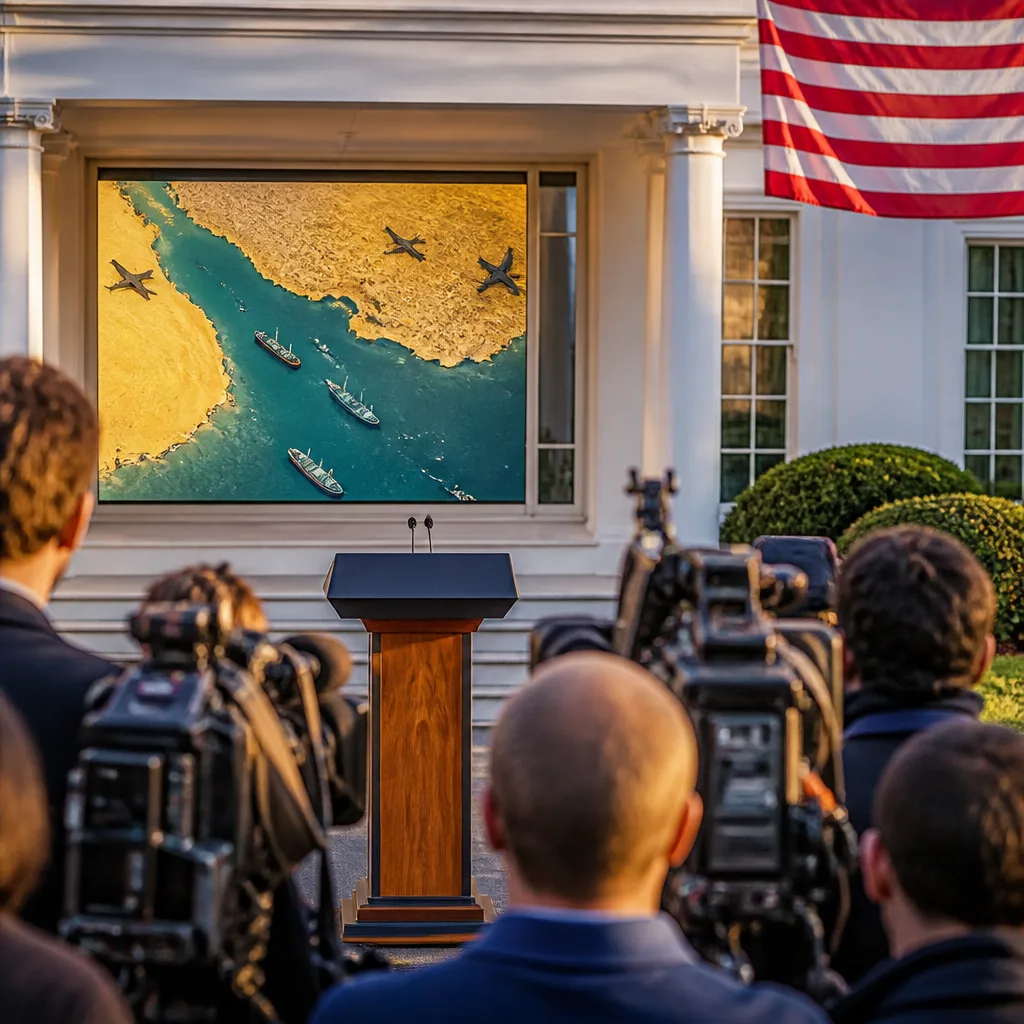
This week saw a spike in violence in the Gulf: three commercial tankers flagged to Qatar and Saudi Arabia were struck, the U.S. responded with strikes on Iranian sites, and Iran subsequently carried out strikes on U.S. military locations in Gulf states, according to Reuters reporting. Despite those exchanges, officials reported a day of relative calm on Friday as mediators — including Qatari negotiators — met with Iranian officials to seek de-escalation.
- Ceasefire status: The White House says the ceasefire is over; Iran says it did not request talks with the U.S. but agreed to host Qatari mediators.
- Maritime attacks: Three commercial tankers were hit this week in the Strait of Hormuz, prompting U.S. strikes and Iranian retaliation.
- Diplomatic effort: Qatari negotiators were in Iran to discuss de-escalation and shipping security, according to Reuters sources.
On the social platform Truth Social, the president framed the developments in stark terms and warned of a robust military response should Tehran attempt to target him directly. His post also said American forces had been placed on heightened readiness.
"The Islamic Republic of Iran has asked us to continue 'talks.' We have agreed to do so, but the United States has stated to them, in no uncertain terms, that the Cease Fire is OVER!"
Regional and domestic consequences
The flaring of hostilities in the Strait of Hormuz — a critical conduit for global oil shipments — briefly pushed oil prices upward, a development that can have immediate political repercussions in Washington as voters watch gasoline prices ahead of congressional elections in November. The White House also escalated public rhetoric, saying the United States increased pressure on Iran to halt its attacks on shipping lanes.
Iran pushed back on the American characterization of events, saying it had not asked to resume talks with Washington. State media reported Iran agreed to host a Qatari mediator but disputed the U.S. interpretation that it had sought direct negotiations.
Background to the current violence
Reuters noted the broader conflict between the U.S. and Iran has intensified since February 28, when U.S.-Israeli strikes on Iran marked a sharp escalation. This week’s exchanges — including maritime strikes and retaliatory attacks on military sites — underscored how quickly localized incidents in the Gulf can reverberate across diplomatic, economic and security spheres.
| Recent events | Reported detail |
|---|---|
| Tankers struck | Three Qatari and Saudi commercial tankers came under fire |
| U.S. response | Strikes on Iranian sites following tanker attacks |
| Iranian response | Strikes on U.S. military sites in Gulf states |
As mediators and diplomats attempt to prevent further escalation, the White House public stance — that talks can continue even as a ceasefire is declared ended — leaves open a fraught combination of diplomacy and deterrence. For U.S. policymakers and the public, the coming days will test whether back-channel mediation can translate into restrained behavior at sea and reduced risk of a larger confrontation.
The situation also highlights a domestic political calculus: energy market movements tied to shipping insecurity in the Gulf are closely watched in Washington and can influence voter sentiment months before national elections. How the administration balances the diplomatic track with a readiness to use force will be central to the story going forward.