
The rising cost of living in Colorado is now a top concern for residents across the state, according to a new bipartisan survey from the Colorado Health Foundation. The poll of 2,240 adults released Thursday found 76% of respondents say they worry they may not be able to afford living in Colorado in the future — up from 70% a year earlier.
Concrete impacts on daily life
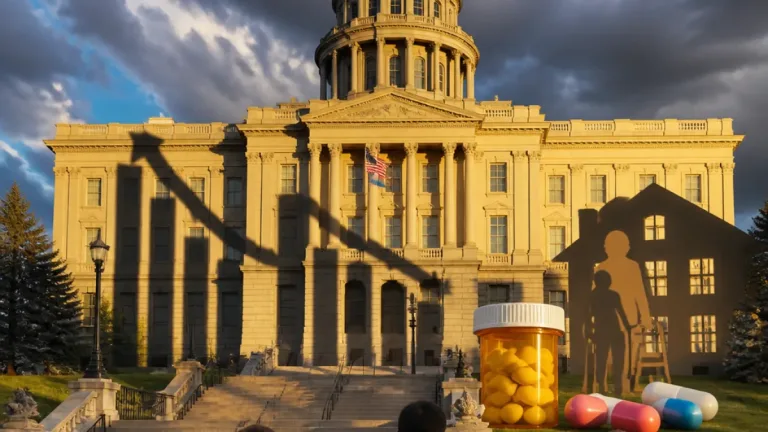
The survey documents how price pressure is affecting basic needs and health decisions for many Coloradans. Among the findings:
- 17% reported skipping meals in the past year because they couldn’t afford food.
- 48% delayed medical or dental care.
- 29% put off seeking mental health services.
- 32% worry about losing their home due to rent or mortgage costs.
- 73% cut spending on recreation and entertainment.
What respondents say about government response
When asked open-ended questions about Colorado’s biggest problems, respondents named the cost of living and housing most often, and for the second straight year rated government and politics as the top issue overall. The survey also found 72% of respondents dissatisfied with how government is addressing economic concerns.
“Affordability challenges are creating persistent uncertainty, while frustration with government and political division continues to grow,” said Katie Peshek, a spokesperson for the Colorado Health Foundation.
Republican pollster Lori Weigel, who co-led the survey, noted that the increase in severe financial hardship — including food insecurity and delayed care — suggests frustration over the cost crunch “continues to intensify.”
Why this matters now
The timing of the survey puts affordability near the center of public debate as statewide and local races approach in November. The Colorado Health Foundation frames the results as evidence that economic pressure is shaping how residents eat, seek medical care and plan their futures.
| Measure | Share of respondents |
|---|---|
| Worry they can't afford to live in Colorado | 76% |
| Skipped meals due to cost | 17% |
| Delayed medical or dental care | 48% |
| Delayed mental health care | 29% |
What to watch
As candidates and policymakers respond, the survey highlights areas likely to draw attention: housing affordability, access to health and dental care, and programs to prevent food insecurity. Lawmakers and local officials will face pressure to articulate concrete plans to ease costs and shore up basic services — and voters will be watching whether proposals address the specific tradeoffs residents report making.
This report provides a snapshot of economic strain in Colorado today; further scrutiny of regional differences and policy impacts will be central to understanding how those concerns translate into political outcomes in November.