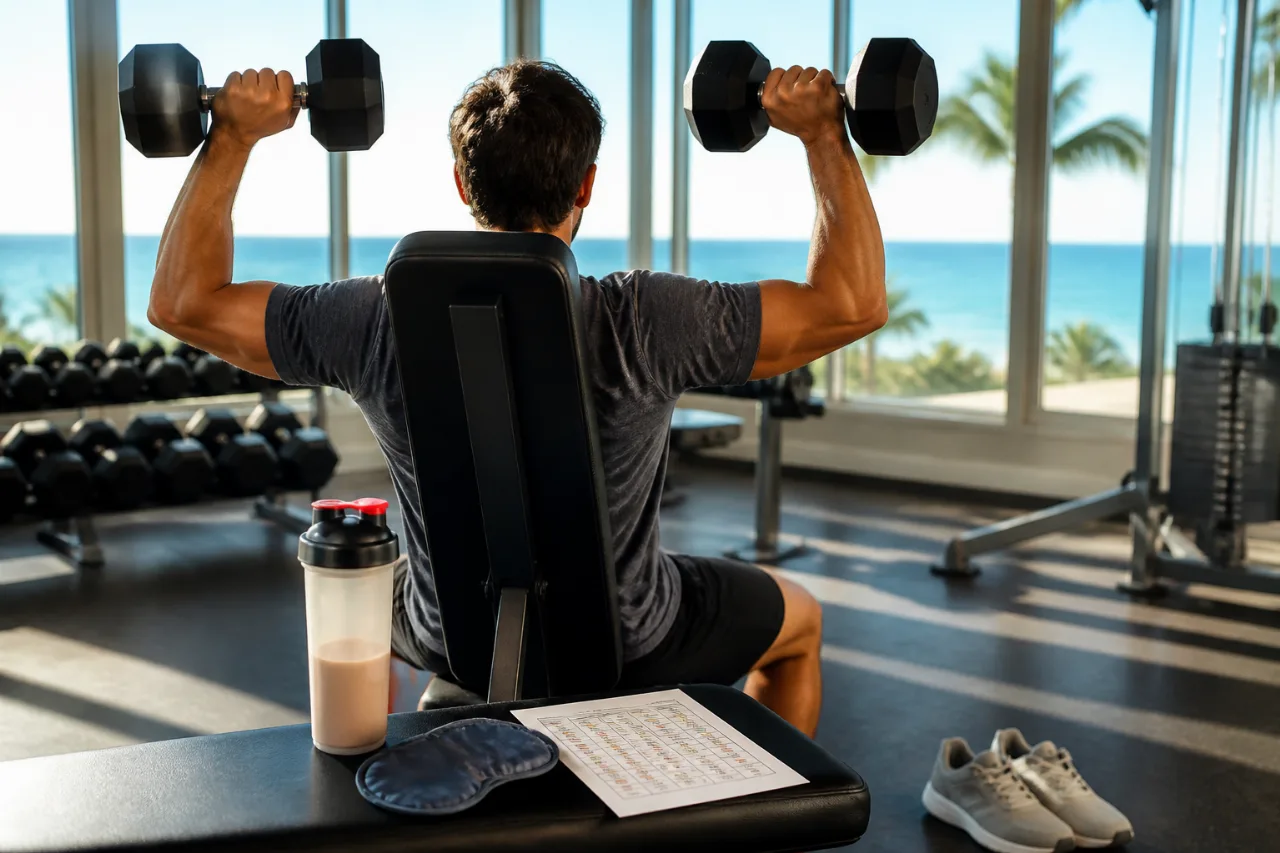
Start strength training, eat enough protein and prioritize sleep: that’s the core message gaining traction in wellness circles after an April 2026 statement from the American College of Sports Medicine. Experts say the largest gains often come simply from beginning a regular resistance routine — especially for people who have not been lifting or doing structured strength work before.
Why strength matters beyond appearance
Muscle does more than change how you look. It supports balance and mobility, helps protect bone health, and contributes to metabolism and everyday independence as people age. Hormonal shifts and lower activity levels can reduce muscle mass over time, but at virtually any age it’s possible to improve strength and body composition with consistent effort.
The recent ACSM guidance highlights a practical point for readers: you don’t need an elaborate plan or a fully equipped gym to see meaningful improvements. What counts is a routine you can stick with, that allows recovery, and that becomes gradually more challenging.
Practical steps to protect and build muscle
- Commit to consistent resistance work: Start with a schedule you can maintain week to week.
- Focus on nourishment: Get enough protein across your meals to support muscle maintenance and growth.
- Prioritize recovery: Adequate rest and sleep help muscles repair and adapt after workouts.
When people chase the scale alone, they may unintentionally lose muscle along with fat — especially if weight comes off very quickly. Instead, aim for body recomposition: reducing excess fat while protecting or slowly building muscle. That approach supports sustained energy, physical function and longer-term weight stability.
"You do not need a complicated plan, a complete gym setup, or the hardest workout," the guidance notes, underscoring that gradual, consistent progress matters most.
Monitoring progress can be as simple as noting how clothes fit, tracking strength in movements you repeat, or using body-composition measurements if available. Even if the scale doesn’t move much, improvements in strength, balance and endurance signal positive change.
For readers wondering where to begin: consider basic resistance exercises you can do at home or in a community gym, pair workouts with regular protein-rich meals, and allow days for rest and recovery. Over time, increase challenge by adding resistance, more repetitions, or varied movement patterns — always within a framework you can sustain.
Public-health implications are clear. As Americans live longer, maintaining muscle is central to preserving independence and reducing injury risk. The ACSM’s April 2026 statement reorients attention from extreme programs toward achievable habits that support healthier aging and daily life.