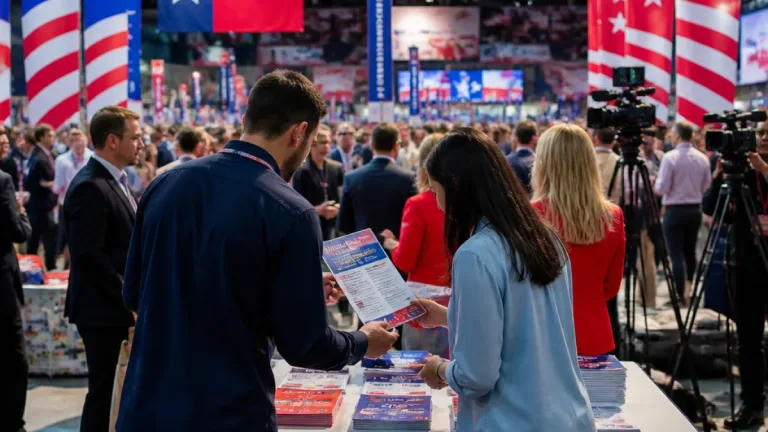
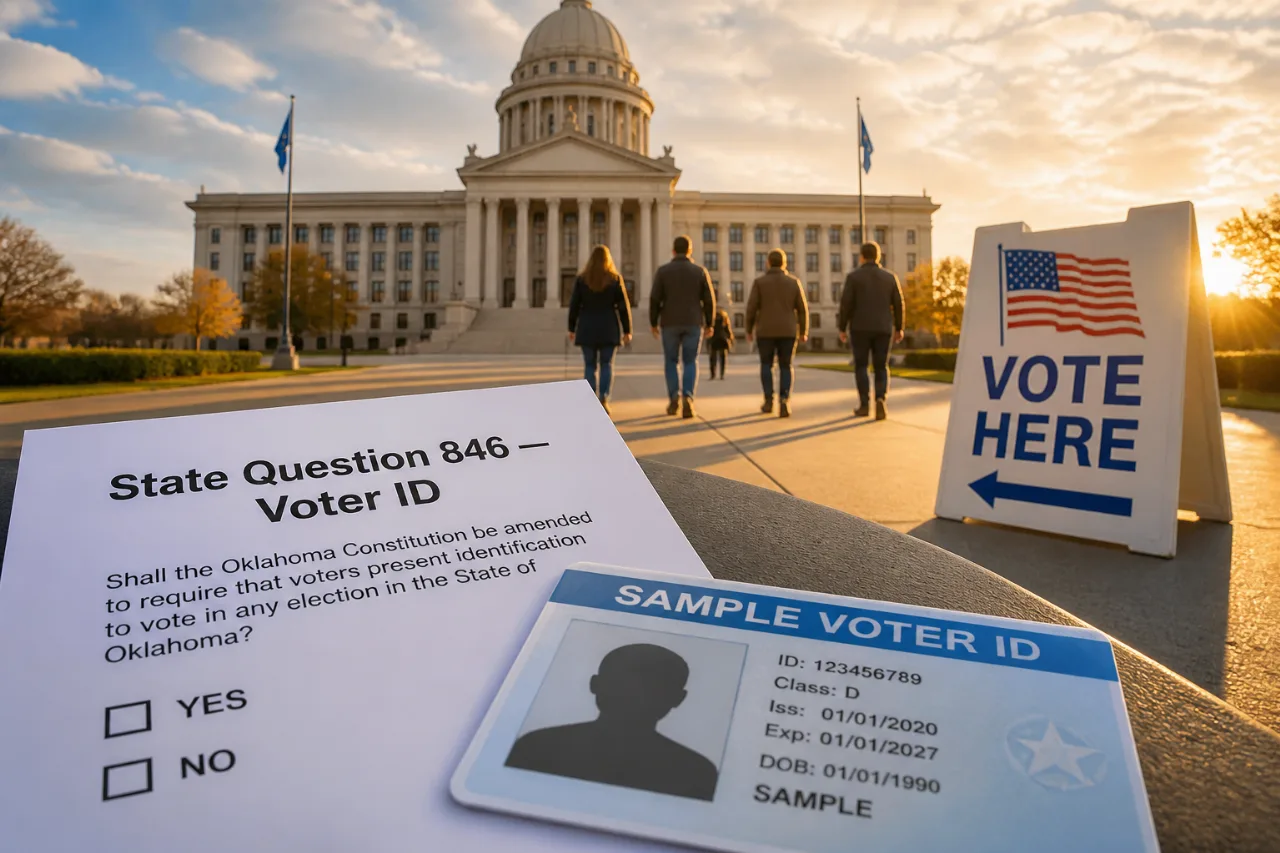
Oklahoma voters will face a straightforward — but consequential — choice on the August 25 runoff ballot: whether to place the state's voter identification requirement into the Oklahoma Constitution. Proponents argue the move fixes the rule in place; critics say the change is redundant and could give lawmakers broad discretion over what counts as acceptable ID.
What the measure would do
State Question 846 does not alter the routine voters see at precinct check-in: a poll worker reads a name, consults the voter list and asks for identification. What changes is the legal status of that requirement. Backers say a constitutional amendment would prevent a future Legislature from repealing the rule without voter approval.
"It's in concrete now," Rep. Eric Roberts, R-Oklahoma City, said while presenting SQ 846 on the House floor.
The identification requirement has been law in Oklahoma since 2011, following voter approval of a different measure in 2010. Under current practice, voters must present a government-issued photo ID or a free voter identification card provided by county election boards. If a voter’s identity cannot be verified immediately, they may cast a provisional ballot.
Context and comparisons
Oklahoma is not alone in asking voters to show ID at the polls. Nationwide, a majority of states require identification; the most recent count shows 36 states have such rules. Neighboring states with voter ID laws include Texas, Arkansas, Missouri, Kansas and Colorado.
- Existing law: Voter ID required in Oklahoma since July 2011.
- Ballot date: August 25 runoff election.
- County role: County election boards provide free voter ID cards.
| Item | Detail |
|---|---|
| Current law established | July 2011 (after 2010 vote) |
| States with voter ID | 36 |
| Oklahoma ballot | State Question 846 — Aug. 25 |
Arguments for and against
Supporters of SQ 846 say voters should have the final say on whether identification is required, putting the protection beyond the reach of ordinary legislative action. Opponents counter that the measure is unnecessary because the existing statute already governs the process, and they warn it could sow confusion or unintentionally expand legislative authority over what constitutes acceptable proof of identity.
For voters planning to the polls: if you do not already have a government-issued photo ID, county election boards can issue a free voter identification card. If your identity cannot be confirmed at the precinct, the law permits a provisional ballot so your right to vote is preserved while verification occurs afterward.
As Oklahomans weigh the measure, the decision will determine not just how people check in at the polls but who gets the final say over those rules — future legislatures or the voters themselves.